Rising Interest Rates and Economic Concerns
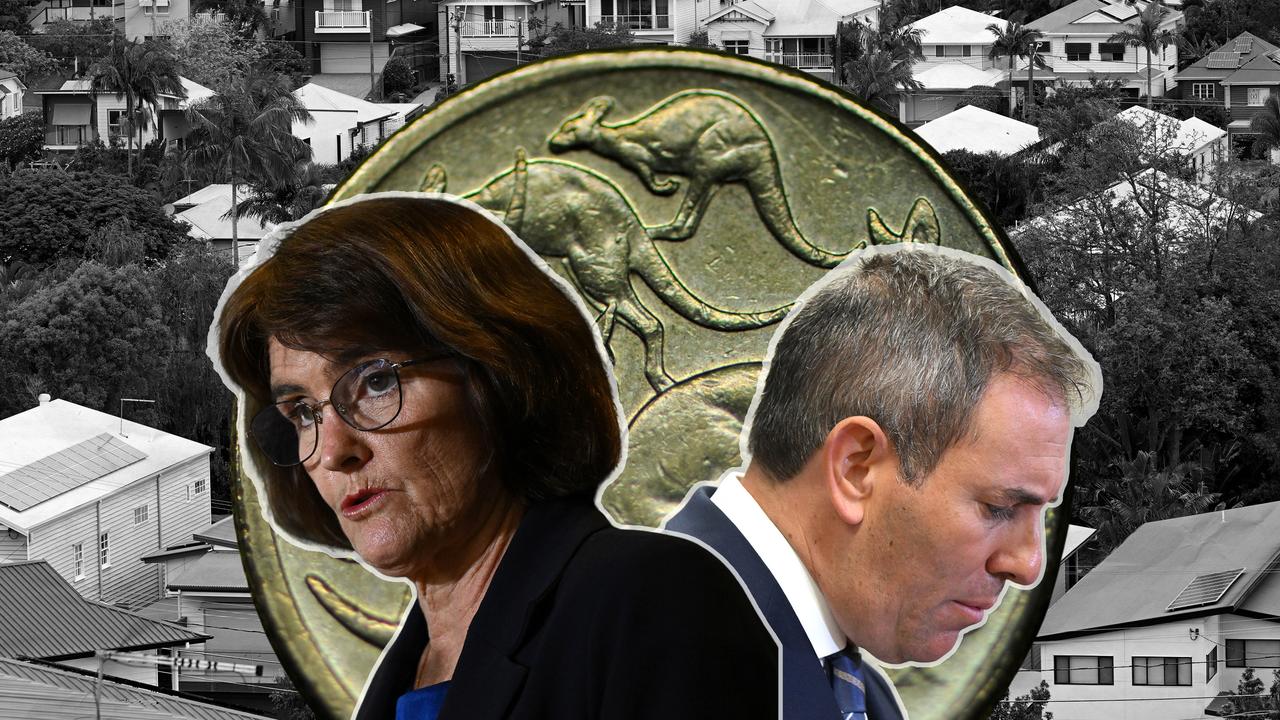
As mortgage holders face the financial impact of a third consecutive interest rate increase, economists are warning that more challenges may lie ahead following a firm decision by the Reserve Bank of Australia (RBA). The central bank’s monetary policy board made a split 8-1 decision to raise the official cash rate by 25 basis points to 4.35 per cent at the conclusion of a two-day meeting on Tuesday.
For an average borrower with a $600,000 mortgage, the three successive rate hikes have brought them back to the same financial position they were in before the RBA’s limited easing cycle in 2025. This has led to an additional cost of over $270 per month in interest repayments since February.


Treasurer Jim Chalmers highlighted the economic strain caused by the conflict in the Middle East, stating that the Australian economy was “absolutely pummelled” by the situation. He noted that the recent interest rate decision reflects this ongoing challenge.
The rate hike was anticipated by most economists and financial markets, which had already factored in a three-quarters chance of an increase. Prior to the Middle East conflict, inflation was already above target, but the closure of the Strait of Hormuz due to the war created further instability in global energy markets.
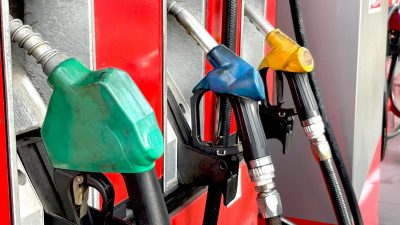
Fuel prices have risen sharply, compounding the RBA’s inflation concerns. The board’s messaging was notably hawkish, leading to expectations that further rate increases could follow.
Governor Michele Bullock emphasized that businesses are starting to pass on cost pressures through higher prices for goods and services. This trend poses a risk of even higher and more persistent inflation if not addressed.
“We have already seen expectations for inflation over the next year or so increase, and we need to ensure that this does not lead to higher inflation expectations over the longer term,” she said.
Despite this, Ms. Bullock acknowledged the potential for a pause in June, depending on how the conflict unfolds and its impact on prices and employment.

NAB chief economist Sally Auld pointed out that the 8-1 split in the board’s decision showed greater confidence compared to the previous hike in March, when four members voted to keep rates unchanged. She noted that the board is clearly prioritizing its inflation mandate over concerns about unemployment.
However, Ms. Bullock expressed concern that the Middle East conflict could lead to higher unemployment as economic activity slows down.
In its latest monetary policy statement, RBA staff revised their near-term inflation forecasts upwards while significantly lowering their growth expectations. Headline inflation rose to 4.6 per cent in the year to March, with many analysts expecting it to rise further as fuel prices continue to affect the broader economy.

Under the RBA’s base-case scenario, economic growth is expected to decline to 1.3 per cent by the end of 2026, while headline inflation is forecast to peak at 4.8 per cent in June. Dr. Auld noted that the RBA’s forecasts show a clear hawkish bias, with core inflation expected to remain above target until 2028, even with another rate hike and relatively pessimistic oil price assumptions.
As the RBA board considered its decision, tensions in the Middle East continued to escalate, driving up oil prices and increasing fears that inflation could persist for longer than expected. The bank also modeled worst-case scenarios, where prolonged conflict could push inflation to 5.2 per cent. Alternatively, a significant negative impact on economic activity could result in the unemployment rate rising to 5.1 per cent, compared to a base case of 4.7 per cent.