Rising Electric Vehicle Uptake in Western Sydney and Melbourne
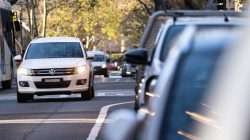
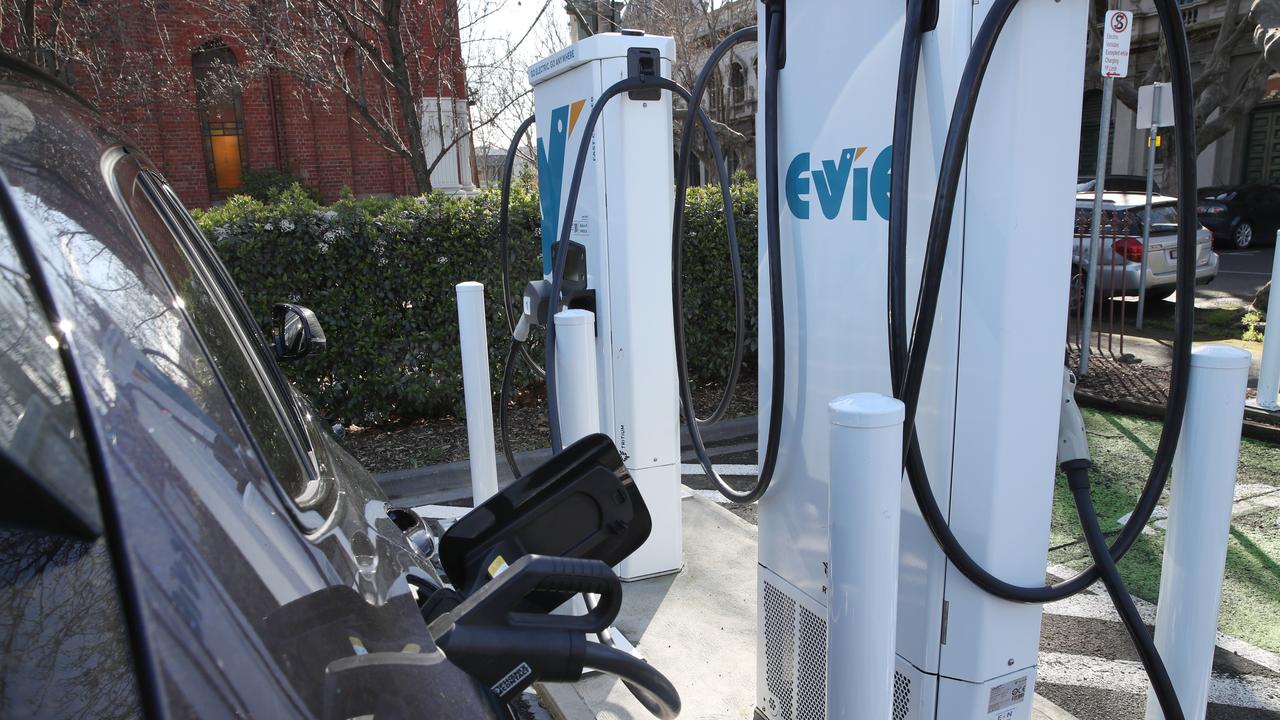
New data has shown a significant increase in electric vehicle (EV) registrations in western Sydney and Melbourne, with the McKell Institute reporting an 119 per cent annual growth since 2021 in western Sydney and a 125 per cent rise in Melbourne’s west. This trend is being driven not only by high-income earners but also by middle-income households, according to the report backed by the Electric Vehicles Council.
The report highlights that this surge in EV adoption is particularly noticeable among families living on the fringes of major cities, where lower-income motorists are seeking cost-effective alternatives to traditional fuel-powered vehicles. The findings suggest that as more Australians transition to electric vehicles, there is an opportunity to reform the current road user charging system.

A New Approach to Road User Charges
Under the proposal by the McKell Institute, the government would replace the existing fuel excise with a universal, income-linked fee. This means that individuals on lower incomes would pay less for road usage, while higher earners would contribute more based on their ability to pay. The model proposed by the institute includes four income bands, with the lowest band paying 3.74 cents per kilometre, resulting in an average annual bill of around $444. Higher income earners would pay 12.88 cents per kilometre, amounting to approximately $1,531 per year.
Once EVs make up 30 per cent of the national fleet, they would be integrated into this new system. According to McKell Institute chief executive Edward Cavanough, EVs would eventually be equipped with technology to track road usage and be taxed accordingly. “Over time, more and more cars — if our model was adopted — would have this technology and would be subject to this type of taxation,” he said. “And, over time, that means we can actually get rid of the fuel excise.”
The Impact of Fuel Excise Removal
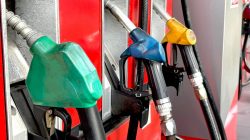
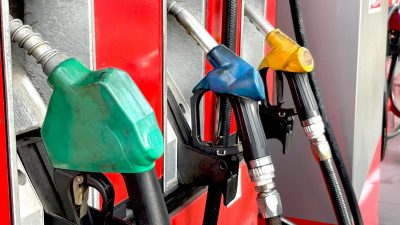
Prior to the conflict in Iran, Australia’s fuel excise was set at 52.6 cents per litre. However, the Albanese government temporarily reduced the excise in response to the fuel crisis caused by the war. Despite this, Cavanough noted that completely eliminating the excise would take years. “It will probably take a couple of decades to entirely get rid of that,” he said.
In the meantime, lower-income earners remain the most vulnerable to fluctuations in petrol prices. “We want to move away from that system and we want to move away from this sort of volatility in terms of the price that you’re paying at the bowser,” Cavanough explained. He emphasized that the proposed system would provide a more predictable tax structure for both the government and individual drivers.

Benefits for Lower-Income Earners
Under the plan, lower-income earners and concession card holders would automatically qualify for a lower rate of taxation. Different charge rates would be applied through an individual’s tax return, ensuring a fairer distribution of costs. Cavanough described the fuel excise as a “bad tax” and argued that the timing of the proposal is ideal given the ongoing concerns about fuel shocks due to the conflict in Iran.
“I think that creates a window for advocates like us to communicate a better pathway, a better long-term structure for properly taxing electric vehicle owners,” he said.
Alternative Models for Road Funding
In addition to the income-based model, the McKell Institute has also proposed a flat $600 annual charge per light vehicle starting in 2031. This measure would apply equally to petrol, diesel, hybrid, and electric vehicles and is estimated to generate around $12 billion annually.
Coordination Between States and Federal Governments
As states begin to implement their own road user charges, coordination between federal and state governments becomes essential. An EV road user charge is set to come into effect in New South Wales on July 1, 2027, or when EV uptake reaches 30 per cent. Under this plan, EV drivers would be taxed at 2.97 cents per kilometre, while petrol hybrid drivers effectively pay as little as 1.70 cents through the fuel excise.
Cavanough criticized this approach, stating that it is “not the best way to move forward.” He called for a unified national system to avoid a patchwork of different tax structures. “How to move towards a universal national system that doesn’t have a hodgepodge of tax takes,” he said.
Electric Vehicles Council chief executive Julie Delvecchio echoed these concerns, warning that the NSW tax on EVs could discourage people from switching to electric vehicles. “The families now considering the switch to electric are working households in the outer suburbs of Sydney who have looked at their petrol bill and have found a way out,” she said. “The NSW tax on EVs will shut the door on these people who are looking to cut the cost of household bills in Parramatta and Penrith by getting into an EV.”
State Government Perspective
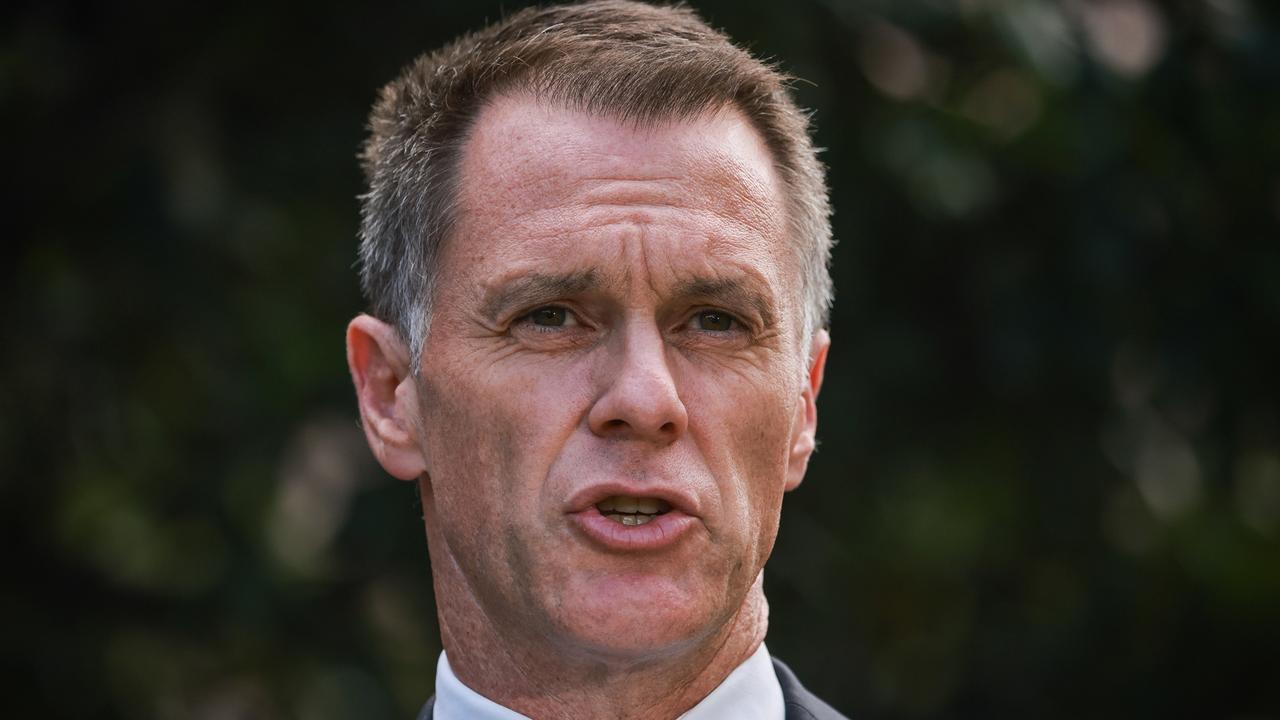
When announcing the measure, NSW Premier Chris Minns acknowledged the challenges of transitioning to a road user charge. “I realise that’s a difficult thing to say, but the truth of the matter is, you’re only going to see electric vehicle use increase, it’s not going to decrease,” he said. He highlighted the need for funding to repair and maintain roads, which have been neglected for years. “As the excise drops, that’s going to put enormous pressure on roads, and if you drive around Sydney at the moment, there’s not too many roads that don’t have giant potholes in the middle of them,” he added.