A growing sense of unease is palpable at petrol stations across Australia. Drivers are increasingly noticing a sharp upward trend in fuel prices, coupled with tightening supply, making every trip to the bowser a source of quiet anxiety. What was once a mundane necessity has evolved into a moment of concern for many. Behind the scenes, the federal government is reportedly preparing an unprecedented intervention aimed at stabilising this precarious situation.
Government Steps In To Shore Up Fuel Costs
The Albanese government has unveiled a significant plan to utilise taxpayer funds to underwrite the cost of petrol. This bold move is designed to bolster supply and alleviate the mounting pressure on fuel prices amidst an intensifying crisis. The core principle behind this initiative is straightforward: to absorb some of the financial risks incurred by fuel suppliers, thereby incentivising them to maintain consistent imports into Australia.

According to government officials, the dual objective is not only to arrest further price hikes but also to guarantee the uninterrupted flow of fuel into the country. When the certainty of supply wavers, prices are prone to sharp fluctuations. This government strategy appears to be a concerted effort to tackle both challenges concurrently, as reported.
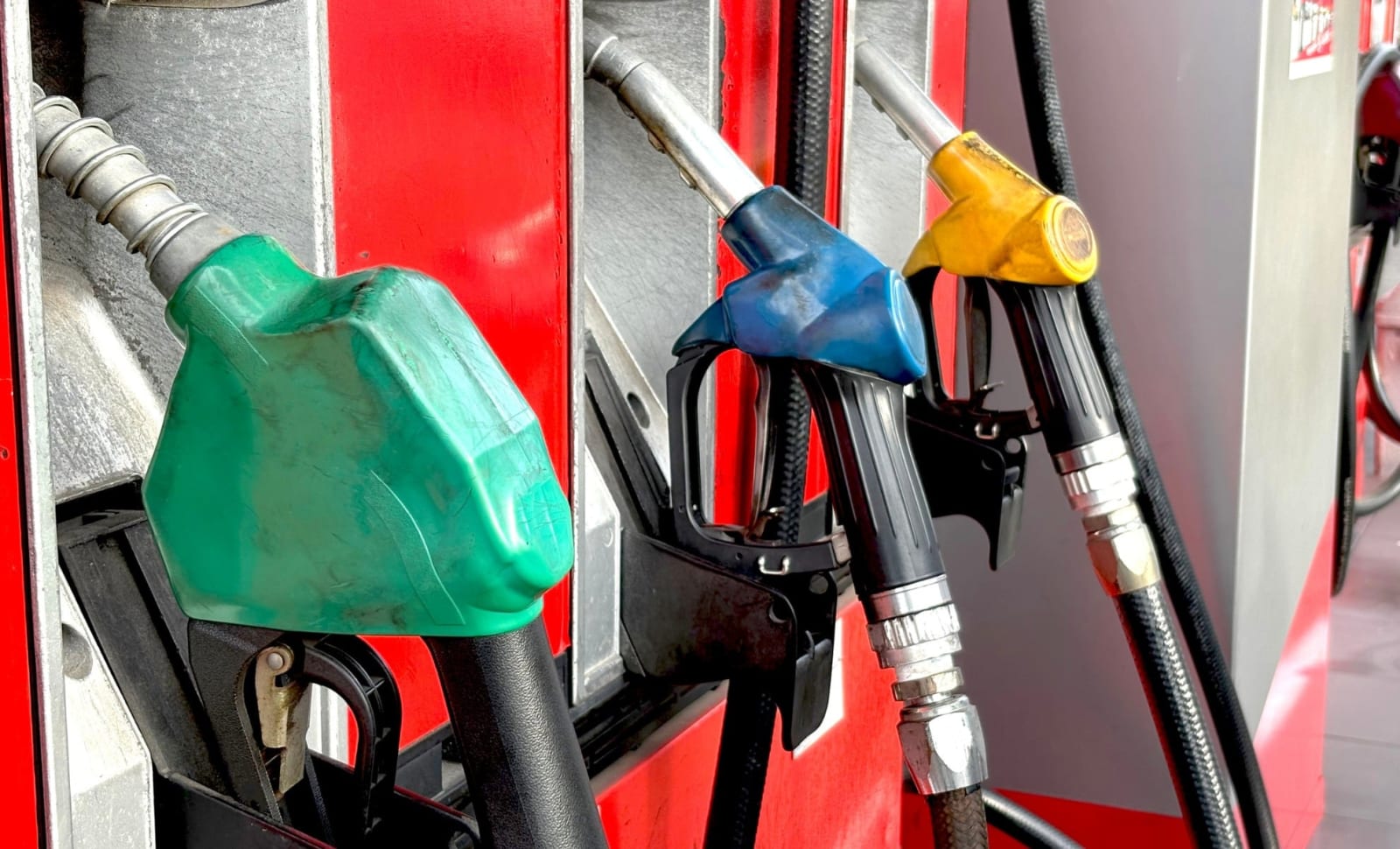
Across the nation, the strain on fuel availability is becoming increasingly evident. Numerous service stations have reported critically low stock levels or have run out of fuel altogether, a scenario that would have been almost unthinkable just a few years ago. Diesel prices have surged well beyond the $3 per litre mark, while unleaded petrol is now commonly priced around $2.60 per litre in many areas.
For households that depend on their vehicles for daily commutes, transporting children to school, or for work-related travel, these escalating costs represent a significant financial burden. The weekly ritual of filling up the tank now comes with a noticeably higher price tag, and for many families, this added expense is beginning to exert considerable pressure on already stretched household budgets.
Australia’s Fuel Supply Under Significant Pressure
Energy Minister Chris Bowen recently disclosed that Australia currently holds approximately nine days’ worth of petrol reserves. This figure has understandably raised concerns among industry analysts and observers. While this quantity is marginally better than earlier estimates, it starkly underscores the nation’s profound dependence on imported fuel.
Diesel supplies, on the other hand, appear to be in a somewhat more comfortable position, with roughly one month’s worth of stock available. Nevertheless, these figures clearly illustrate Australia’s vulnerability when global fuel markets experience instability or when international supply chains encounter disruptions.
The most recent wave of supply chain disruption is largely attributed to the escalating conflict in the Middle East, which has plunged energy markets into another period of significant volatility. The repercussions have been felt across shipping routes, insurance premiums, and global oil prices, with these changes inevitably filtering down to local petrol stations.
Political commentators have characterised the government’s predicament as a classic “whack-a-mole” scenario. It seems that just as one issue is brought under control, another emerges elsewhere within the complex system.
Ongoing Debate Surrounding Fuel Tax Reductions
While the government deliberates on underwriting fuel costs, the opposition has been advocating for a reduction in the fuel excise as a means of providing immediate relief at the pump. A cut in this tax would, at least temporarily, lower the price motorists pay.
However, some economic experts caution that the real-world impact of such a measure could be unpredictable. There exists a persistent risk that, unless the savings are rigorously passed on to consumers, fuel companies might absorb a portion of the benefit.
Furthermore, in volatile markets where oil prices are subject to rapid shifts, the positive effects of a tax cut can dissipate more quickly than anticipated. This inherent uncertainty has made policymakers hesitant to rely on a single solution.
Consequently, some analysts suggest that more targeted forms of support might prove to be more effective. For instance, tax concessions for industries heavily reliant on fuel, such as farming and transport, could offer more meaningful relief where it is most critically needed.
A National Response Begins To Materialise
The gravity of the fuel crisis has now reached a point where it necessitates urgent discussions among federal, state, and territory leaders. The issue is slated to be a central item on the agenda of an upcoming National Cabinet meeting, where governments will convene to strategise a coordinated national response.
In contrast to the early phases of the COVID-19 pandemic, where policy approaches sometimes varied between states, leaders appear keen to present a more unified front on this occasion. Fuel supply is unequivocally a national concern, and disruptions have the potential to impact every corner of the country.
For the time being, officials are endeavouring to address a multifaceted set of challenges simultaneously: ensuring the continued flow of fuel into Australia, preventing further price increases, and reassuring motorists about the ongoing availability of supplies.
It remains to be seen whether the fuel underwriting plan will ultimately succeed in stabilising the market. However, one aspect is already abundantly clear: Australia’s fuel crisis is no longer an abstract economic concern. For a vast number of drivers, its impact is a tangible reality, felt with every visit to the local petrol station.