The Impact of the EV Tax Discount in Australia
The $2 billion tax discount for electric vehicles (EVs) has had a significant impact on Australia’s carbon emissions. A government review found that the initiative, which started in late 2022, has effectively reduced two days’ worth of annual carbon emissions. While some critics argue that the program is costly, its supporters believe it has played a crucial role in jump-starting an EV market that was struggling to gain traction.
According to the review, the scheme has led to an additional 64,000 battery electric vehicle sales since its launch, accounting for about a quarter of all EV sales during that period. This has resulted in the avoidance of approximately 2.2 million tonnes of emissions from cars. This amount equates to two days’ worth of the roughly 440 million tonnes of emissions Australia produces each year, or about eight days’ worth of transport emissions.

Growth and Success of the EV Market
The EV tax discount has been adopted at a rate far beyond the government’s initial expectations, with costs now projected to reach $1.35 billion this year alone—well above the original forecast of $90 million. As the federal government seeks ways to reduce spending, it has announced a reduction in the tax discount for EVs purchased under a novated lease. Starting April next year, electric cars valued over $75,000 will be subject to some fringe benefits tax, with all EVs facing similar requirements by 2029, albeit at a discounted rate.
Climate Change Minister Chris Bowen emphasized that the government is reforming the scheme to focus more on cheaper EVs. He compared the initiative to early investments in rooftop solar, stating that while support for solar was initially seen as too expensive, it ultimately created an industry that has led to one in three homes adopting solar power. Similarly, he believes the EV tax break has accelerated the adoption of cheaper-to-run vehicles, leading to cleaner air, reduced fuel costs, and increased public charging infrastructure.
Indirect Benefits and Market Growth
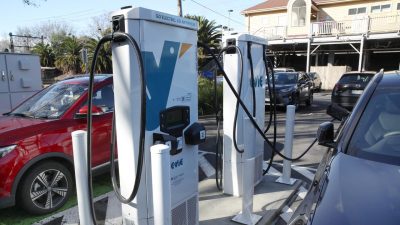
The review highlighted several indirect benefits of the EV tax discount, including the support of Australia’s EV charging network, stimulation of the broader EV market, and reduction of health impacts from air pollution. Since the introduction of the tax discount, sales of battery electric and plug-in hybrid cars have surged from 3.8% of all sales to 19% of car sales as of February.
Rohan Martin, CEO of the national car leasing peak body, noted that the scheme helped to normalize EVs. He pointed out that as more EVs appear on the roads, they become more accepted by the mainstream. “There’s always going to be some apprehension with a new product, but the more of these vehicles we see on the road, the more we see parked in our neighbours’ driveways, the more that they will become accepted by the mainstream,” he said.
Cost-Effectiveness and Future Considerations
The Productivity Commission estimated that the tax discount cost between $987 and $20,084 per tonne of emissions reduced, depending on how many EV sales could be attributed to the scheme. The commission sets the lowest-cost abatement price at about $67 per tonne. Treasury acknowledged that the electric car discount is unlikely to be the most cost-effective way of reducing emissions.
Despite this, Rohan Martin argued that the scheme remains “absolutely value for money.” He noted that while there may be cheaper methods, Australia is significantly behind in terms of EV uptake and climate targets. “For every dollar spent on the Electric Car Discount, there were at least two dollars of benefit,” he said.
Financial Implications and Policy Adjustments
The report found that the tax discount saves drivers about $3,200 to $4,700 annually for a $50,000 electric vehicle, depending on income, car use, and other factors. However, when the reduced Fringe Benefits Tax is fully applied from 2029, it could add between $12,800 to $18,800 to the cost of a four-year lease.
The review supported a gradual reduction of the tax discount, noting that a rapid withdrawal in other countries caused market shocks and suppressed sales. Martin stated that the government has struck a fair balance, saying it will continue to support and accelerate EV uptake while providing policy certainty.
Long-Term Savings and Benefits
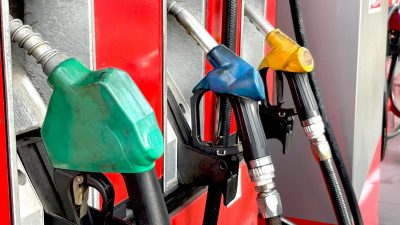
The review also found that drivers could save about $26,500 in fuel costs over the life of an EV, based on a petrol price of around $1.90 per litre. This highlights the long-term financial benefits of switching to electric vehicles, even as the government adjusts the tax discount to ensure fiscal sustainability.