Shake Shack’s Shares Plunge as Consumer Spending Shifts
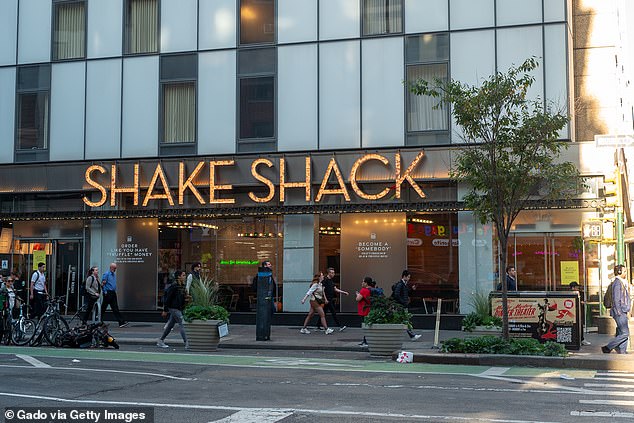
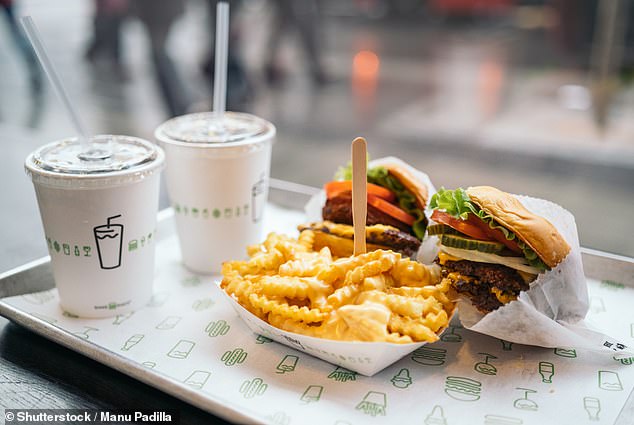
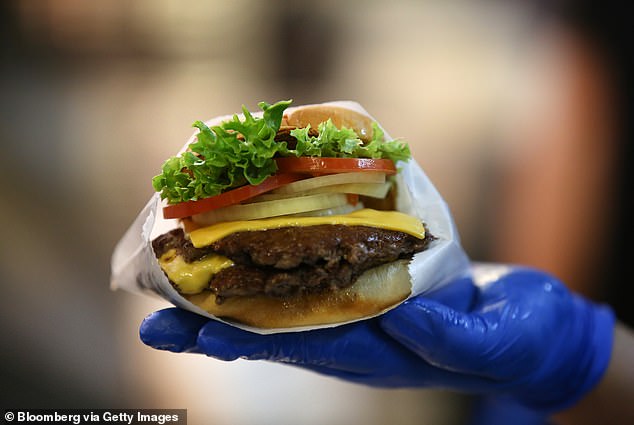
Shake Shack, the popular fast-casual chain known for its premium burgers, crinkle-cut fries, and shakes, experienced a record share price drop following its latest financial update. The decline highlighted a growing concern in the US economy: consumers are becoming more cautious about spending on high-end meals.
The company’s shares fell nearly 30 percent on Thursday after it reported a $290,000 loss for the quarter, compared to a $4.25 million profit from the previous year. Despite this, the company saw a 14.3 percent increase in revenue to $366.7 million, with same-store sales rising 4.6 percent and traffic increasing by 1.4 percent. However, the market reaction was severe, signaling deeper issues affecting the restaurant industry.

A Warning for the Restaurant Industry
The stock plunge has turned Shake Shack into a symbol of broader challenges facing the restaurant sector. According to Neil Saunders, managing director of GlobalData Retail, the US foodservice industry is under significant pressure. “Because the price of eating out is so much more expensive than it used to be, a lot of households have cut back,” he said.
This pressure affects all levels of dining, from fast food to casual and premium restaurants. However, fast food chains have been hit particularly hard, as customers expect them to offer quick and inexpensive meals. The shift in consumer behavior has made it harder for even trendy, premium brands like Shake Shack to justify their prices.
Changing Consumer Behavior
Consumer expert Ravi Sawhney noted that Americans are no longer spending casually on mid-priced meals. “They are becoming far more intentional about where their money goes,” he explained. “People are either trading down for something great value or trading up for something that feels worth it—but they are less willing to pay a premium for something ordinary.”
This trend reflects the impact of years of inflation, which has made even casual meals feel expensive. Customers are now more choosy, deal-driven, and sensitive to price. For restaurants, this means they must find a balance between maintaining profitability and meeting customer expectations.
Rising Costs and Strategic Challenges
Shake Shack faces several challenges, including rising beef prices and increased marketing costs. Beef prices rose by a low-teens percentage in the first quarter and are expected to remain elevated throughout the year. This puts pressure on restaurants to either raise prices—which could scare away diners—or absorb the costs, which could squeeze profits.
Commerce expert Bryan Gildenberg pointed out that Shake Shack also faces unique challenges due to the locations of many of its restaurants. “Many of its restaurants are in more touristy areas,” he said. “Those hotspots are being hurt domestically by rising airfares and internationally by the US being a less attractive destination for international travelers.”
Expansion and New Menu Items
Despite these challenges, Shake Shack continues to expand rapidly. In the first quarter, it opened 17 company-operated restaurants, marking its biggest first-quarter opening spree ever. The company also raised its full-year target to 60 to 65 new company-operated Shacks.
In addition to expansion, Shake Shack is betting on new menu items to attract customers. It recently introduced a BBQ Boneless Baby Back Rib Sandwich and expects a potential sales boost from World Cup traffic in some of its largest markets.