Market Volatility: Oil Surges, Gold Dips Amidst Geopolitical Tensions
The past week has seen a significant shake-up in global markets, with escalating geopolitical tensions in the Middle East driving oil prices to new heights while gold, traditionally a safe-haven asset, experiences a notable decline. This complex interplay of factors is forcing investors to re-evaluate their strategies and consider the economic ramifications of a potential new energy crisis.
Oil Prices Skyrocket as Red Sea Fears Intensify

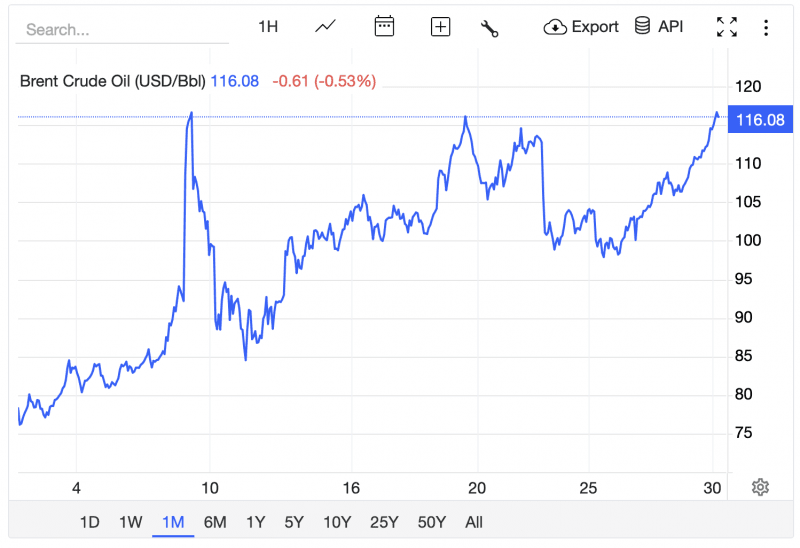
For those keeping a close eye on market movements, the surge in Brent Crude prices has been a dominant narrative. By Monday afternoon, Brent crude had soared to an astonishing US$116 per barrel. This marks a return to levels not seen since early March, a period that previously represented the peak of market shock. This remarkable climb signifies a +50% increase in the price of Brent crude over the preceding month.
The primary catalyst for this dramatic price hike appears to be renewed concerns over the safety of vital oil shipping lanes. Fresh anxieties have emerged that Yemen’s Iran-allied Houthi forces may resume rocket attacks into the Red Sea. Such an escalation would effectively place two major oil corridors under threat from military actions, a scenario the market is clearly pricing in with significant apprehension.
Gold’s Uncharacteristic Decline: A Multifaceted Downturn
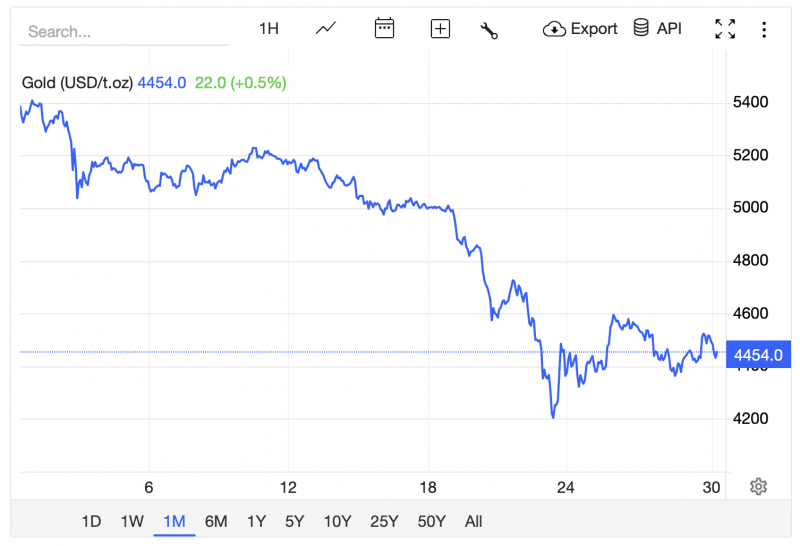
In stark contrast to the oil market’s ascent, gold has faced considerable pressure, recording a decline of -16% over the last month. The price of gold now sits around US$4,455 per ounce. This downturn is not attributed to a single cause but rather a confluence of factors.
One significant contributor is the so-called “oil meme trade,” which appears to be siphoning investor excitement away from gold. Many investors, it seems, have opted to place their funds into High-Interest Savings Accounts (HISAs) as a more immediate and perceived safer option. Furthermore, emerging reports suggest that some Middle Eastern nations are divesting their gold reserves to address liquidity concerns arising from disruptions to oil flows.
Despite these headwinds, it’s important to note that demand for gold from central banks remains robust. China’s central bank continues to be a substantial buyer, and other nations, including Kazakhstan, are also actively acquiring gold. Shaokai Fan of the World Gold Council recently commented on this trend, highlighting the re-entry of previously inactive central banks into the gold market.
However, the current geopolitical climate, particularly the ongoing conflict in the Middle East and the implications of sustained higher oil prices, has fundamentally altered the assumptions that underpinned gold’s recent bull run.
The Looming Shadow of Inflation and Economic Uncertainty
The current market dynamics paint a picture of impending inflationary pressures, both domestically and internationally. Australian consumers are already grappling with increased costs at the petrol pump, compounded by existing pressures from electricity prices which have surged by approximately 30% over the past twelve months. This was a key driver behind the Reserve Bank of Australia’s (RBA) decision to implement its first interest rate hike of the year.
The escalating conflict in the Middle East introduces a fresh layer of economic uncertainty, potentially triggering an energy crisis that could rival or even surpass the disruptions of the 1970s oil crisis. The ramifications are far-reaching, with likely scenarios including fuel rationing, increased fertiliser costs leading to higher food prices, and broader supply chain disruptions.
Outlook for the ASX200 and Investment Considerations
In this environment of heightened geopolitical risk and economic instability, the Australian Securities Exchange 200 (ASX200) is expected to remain subdued. A clear resolution or significant de-escalation of the Middle East conflict appears distant, suggesting that the ASX200 may struggle to break through the 9,000-point mark for the foreseeable future.
For investors, this period of uncertainty may present a compelling case for a more conservative approach. Considering a high-interest savings account and revisiting the broader market once the economic landscape becomes clearer and more predictable could be a prudent strategy. The current market conditions demand careful consideration and a thorough understanding of the risks involved.
The information provided in this article is for general informational purposes only and does not constitute financial advice. Investors are strongly encouraged to conduct their own thorough research and consult with a qualified financial advisor before making any investment decisions.