Chemical Smell Forces Washington DC Airports into Ground Stops
Travellers heading in and out of the nation’s capital faced significant disruptions on Friday evening as all three major Washington DC-area airports were temporarily grounded due to a “strong chemical smell” at a critical air traffic control facility. The Federal Aviation Administration (FAA) issued ground stops for Ronald Reagan Washington National Airport (DCA), Washington Dulles International Airport (IAD), and Baltimore-Washington International Thurgood Marshall Airport (BWI), bringing flight operations to a standstill.
The disruption, attributed to “environmental” reasons, began shortly after 6:30 PM. The cause of the unsettling odour was later identified as an overheated battery within an IT cabinet at the Potomac TRACON, a facility responsible for managing air traffic control services for Baltimore and other local airports. Emergency crews were dispatched to the scene around 6:50 PM and confirmed that no personnel at the facility sustained any injuries.

This incident marked the second ground stop in as many weeks linked to the Potomac TRACON, highlighting ongoing vulnerabilities in the region’s air traffic management infrastructure. The previous disruption, which lasted approximately an hour, was also caused by a strong odour, this time traced to an overheated circuit board. Transportation Secretary Sean Duffy confirmed that the faulty circuit board was replaced, and airport operations resumed once firefighters deemed the area safe for air traffic controllers.
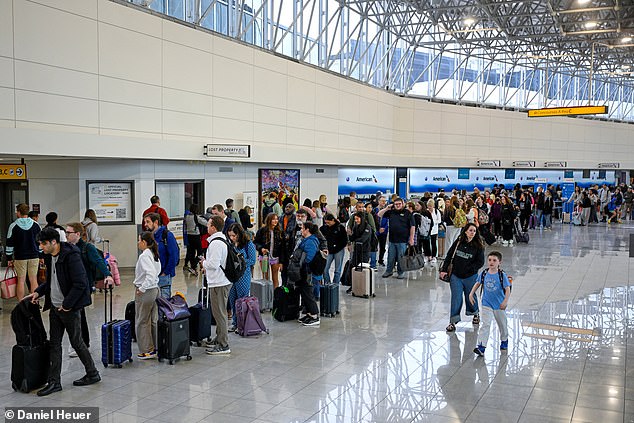
The impact of Friday’s ground stops was far-reaching. Flights bound for the DC area were diverted to airports as far away as Cleveland, Ohio, and Raleigh, North Carolina, according to reports from NBC Washington. Data from FlightAware indicated that approximately 25 percent of flights at BWI and DCA experienced delays. Meanwhile, Dulles International Airport saw about 11 percent of its flights delayed.
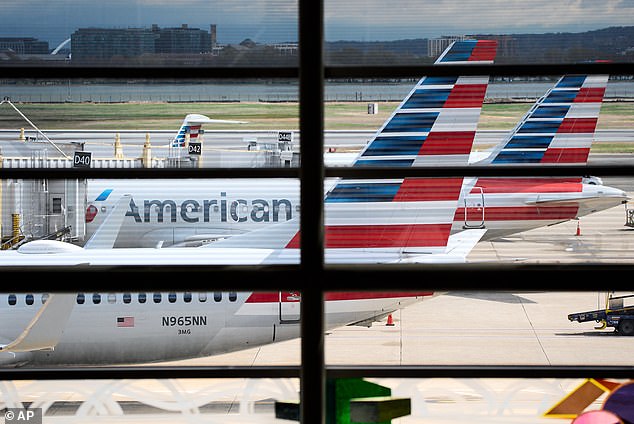
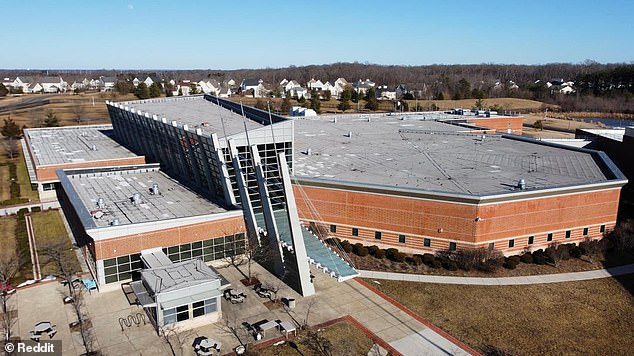
While the ground stops affecting DCA, IAD, and BWI were lifted around 7:30 PM, the ripple effects continued. Ronald Reagan Washington National Airport, in particular, remained under a ground delay until midnight, as reported by DCNewsNow. BWI also cautioned that “some residual flight delays” could still be expected, even after the FAA’s ground stop was rescinded.
FAA spokeswoman Kristen Alsop assured the public that controllers were returning to their posts and that normal flight operations would be re-established. In anticipation of the disruptions, New York City’s Emergency Management agency had already alerted travellers to potential significant delays for flights heading to Washington on Friday night. They advised travellers to “expect possible ground holds, departure delays, and cancellations, and check directly with your airline before heading to the airport.”
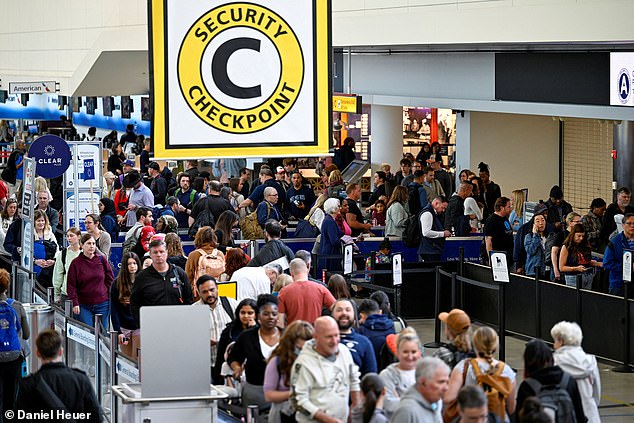
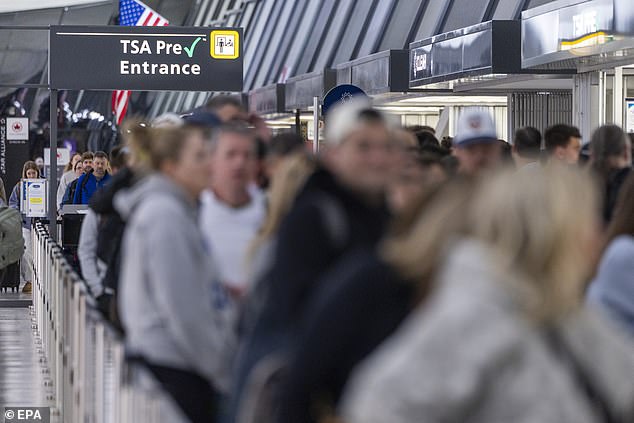
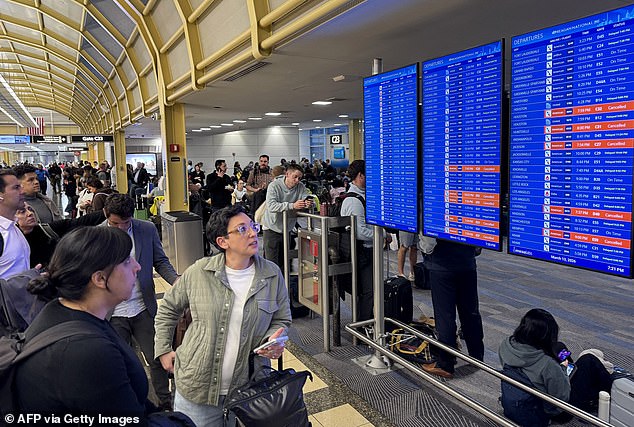
The recent spate of travel chaos impacting DC-area airports has been exacerbated by the ongoing partial government shutdown. Specifically, TSA employees had been working without pay since February 14th, a situation that has led to a significant increase in sick-outs and a decline in staffing levels. The Department of Homeland Security reported that nearly 500 TSA officers, out of almost 50,000 nationwide, had resigned since the shutdown commenced. This staffing shortage has contributed to widespread delays across the US, with some airports experiencing call-out rates exceeding 40 percent.
However, there was a glimmer of hope for TSA employees and travellers alike. On Friday, President Donald Trump signed an order that would ensure TSA employees receive their overdue pay as early as Monday. This development came as the partial government shutdown was set to reach its 44th day. The resolution of the pay dispute is expected to alleviate some of the staffing pressures and, consequently, reduce the extensive delays that have plagued air travel in recent weeks.