A Community-Driven Solution to a Longstanding Problem
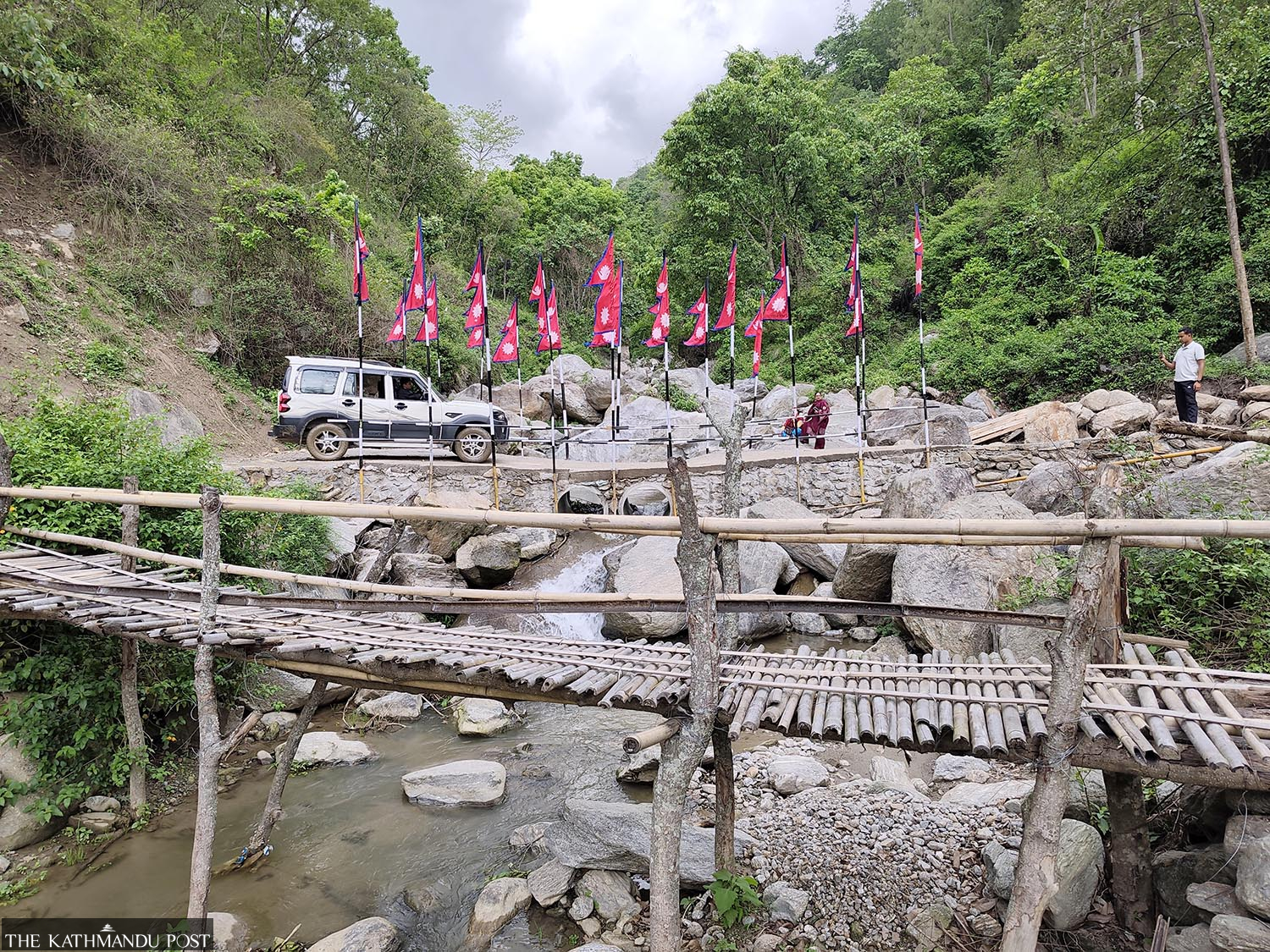
In the rural areas of Dhankuta, where infrastructure development often lags behind the needs of the local population, a remarkable initiative has emerged. The villagers of Tallo Bhirgaun and Malbase have successfully completed a 22-metre-long concrete culvert over the Nibuwa stream. This achievement marks a significant step forward in addressing the challenges posed by the monsoon season, which transforms the narrow watercourse into a dangerous obstacle.
The project, which took 22 days of intense labor, replaced a fragile wooden footbridge that had long been a source of danger during heavy rains. The new culvert connects several villages—Tirdang Lala, Madhuganga, Ramite, and Chulachuli—to the district headquarters, ensuring safer passage for trade and administrative activities.

Collective Effort and Community Involvement
The construction of the culvert was a true community effort. From elderly residents crushing stones to young people hauling sand, every available resource was mobilized. Those who could not physically participate contributed cash to provide meals and snacks for the laborers. This collective spirit underscores the deep sense of responsibility the community feels towards its members.
The initiative was led by Dron Prasad Guragain, a 65-year-old man, and Dambar Rana, a 42-year-old local leader, with technical support from Bishnu Poddar, a sub-engineer at Dhankuta Municipality. The 8-foot-wide culvert now serves as a symbol of resilience and determination, ending an era where crossing the stream meant risking one’s life.
A History of Self-Reliance
This is not the first time the community has taken infrastructure into its own hands. In 2001, local leaders including Dillishwar Darnal, Bhakta Bahadur Bhandari, Dron Prasad Guragain, Dambar Guragain, and Makar Bahadur Rai led a two-year voluntary labor campaign to open a road track connecting Bihibarihat, Malbase, Nibuwakhola, and Madhuganga. Despite being the primary route to the district’s main market, the track remained incomplete without a permanent crossing.
Local philanthropist Drona Prasad Guragain, currently residing in the Kopche area, provided financial support for the materials used in the culvert’s construction. He personally funded the hume pipes, cement, iron rods, and transport costs. “I wanted to help soothe the hardships of my fellow villagers,” he said, choosing not to disclose the exact sum spent. “My only satisfaction is seeing the villagers walk without fear,” he added.
Poddar provided technical support for the project, which was estimated to cost Rs2.1 million if executed through traditional government tenders. Instead, it was completed through the sweat of over 600 volunteers who worked in shifts.
Improved Connectivity and Future Prospects
With the culvert connecting Dhade and Malbase, motorcycles and other vehicles have started moving smoothly along the route. “Earlier, crossing the stream during the monsoon was extremely difficult. After the culvert was built, tempos no longer stop on this side, and even other vehicles have started reaching the village,” said Biwarani Rai, a local resident.
This year, a 7.1-kilometre stretch of road from Hile to the upper Bhirgau area is being blacktopped with support from the Asian Development Bank (ADB). In 2003, local residents led by Chandralal Tamang spent 96 days opening the track through voluntary labor.
Yubaraj Darnal of Ganeshtar in Bhirgaun mentioned that a preliminary survey for the construction of the Bihibarehat-Malbase-Bhirgau-Ramite-Madhuganga road was conducted in 2009 with ADB support, beginning from the upper Bhirgau area. “After work started in the upper region, those of us in the lower settlements were left waiting,” he said.
Following assurances from the ADB, Dhankuta Municipality had planned to complete a 19-kilometre ring road linking several key areas. However, the work failed to progress as planned, leaving residents of the lower belt facing continued hardship.
“Because of the difficult geography, the municipality’s limited investment was insufficient, so we were waiting for a larger project. But donor support did not materialise as expected under the municipality’s plans and proposals,” said Sitaram Gautam, chief of the municipality’s administration, planning and monitoring section.