Addressing Period Poverty Through Education and Empowerment
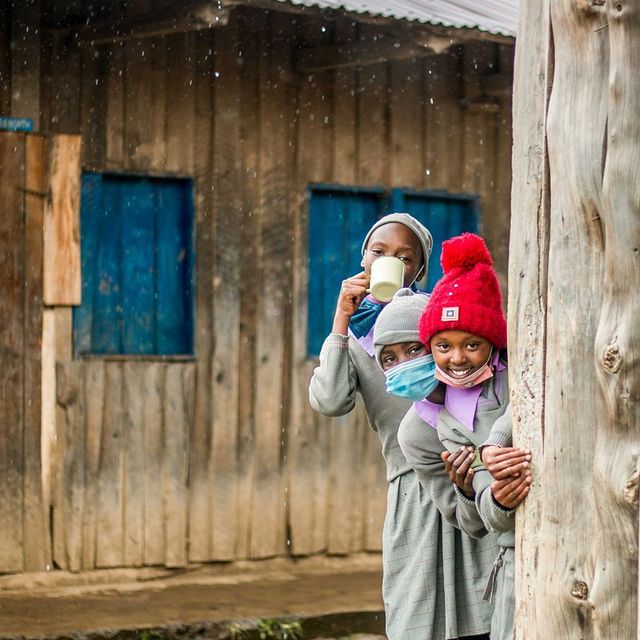
More than 200 schoolgirls, community women, and teachers in Kayunga District have recently participated in a training program designed to equip them with the skills needed to create reusable sanitary pads. This initiative is part of a broader effort to tackle period poverty and improve school attendance among girls in the region.
The training was held at Kayunga Girls School and was organized by the Rotary Club of Kitante in collaboration with the Muhimbo Care Foundation and the Precious Kids Foundation. The project received financial support from the Chandler Horizon Rotary Club in the United States.

Participants came from various educational institutions, including Lion of Judah High School, Bemco Nakwero, Bugerere High School, and Connect Africa Vocational Institute. The program aimed to provide both practical and educational components, focusing on menstrual health education, breaking the stigma surrounding menstruation, and hands-on training in producing reusable sanitary pads.
Notably, boys were also included in the sessions to promote awareness and encourage their support in addressing menstrual health issues. This inclusive approach highlights the importance of involving the entire community in efforts to change perceptions and foster a more supportive environment for girls.
Maximilia Byenkya, President of the Rotary Club of Kitante, emphasized the project’s goal of keeping girls in school while offering them economic opportunities. She explained that reusable pads can be washed and used for up to two years, which helps ensure that girls do not miss school due to lack of access to sanitary products. Additionally, women can produce and sell these pads, creating a source of income for their families.
Byenkya also called on the government to make menstrual products more affordable and to support local production initiatives. She stressed the need for policy changes that address the root causes of period poverty and ensure long-term solutions for girls and women.
Rebecca Epidu Nsubuga, Program Director at the Precious Kids Foundation, highlighted the dual benefits of the initiative—improving hygiene and providing income opportunities for families. She noted that the ability to manage menstruation effectively can significantly impact a girl’s educational journey and overall well-being.
Komuhimbo Mugisa, founder of the Muhimbo Care Foundation, linked the lack of access to menstrual products to serious social issues such as school dropouts, early pregnancies, and early marriages. He emphasized the need for comprehensive programs that address these challenges and empower girls to stay in school and pursue their futures.
David Birungi and Juma Bukoma Moya of the Rotary Club and Rotaract Club of Kitante further underscored the importance of involving boys in the conversation around menstrual health. They noted that breaking societal stigma is crucial for creating a more inclusive and supportive environment for all members of the community.
This initiative is part of ongoing efforts by civil society and community organizations to ensure that no girl is left behind due to period poverty. By equipping women and girls with practical skills, the program aims to improve their health, increase their economic independence, and contribute to the overall development of their communities.