
Allegations Surface of Russian Complicity in Iran’s Attacks on US Bases
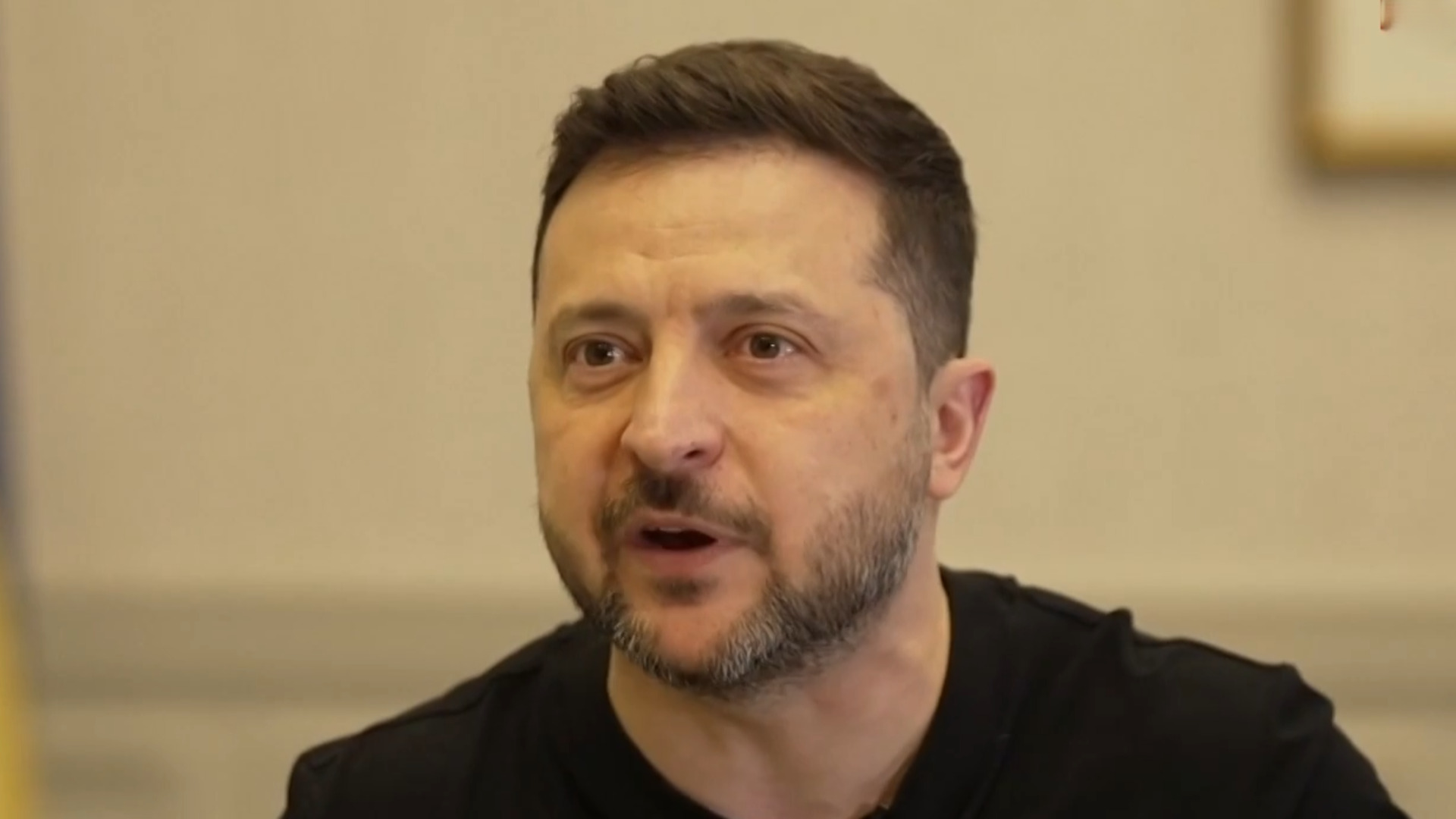
Kyiv, Ukraine – Ukrainian President Volodymyr Zelensky has presented what he claims is compelling intelligence suggesting Russia’s involvement in Iran’s missile strikes targeting United States military installations. In a recent interview with NBC News, President Zelensky revealed details of an intelligence briefing that he asserts provides concrete evidence of this alleged collaboration.
According to the briefing, Russian forces reportedly captured satellite imagery of a United States airbase located in Saudi Arabia on three separate occasions prior to it becoming the target of Iranian missile attacks. This alleged surveillance activity, Zelensky contends, points to a coordinated effort between Moscow and Tehran, designed to facilitate or at least inform Iranian military actions against American interests.

Ukraine’s President Volodymyr Zelensky has stated he possesses intelligence indicating Russia’s support for Iran’s attacks on US bases.
The intelligence shared by President Zelensky purportedly includes these satellite images, which were allegedly taken by Russia. The timing of these images, occurring before the strikes, is central to his claim that Russia provided Iran with critical reconnaissance data. This data, he suggests, would have been invaluable for planning and executing successful missile strikes against the US airbase.
Examining the Allegations: A Deeper Dive into the Intelligence
The implications of these allegations are significant, potentially escalating geopolitical tensions and reshaping the understanding of the current global security landscape. If proven true, it would suggest a deepening strategic alliance between Russia and Iran, with implications extending far beyond regional conflicts.
President Zelensky’s office has indicated that the intelligence was gathered through Ukraine’s own intelligence-gathering capabilities. While specific details about the methodology used to obtain this information have not been fully disclosed, the presentation of such claims by a head of state warrants serious attention and investigation by international bodies and intelligence agencies.
The alleged Russian surveillance of the Saudi Arabian airbase raises several critical questions:
- Motivations: What would be Russia’s strategic or tactical benefit in aiding Iran’s attacks on US bases?
- Nature of Aid: Was the alleged Russian assistance limited to intelligence gathering, or did it extend to other forms of support, such as weapons technology or logistical planning?
- Scope of Collaboration: Is this an isolated incident, or part of a broader pattern of cooperation between Russia and Iran in destabilizing regions or targeting Western interests?
- Verification: How can the authenticity and accuracy of the presented intelligence be independently verified?
Wider Geopolitical Context and Potential Repercussions
These accusations emerge at a time of heightened global instability, with ongoing conflicts and shifting alliances. The war in Ukraine continues to dominate headlines, and Russia’s relationship with Iran has been a subject of considerable scrutiny, particularly concerning the supply of drones and other military equipment from Iran to Russia.
If Russia is indeed providing intelligence for Iranian attacks on US bases, it would represent a significant escalation of their involvement in proxy conflicts and a direct challenge to US security interests in the Middle East. Such actions could lead to:
- Increased Retaliation: The United States might feel compelled to respond with stronger retaliatory measures against both Iran and, potentially, Russia.
- Shifting Alliances: The alleged collaboration could further solidify the anti-Western bloc, encouraging other nations seeking to counter US influence to align more closely with Russia and Iran.
- Impact on Regional Stability: The Middle East is already a volatile region. The involvement of major global powers in direct or indirect attacks on military assets could trigger wider conflicts.
- Diplomatic Fallout: International diplomatic efforts to de-escalate existing conflicts and prevent new ones could be severely hampered by such revelations.
President Zelensky’s decision to publicly share this intelligence underscores the gravity with which Ukraine views this alleged Russian-Iranian nexus. It also serves as a stark warning to the international community about the evolving nature of global threats and the need for robust intelligence sharing and coordinated responses. The coming days and weeks will likely see intense diplomatic activity and further scrutiny of the intelligence presented by Ukraine. The potential ramifications for international relations and security are profound, and the world will be watching closely for further developments and independent verification of these serious allegations.