
Secret Military Operation: UK Readies for Mass Evacuation Amidst Middle East Tensions
Senior military sources have revealed that a clandestine operation is underway to extract thousands of British nationals from the Middle East, should the United States initiate a ground invasion in the region. This contingency plan, dubbed the “National Evacuation Operation,” is reportedly in its advanced stages, with crucial assets already being deployed.
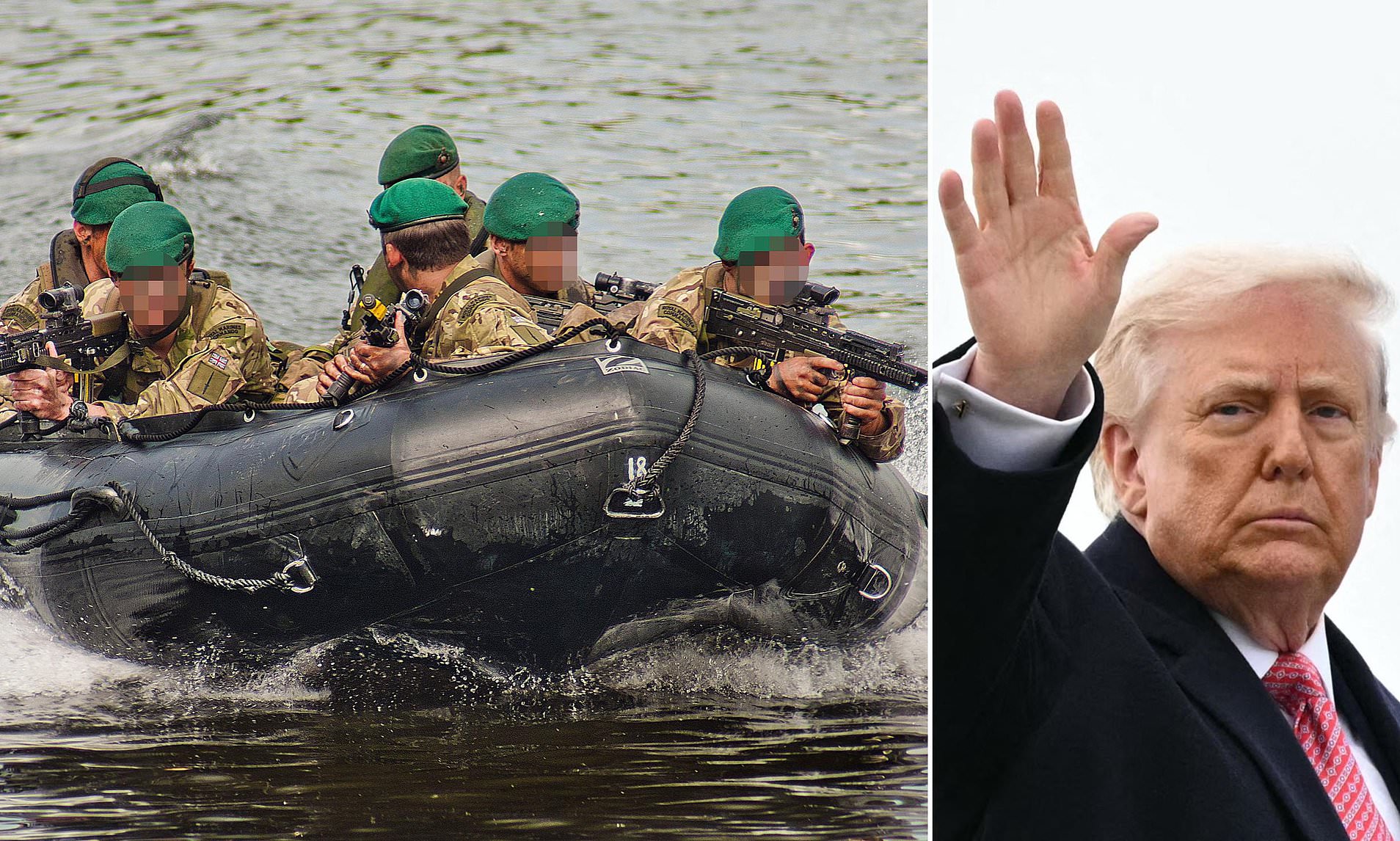
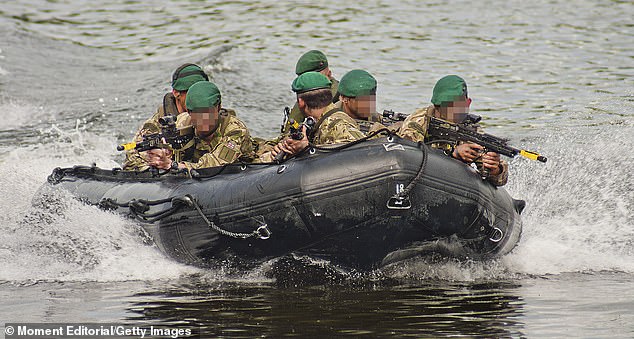
The Mail on Sunday has been informed that commando raiding crafts have been discreetly positioned in the eastern Mediterranean. These vessels are on standby to swiftly collect Britons from beaches and ports in potential crisis zones. Furthermore, Royal Marines are reportedly on high alert, ready to be flown into the affected areas to execute the complex extraction missions.

The primary focus of these potential operations is understood to be the Lebanese capital, Beirut. Reports suggest that as many as 4,500 UK nationals remain in the country, placing them at significant risk should conflict escalate. However, the military is also maintaining a watchful eye on the Red Sea port of Aqaba in Jordan, where an estimated 6,000 Britons are currently residing. Contingency plans are in place to conduct similar rescue operations in this strategically important location.
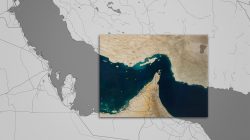
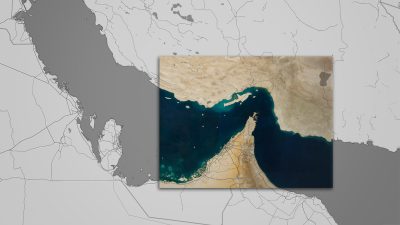
The military sources have emphasised that the National Evacuation Operation would only be triggered if there is a clear indication that the US is poised to launch a ground intervention. The stated objective of such an intervention would be to seize control of the Strait of Hormuz, a vital shipping lane currently under the influence of Iran.
Crucially, the success of any evacuation hinges on the establishment of a “safe corridor.” Military officials have made it clear that no rescue mission could proceed if the designated area for extraction is actively under attack. This means that British forces would refrain from attempting to evacuate citizens from Beirut, for instance, if Israeli forces were engaged in operations against Iranian-backed Hezbollah.

The groundwork for this extensive evacuation effort appears to have begun with the deployment of the Royal Fleet Auxiliary (RFA) Lyme Bay to the eastern Mediterranean. This vessel is a landing ship dock, equipped to transport troops, vehicles, and supplies ashore using its landing craft or powered rafts. It also boasts a flight deck, enabling helicopter operations, which would be crucial for swift insertions and extractions.
Adding to the operational readiness, landing craft and offshore raiding boats belonging to the Royal Marines have reportedly been dispatched to the region aboard the commercial cargo ship MV Hurst Point. Amphibious warfare teams from the 47 Commando (Raiding Group), along with a small detachment of Royal Marines from 40 Commando, are earmarked to fly out as the situation dictates.
The Royal Air Force (RAF) is also playing a vital role. Chinook helicopters, which were pre-positioned in Cyprus earlier this month, are expected to be instrumental in airlifting evacuees. These would complement the efforts of landing craft and small raiding boats tasked with rescuing individuals directly from shorelines.
Strategic Assets and Support
Providing crucial air defence for the RFA Lyme Bay will be the Royal Navy’s HMS Dragon, which has recently arrived in the theatre of operations. Those successfully rescued will then be ferried to Cyprus, where the UK maintains two significant military bases. These bases will serve as vital staging points for onward repatriation.
The skies over Cyprus will also be under the watchful eye of RAF F-35 and Typhoon fighter aircraft. These advanced platforms, along with RAF Protector drones, will offer “overwatch” capabilities, monitoring the Lebanese coastline for any potential threats, including attacks from Hezbollah.
A senior military source articulated the readiness of the UK’s armed forces: “The UK has positioned its assets and they now await direction from the Government to give the green light. While the Armed Forces can go into Lebanon or Jordan when the bombs are flying, we cannot risk evacuees getting injured. So caution is the key word.”
Since the commencement of the current conflict, over 139,000 British nationals have successfully returned to the UK from the broader region, with some utilising government charter flights.
However, in a statement on Saturday, a Government spokesperson stated that the claims of a new, specific evacuation plan were not recognised. “We do not comment on operational activity,” the spokesperson added. They reiterated that over 139,000 British nationals had already returned and urged all remaining Britons to continue to utilise commercially available travel options, which are reported to be widely accessible. The government also confirmed that its travel advice is under continuous review.