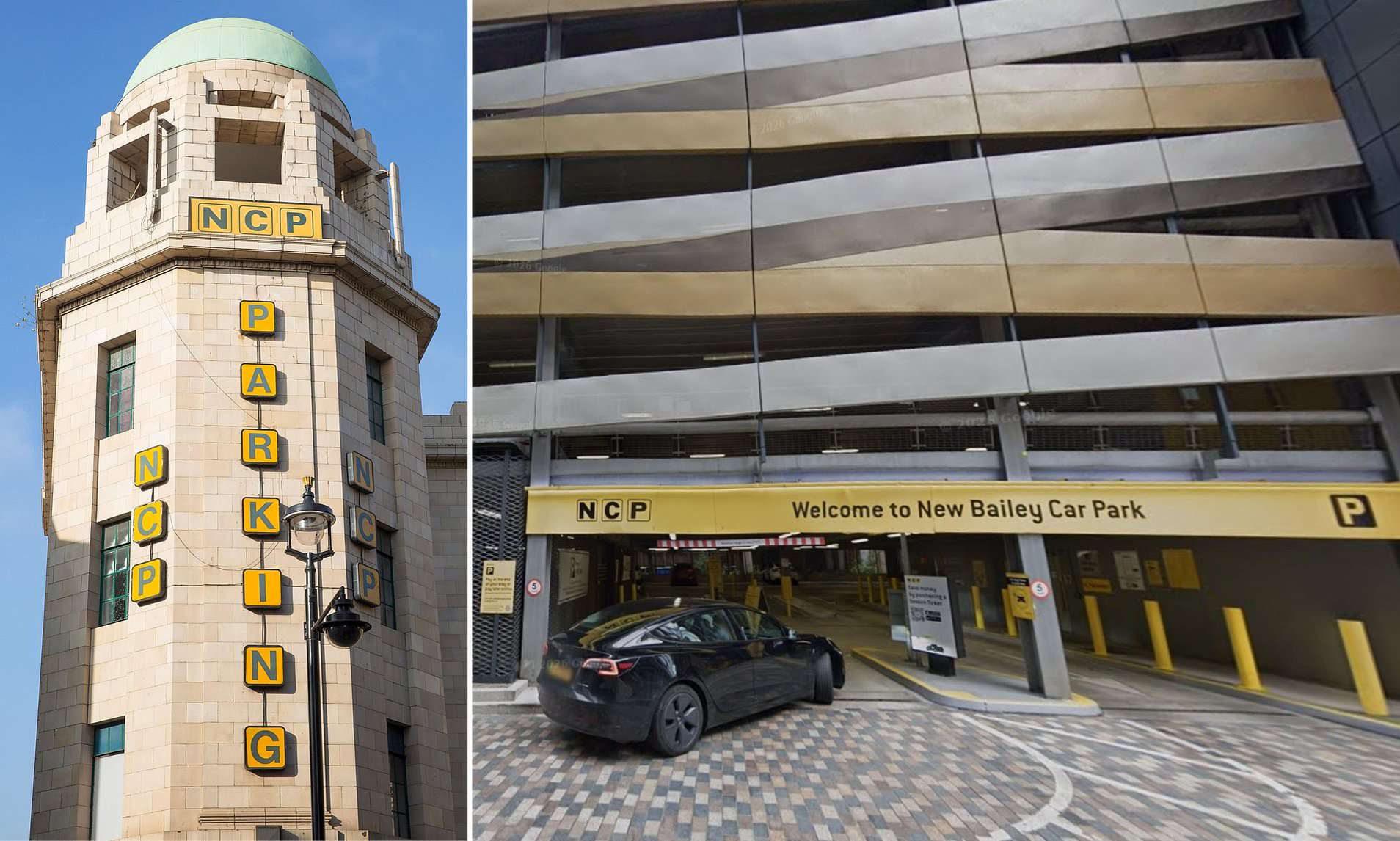
High Street Havoc: Australia Braces for Car Park Chaos as NCP’s Collapse Sparks Landlord Stand-offs
Australia’s bustling town centres and suburban shopping strips could soon face a bleak future as the fallout from the sudden collapse of National Car Parks (NCP), a major player in the car parking industry, begins to bite. Administrators are reportedly threatening to walk away from numerous car park sites, leaving landlords in a precarious position and potentially impacting local economies nationwide.
The abrupt insolvency of NCP, once the country’s largest car park operator, sent shockwaves through the industry earlier this month. Landlords who lease their properties to NCP have now been warned that their car parks could face immediate closure unless they agree to significant rent reductions. This ultimatum comes as insolvency experts grapple with steering the embattled company through its financial woes.

Widespread Closures and Abandoned Sites
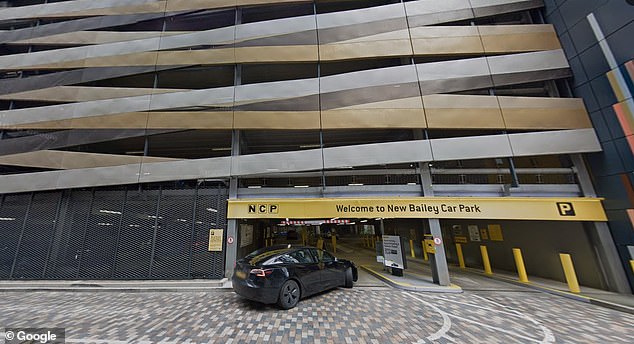
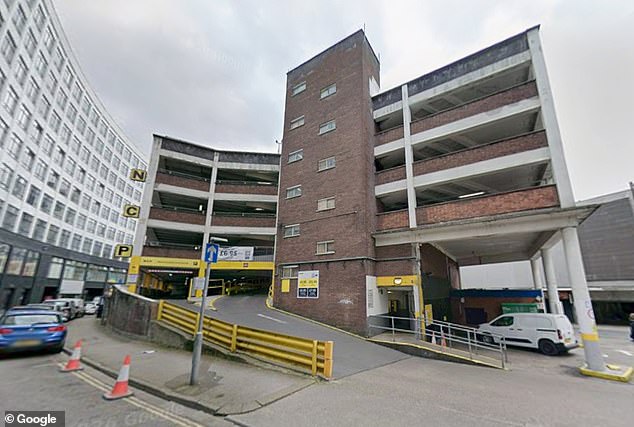
Reports indicate that a concerning number of NCP’s 318 sites across the nation have already been shuttered and effectively abandoned. Locations reportedly affected include major hubs like Birmingham, Leicester, London, and Luton, with fears mounting that dozens more could follow suit.
This potential wave of closures poses a serious threat to landlords, many of whom could find themselves out of pocket with no income from their properties. Beyond the direct financial impact on property owners, the loss of accessible parking could significantly deter shoppers from visiting local high streets and retail precincts. This, in turn, could lead to a sharp decline in foot traffic and a detrimental effect on businesses relying on consistent customer flow.
Furthermore, local councils are bracing for substantial financial losses. When properties owned by a company in administration become vacant, they are typically exempt from business rates, meaning councils could miss out on millions of pounds in crucial revenue.
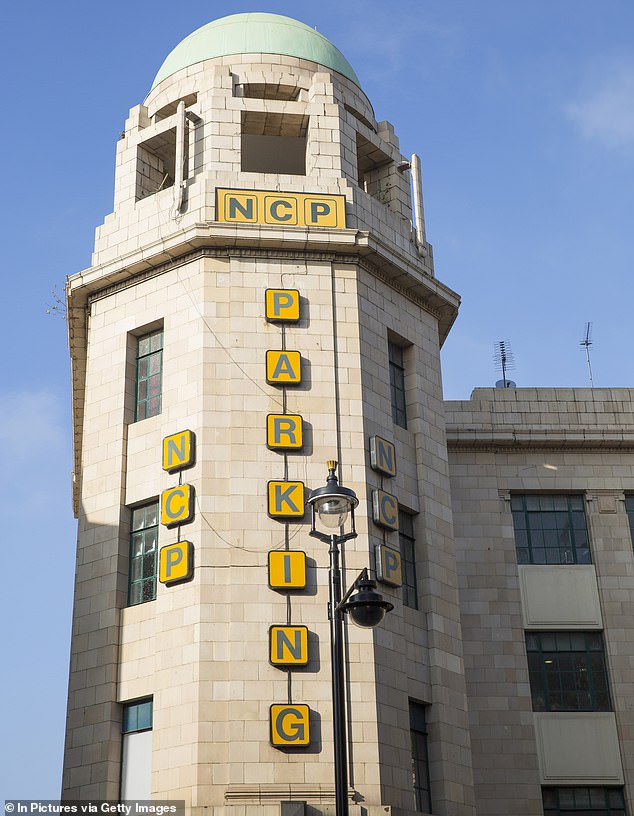
The Administrators’ Tightrope Walk
Insolvency specialists from PwC and CBRE are currently engaged in a high-stakes effort to salvage NCP. Their initial strategy has involved identifying and closing down loss-making car parks within the company’s extensive portfolio. However, their attempts to stabilise the business have been met with significant resistance from landlords.
The administrators are not only seeking to trim costs but are also actively searching for a buyer to acquire the entire business. Yet, negotiations with landlords have become fraught with tension. Some landlords have been presented with demands to slash their rental income by more than half. In addition to rent cuts, a four-week rent waiver has also been requested to help provide breathing room for the company during this turbulent period.
The timeline for landlords to agree to these drastic new terms has been alarmingly short. Some have reported receiving as little as 24 hours’ notice to either accept the new conditions or face immediate closure of their car park facilities. This high-pressure tactic has been met with considerable frustration.
- One disgruntled landlord expressed their dismay, stating: “We view these last-minute bullying tactics as the lowest form of negotiation and are not prepared to do business with people who behave in this manner.”
- Another landlord revealed they were not even informed that their site had already been shut down, highlighting a severe breakdown in communication.
Legal Ramifications and Community Concerns
The unfolding situation has prompted city lawyers to engage with landlords, exploring potential legal avenues. Some property owners are reportedly considering whether they can legally reclaim their car parks from NCP’s administrators.
Beyond the financial and legal complexities, there are growing concerns within communities about the broader societal implications of these abandoned car parks. Councils fear that empty and unsecured sites could become magnets for anti-social behaviour, leading to increased crime and vandalism. Officials have already begun reaching out to landlords, inquiring about potential security measures that could be implemented to mitigate these risks.
For cash-strapped local authorities, the prospect of having to potentially foot the bill for reopening these car parks to support local businesses is a significant worry. This added financial burden comes at a time when many councils are already struggling with limited budgets.
Blame Game and Underlying Issues
The dramatic developments are inevitably drawing scrutiny towards NCP’s former Japanese owner, Park24. The private equity firm has pointed to a confluence of factors contributing to NCP’s downfall, including the lingering impact of the Covid-19 pandemic, escalating rental costs, and rising energy prices.
However, insolvency experts suggest that the company’s demise was significantly exacerbated by the sudden imposition of substantial rent payments. PwC elaborated on the company’s decline, noting that “demand for parking has not recovered to historic levels, particularly across city-centre and commuter locations” in the post-Covid era. They further explained that “continued shifts in commuting and customer driving patterns have impacted site occupancy, while the high concentration of long-term, inflexible leases has meant the Company has been unable to reduce costs in line with revenue or to exit loss-making sites, resulting in ongoing trading losses.” Ultimately, the company found itself with “insufficient cash available to meet its financial obligations,” leading the directors to appoint administrators.
NCP has also cited increased energy prices, particularly since the Russian invasion of Ukraine in 2022, as a contributing factor.
Financial Strain and Past Criticisms
City sources have also pointed to the significant borrowing undertaken by NCP, with the company’s total debt reportedly soaring to an alarming £350 million by the end of last year. Despite this, some observers have expressed surprise at the company’s closure, given its historically high parking charges and seemingly low overheads, which should have theoretically ensured its financial stability. For context, NCP has been known to charge drivers as much as £60 for a day’s parking in central London.
Administrators confirmed this week that efforts are still underway to sell all or part of the business, which boasts a long history dating back to its founding in 1931 and its subsequent merger with rival Central Car Parks in 1959.
A spokesperson for the insolvency experts stated: “A small number of commercially unviable sites have closed this week and while no other closures are currently planned, the administrators are engaging with key stakeholders, including landlords of some sites, to reach agreements that will allow for their continued operation.”
Financial figures paint a stark picture of NCP’s recent performance. The company reported a turnover of £187 million for the financial year ending 2023, representing a 7.15% decrease from the previous year. More concerningly, NCP recorded substantial losses, amounting to almost £27.5 million in 2022 and £26.7 million in 2023.
Adding to its financial woes, Bolton Council wrote off nearly £1.5 million in debts owed by NCP that had accumulated during the pandemic.
NCP has also faced persistent criticism for its aggressive approach to issuing parking fines. Just last month, the company issued an apology and revoked all incorrectly applied fines after a grandfather was unfairly penalised with a £100 charge for a mere 14-minute stay. This incident highlighted signage issues at a Darlington car park, which had stated parking was free for customers for up to 90 minutes. The lingering questions around NCP’s operational practices and financial management continue to cast a long shadow over the future of car parking across the country.