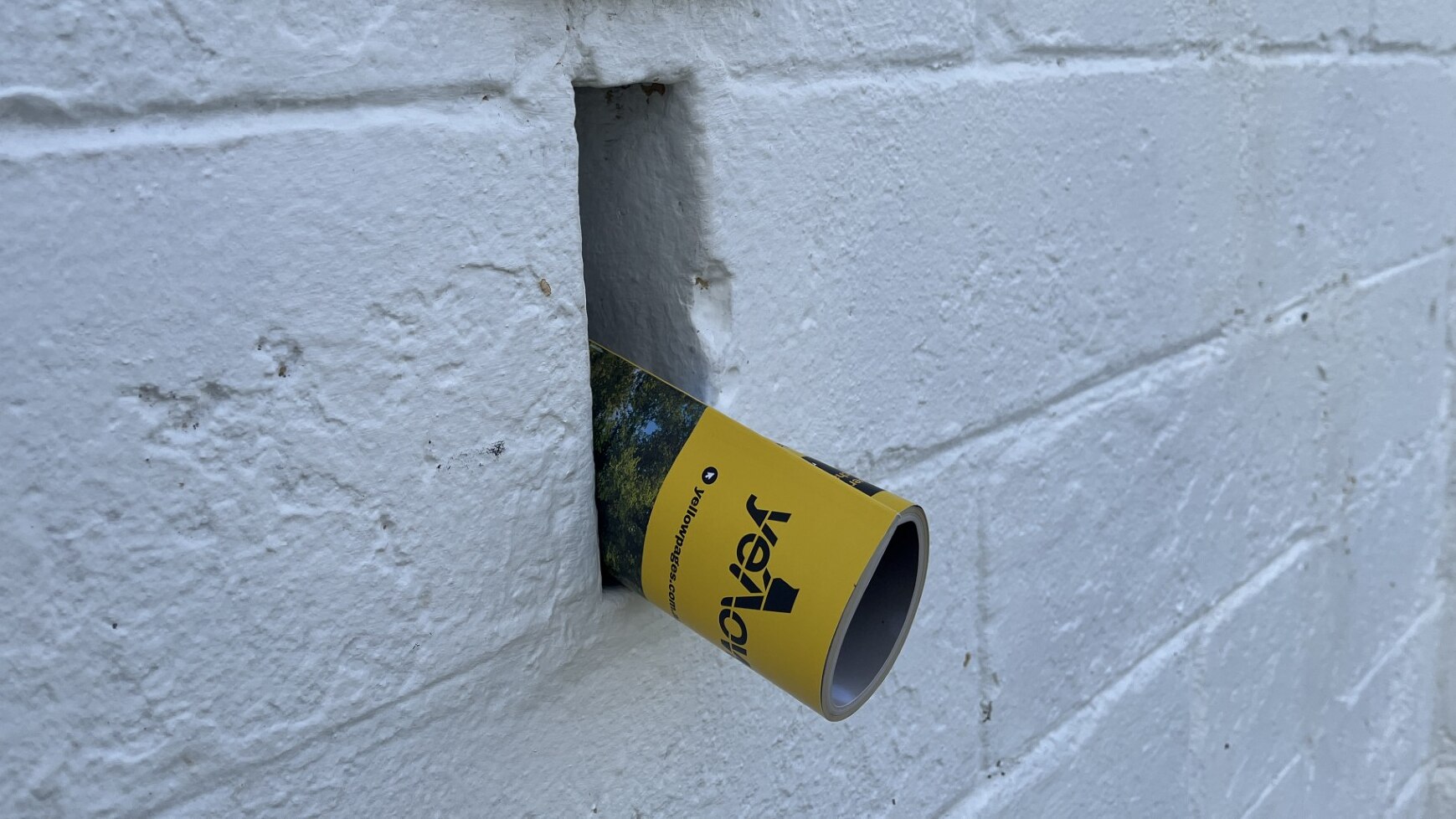
The Evolution of the Phone Book
Once the size of an encyclopedia volume, the humble phone book has gone from being an indispensable part of the home to an afterthought in the digital age. They may seem like relics of a simpler time, but despite their shrinking size, they remain an essential product in some homes.
Elise Balsillie, head of phone book publisher Thryv Australia and New Zealand, highlights that while everyone is online these days using websites, digital tools and technologies, there is still a part of the community that relies on phone books. The fact that the phone book is still in print at all has exceeded even its own publisher’s expectations.

In a 2017 article, the publishing company for Yellow Pages expected the books to have “eight years or so” of life left in them. The sister publication, White Pages, is also fading away, existing almost exclusively online for business and government entities. In November, it was announced that the White Pages website for residential listings would be closed.
Still, a printed version of the phone book continues to show up on doorsteps around the country, though it is now more magazine-sized than encyclopedia-sized. Ms Balsillie said she doubts they will still be produced in 10 years, but for the time being, they are definitely still producing value.
For the Small Business Owner
Ms Balsillie explained that small businesses were still relying on phone books to “capture the whole market.” She mentioned that the company receives thousands and thousands of listings every month from small businesses right across the country that want to be listed in the phone books.
She noted that technology is changing. Twenty years ago, it was just a phone book that they had. But now, it is a really diverse range of tools and tech that they are putting in the hands of small business owners. The business is able to track the call volumes that come through for listed businesses, and they are getting an “incredible return on investment” from their listings.
Who Are Phone Books For?
Something else that has changed about the phone book, aside from its size, is that not everyone gets one these days. Ms Balsillie said that in the Warrnambool region, in south-west Victoria, they only deliver phone books to about 45 per cent of the addressable market.
They target demographics that are likely to use the books, such as people over 55, those in regional areas, and those with poor internet connectivity. People are also able to opt out of receiving the book if it is of no use to them. In the Warrnambool region, about 2 per cent have opted out, which is just over 1,200 people.
And while the concept of a phone book might seem outdated, unfortunately, so is some of the information in it. Ms Balsillie said unless businesses or individuals notify them of changes, numbers could go unchecked for years.
Waste Generating
Total Environment Centre and Boomerang Alliance director Jeff Angel said the number of phone books being delivered in Australia was “crazy.” Mr Angel pointed out that while there is an option to opt out, realistically, only a small portion of people think to take that step.
“It’s a self-perpetuating process of waste generating, and even if they are recycled, a lot of resources and energy have been used producing them in the first place,” he said. “[It’s] time for them to be stopped.”
So, How Long Will Phone Books Be With Us?
When asked how long phone books will be with us, Ms Balsillie simply replied, “Let’s see how it goes.”