A New Era for the Australian Army
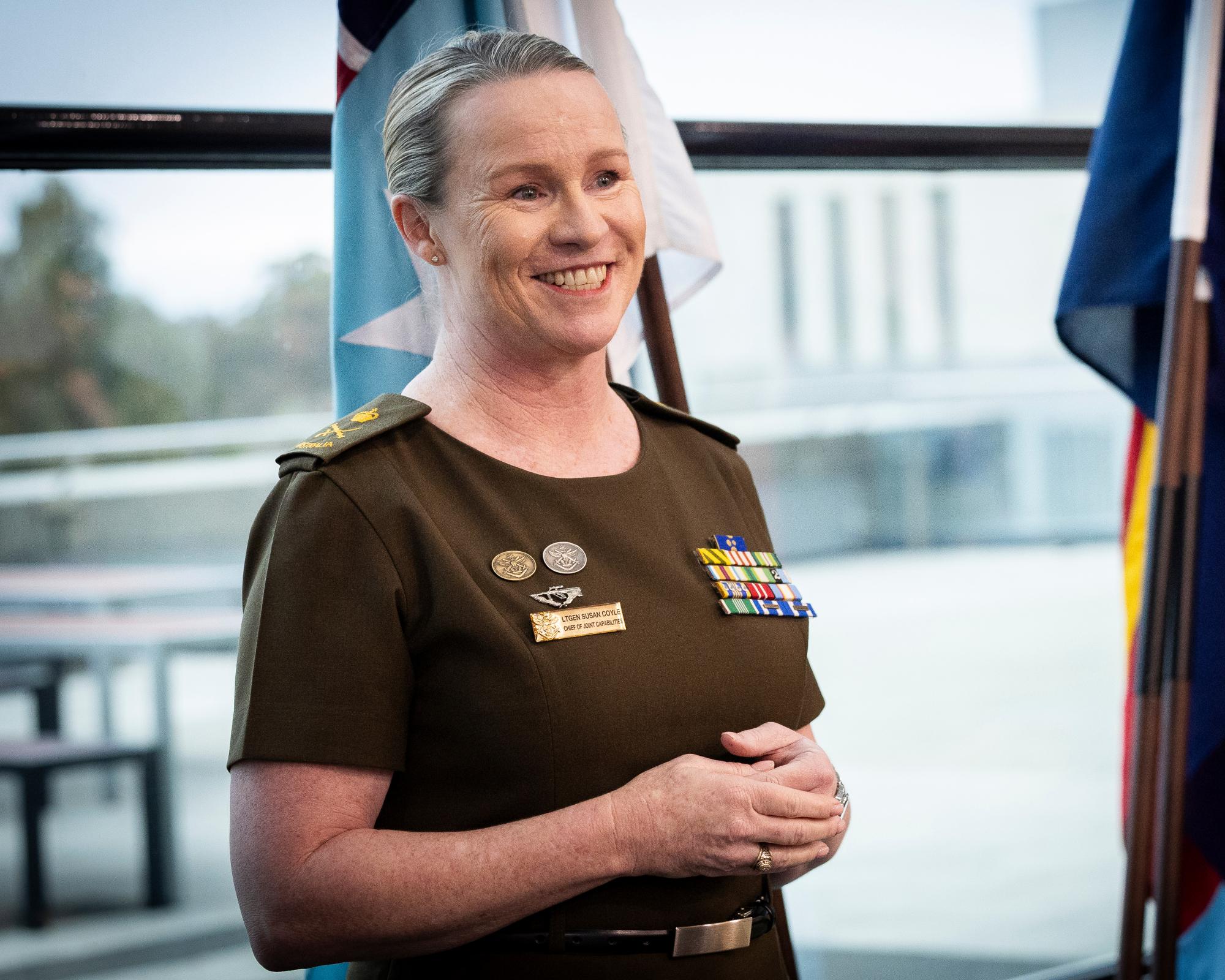
Lt Gen Susan Coyle, a decorated officer with over three decades of service, is set to make history as the first woman to lead the Australian Army. Her appointment as the new chief of army will take effect in July, marking a significant milestone for the military and women in uniform.

The announcement of Coyle’s leadership was made by Defence Minister Richard Marles, who praised her as a “standout candidate” for the role. Marles highlighted her extensive experience and dedication to the armed forces, emphasizing that her appointment represents a major step forward for gender equality within the military.
Leadership Changes in the Defence Force
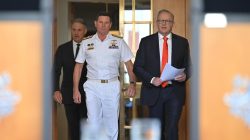
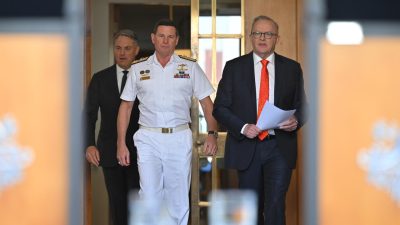
In addition to Coyle’s appointment, there are several key changes within the defence force. V Adm Mark Hammond, the current chief of navy, has been promoted to chief of defence force, succeeding Adm David Johnston, who is retiring after more than 48 years of service.
Prime Minister Anthony Albanese acknowledged Hammond’s distinguished career, which spans 40 years in the Royal Australian Navy. He noted that Hammond has played a crucial role in leading the navy through significant challenges, including overseeing the multibillion-dollar Aukus nuclear submarine deal.
Hammond, who joined the navy in 1986 as an electronics technician, has held various roles throughout his career. He commanded HMAS Farncomb on the Collins class submarines and served as an assistant naval attache in Washington DC. His leadership as head of navy since July 2022 has been instrumental in shaping the future of the Australian Navy.
A New Leader for the Navy
As Hammond transitions into his new role, Rear Adm Matthew Buckley, the current deputy chief of navy, will be promoted to replace him as chief of navy. Buckley’s appointment signals a smooth succession plan and ensures continuity in leadership for the navy.
Coyle’s journey to the top of the army began in 1987 when she joined the army reserve. She graduated from the Australian Defence Force Academy in 1992 and has since held various high-ranking positions. These include head of information warfare, commander of Joint Task Force 633 in the Middle East, and commander of Task Group Afghanistan.
She has also led troops in deployments to Timor-Leste, Solomon Islands, and Afghanistan. In July 2024, Coyle was appointed chief of joint capabilities, where she oversees the ADF’s cyber and space commands, as well as information warfare.
Breaking Barriers in the Military
Coyle holds postgraduate master’s degrees and is a distinguished graduate of the US Army War College. She is married to a fellow military officer and has three children. Her achievements have not gone unnoticed, with Marles describing her elevation to the position of chief of army as “a deeply historic moment.”
Coyle has spoken openly about the evolving nature of the Australian military. In 2024, she told the ABC that when she first enlisted, only 10% of personnel were women, and the highest-ranked female soldier was a colonel. Today, there are four female three-star generals, and Coyle believes there is much more to come.
“There’s plenty more of us,” she said. “There’s lots of really good women coming through, who have worked really hard, have done all the right types of jobs, and I think being recognised. It’s a wonderful place to be.”
Transition and Future Outlook
As Coyle prepares to take on her new role, Lt Gen Simon Stuart, the current chief of army, will also retire in July. This marks the end of an era for both the army and the broader defence force.
With these leadership changes, the Australian military is entering a new chapter, one that promises continued progress and innovation. Coyle’s appointment is not just a personal achievement but a symbol of the growing opportunities for women in the armed forces.
Her leadership will be closely watched, and her impact is expected to shape the future of the Australian Army for years to come.