
Strategic Importance of the Strait of Hormuz
The strategic significance of the Strait of Hormuz has been a topic of increasing discussion, particularly in light of recent geopolitical developments. Experts and analysts have highlighted the need for a strong and visible naval presence in this critical waterway. The Strait of Hormuz is one of the world’s most important shipping lanes, with a significant portion of global oil trade passing through it. Any disruption to this route could have far-reaching implications for global energy markets and international security.
Expert Perspectives on Naval Presence
Jennifer Parker, from the UWA Defence and Security Institute, has emphasized the importance of maintaining a US naval presence in the Strait of Hormuz. She argues that such a presence is essential to ensure the free flow of maritime traffic and to deter potential threats. According to Ms. Parker, the United States must play a key role in limiting Iran’s ability to interfere with shipping routes. This perspective aligns with broader concerns about regional stability and the need for international cooperation to address security challenges.

Recent Developments and Statements
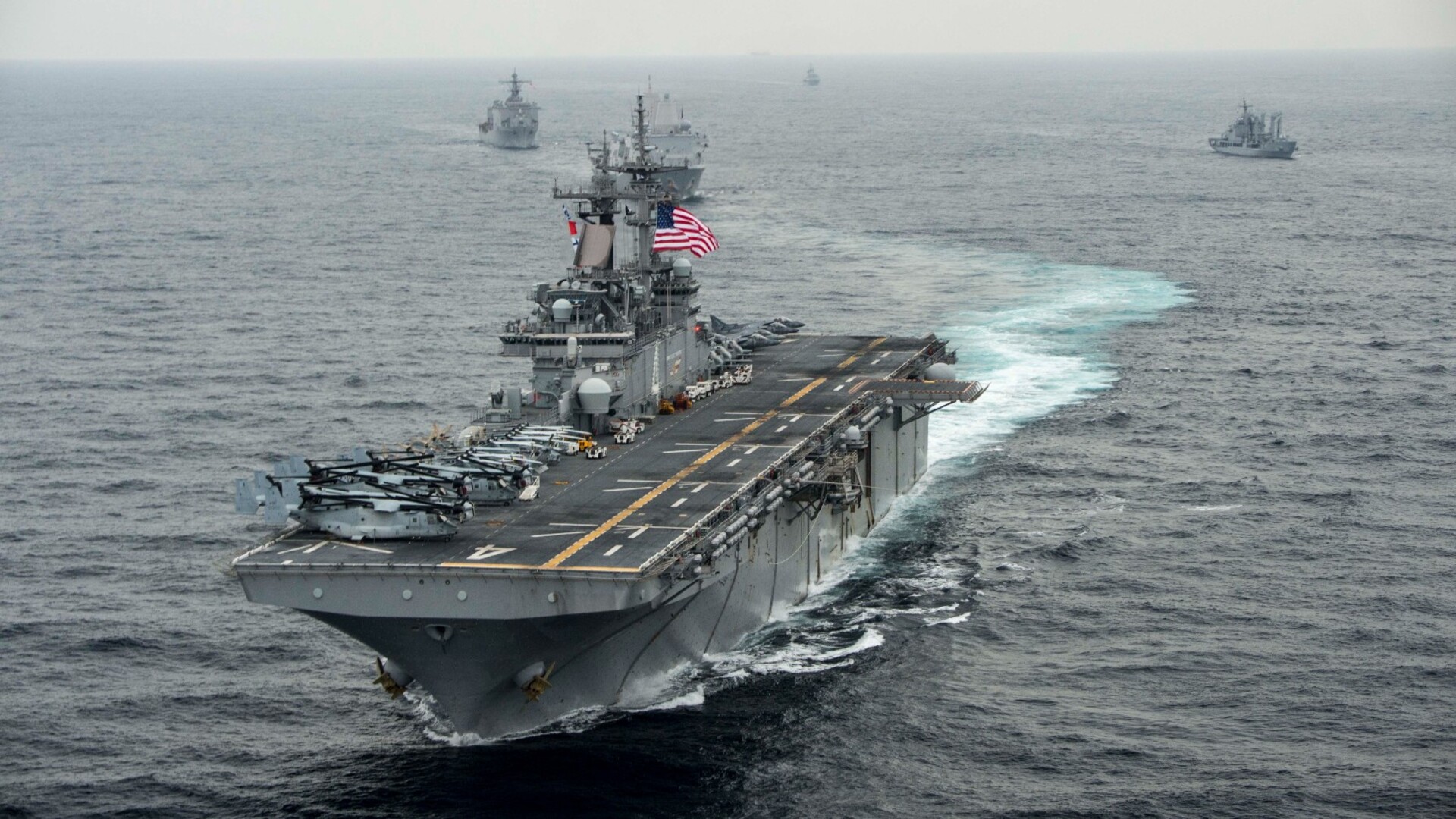
In a recent interview with Sky News Australia, Ms. Parker provided further insights into the current situation. She mentioned that the US warships that passed through the Strait on Sunday morning marked the beginning of a new phase in the region’s security strategy. This move is seen as a proactive step to reinforce the US commitment to maintaining stability in the area. The presence of these vessels serves as a clear signal to all stakeholders that the US is actively engaged in safeguarding critical maritime routes.
Implications for Regional Security
The decision to increase the US naval presence in the Strait of Hormuz has several implications for regional security. It not only strengthens the US position in the Middle East but also sends a message to other nations about the importance of upholding international norms and agreements. By demonstrating a commitment to protecting shipping lanes, the US aims to prevent any potential escalation of tensions in the region.
Broader Geopolitical Context
The situation in the Strait of Hormuz is part of a larger geopolitical landscape. Tensions between the US and Iran have been a recurring theme in recent years, with various incidents highlighting the fragile nature of the relationship. The US has taken steps to counter Iranian influence in the region, including imposing sanctions and conducting military exercises. These actions are aimed at ensuring that the Strait remains a secure and stable passage for international trade.
Future Outlook
Looking ahead, the role of the US in the Strait of Hormuz will likely remain a focal point of international attention. As global demand for energy continues to grow, the importance of securing key shipping routes becomes even more critical. The US is expected to maintain a strong naval presence in the area, working closely with allies and partners to ensure the safety and security of maritime traffic.
Conclusion
The strategic importance of the Strait of Hormuz cannot be overstated. With its role as a vital conduit for global trade, the need for a robust and visible naval presence is clear. Experts like Jennifer Parker highlight the necessity of the US playing a leading role in this effort. As the situation continues to evolve, the focus will remain on maintaining stability and preventing any disruptions that could impact global markets and regional security.