The Controversial Appointment of Nepal’s New Chief Justice
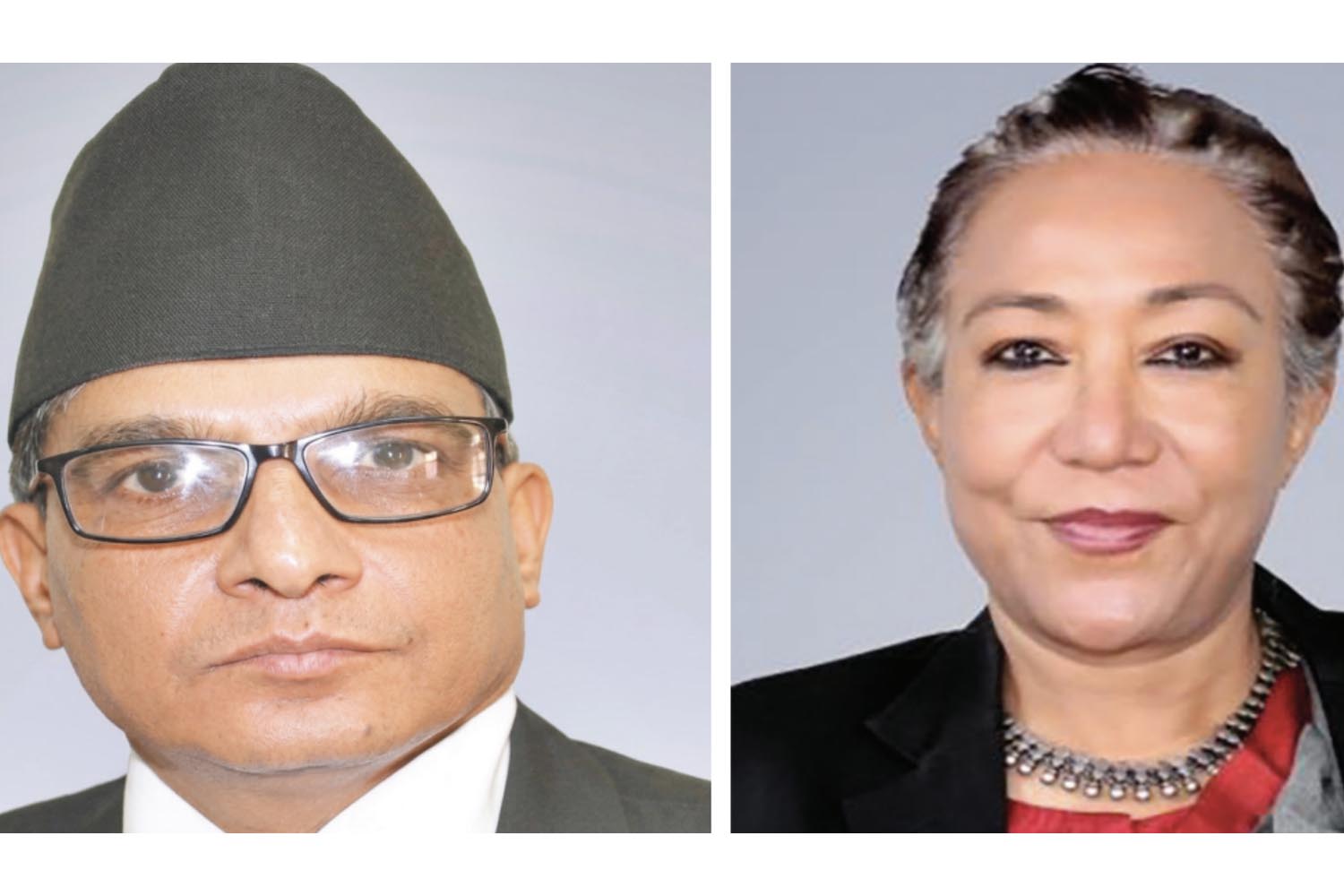
Nepal’s Constitutional Council has made a significant and controversial decision by recommending Justice Manoj Kumar Sharma as the 33rd chief justice of the Supreme Court, bypassing more senior judges. This move has raised concerns about the long-standing tradition of seniority in judicial appointments and has sparked debates on the balance between merit and tradition.
The council, led by Prime Minister Balendra Shah, chose Sharma despite reservations from two of its members. They opted for the fourth-ranking judge over Sapana Pradhan Malla, the senior-most justice, and Kumar Regmi and Hari Prasad Phuyal, who were ahead of Sharma in the hierarchy. In the six-member council, the National Assembly chair and the leader of the opposition expressed their dissent, highlighting the significance of this deviation from established norms.

Malla has been acting as the chief justice since Prakash Man Singh Raut retired in March. Shah’s proposal to appoint Sharma instead of Malla led to heated discussions within the council. The prime minister urged dissenting members to submit their objections in writing if they did not accept the recommendation. A member of the council stated that they had submitted written objections, emphasizing that the decision violated established procedures and traditions.
Shah defended his choice, arguing that while tradition plays a role, it should not be the sole factor in appointments. He emphasized the importance of merit, expertise, and judicial capability in the selection process. However, many experts disagree with this approach.
Bipin Adhikari, a professor at the Kathmandu University School of Law, noted that although there is no constitutional restriction on appointing someone other than the senior-most justice, there must be rare and institutionally justified reasons for such a decision. “I don’t see strong reasons for this departure,” he said. Appointing a junior justice without valid reasons might create an environment where executive influence could affect judicial independence. “This may lead to justices being cautious in their decisions, fearing it could hinder their promotions.”
The Nepal Bar Association also voiced its concerns. General Secretary Kedar Koirala stated, “We are shocked by the council’s decision.” The association plans to hold a meeting to determine its official stance.
Background of Justice Manoj Kumar Sharma
Born on June 18, 1970, in Birgunj, Parsa district, Sharma comes from a legal family background. He is the nephew of former chief justice Damodar Sharma. Sharma holds a bachelor’s degree in law from Nepal Law Campus, Kathmandu, and an LLM from Pune University, India. He also earned a PhD in Labour Law from Tribhuvan University.
He obtained his advocate license in 1994 and has been associated with the prominent corporate law firm Pioneer Law Associates since then. Later, he joined Shreeman Law Firm in 2004. Sharma was appointed an additional judge to an appellate court in 2013 and served until 2015.
He became a permanent justice of the Supreme Court on April 18, 2019. Since February 5, 2024, he has been serving as a member of the Constitutional Bench. After becoming a Supreme Court judge, Sharma also served as a member and later chair of the Justice Access Commission from January 6, 2023, to September 2024, working to expand access to justice. He was also a member of the Supreme Court’s Information Technology Committee from 2020 to 2022.
Sharma has represented Nepal in international judicial forums, including the World Intellectual Property Judges Forum and the Asia-Pacific judicial conferences, where discussions on climate change-related judicial decisions took place.
Implications of the Appointment
The decision to appoint Sharma marks a departure from the traditional practice of setting chief justice appointments years in advance. Sharma will reach the retirement age of 65 only in 2032, meaning he could serve the full six-year tenure. Under Article 129 of the Constitution of Nepal, a justice who has served at least three years as a Supreme Court judge is eligible to be appointed chief justice. With this recommendation, Malla, Regmi, and Phuyal will not become chief justice again. This precedent may open the door for all judges with at least three years of Supreme Court service to be considered for the top role.
Now, Sharma’s name will be sent to the Parliamentary Hearing Committee. A joint committee of the House of Representatives and the National Assembly will publish a public notice and invite complaints. After reviewing complaints, lawmakers will question the nominee. Sharma will also be asked to present his vision. Once approved, President Ramchandra Paudel will appoint him to the vacant chief justice position.