Rising Gas Prices and the Struggle for Control in the Strait of Hormuz
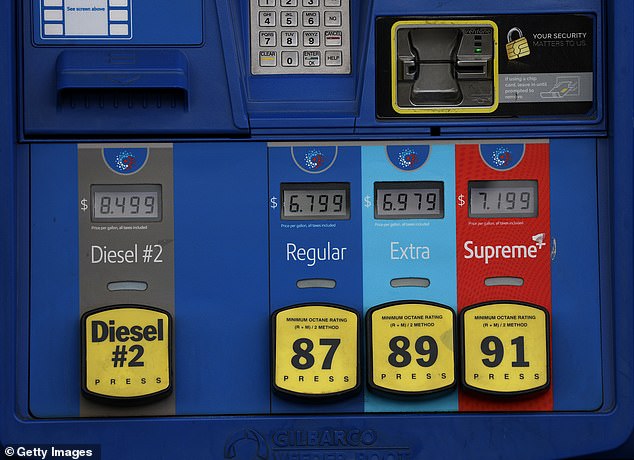
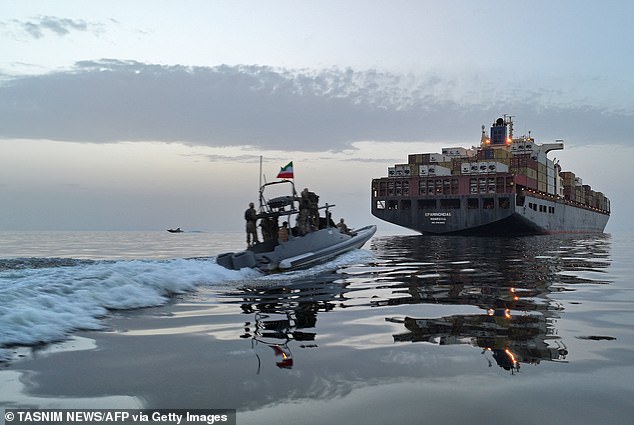
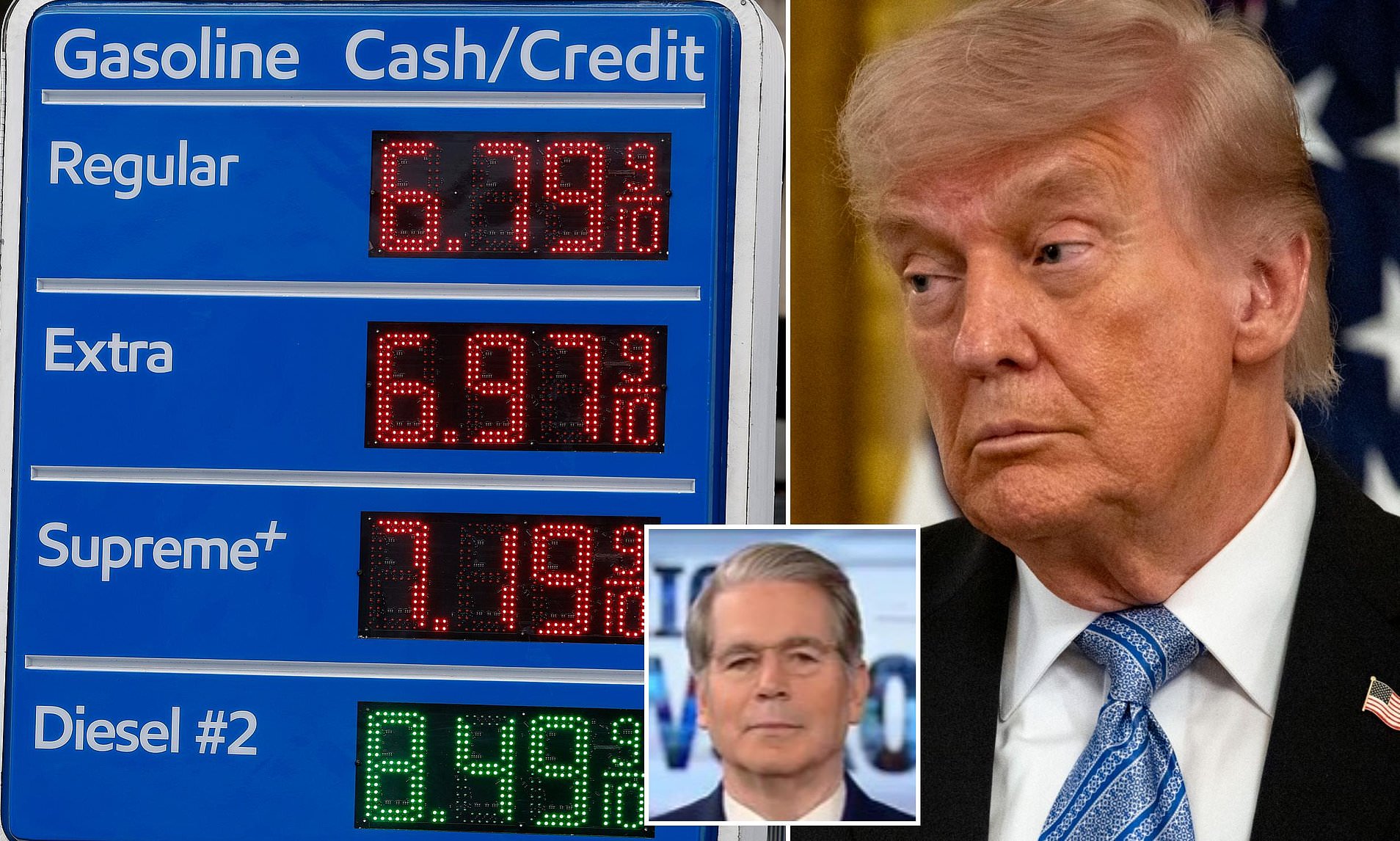
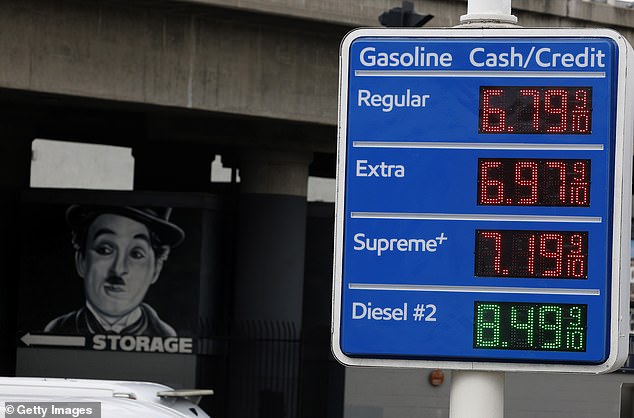
Gas prices in the United States have been climbing steadily, with the average price now at $4.46 per gallon, a significant increase from $3.17 in 2025. This surge has sparked concern among consumers and officials alike, especially as tensions escalate in the Strait of Hormuz. The situation is further complicated by ongoing conflicts involving Iran, which has launched attacks on ships and infrastructure in the region.
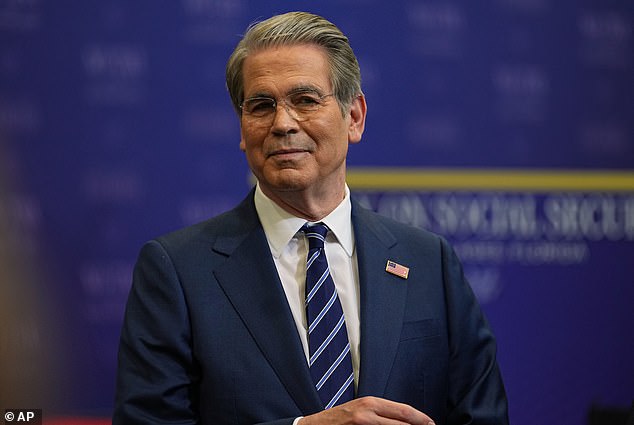
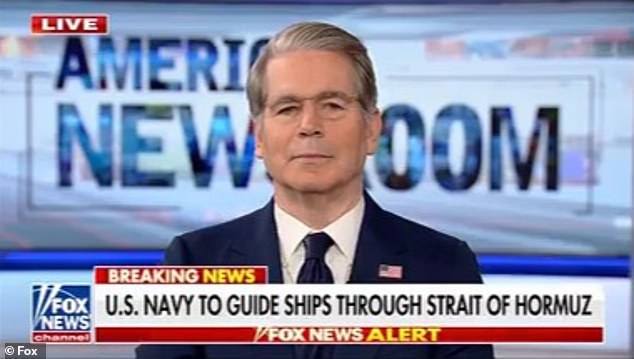
Treasury Secretary Scott Bessent has assured the public that “help is on the way” to address the rising costs. He explained that the market is currently experiencing a deficit of between eight and ten million barrels of oil per day due to the conflict around the strait. Bessent emphasized that efforts to ease this bottleneck could lead to a more stable supply of oil.

One of the key strategies being discussed involves the movement of crew carriers through the strait. According to Bessent, each crew carrier can transport about two million barrels of oil. With four or five such carriers expected to pass through daily, the potential for increased oil supply is significant. He estimated that over 150 to 200 crew carriers could be released, contributing to a more abundant oil market.
Bessent also highlighted the role of the United Arab Emirates (UAE) and the Organization of the Petroleum Exporting Countries (OPEC) in increasing oil production. He expressed confidence that the global market would soon be flooded with oil, noting that the UAE’s decision to leave OPEC and increase its output would help meet global demand. As the world’s leading energy superpower, the United States has never produced so much crude oil, he added.
A Temporary Setback
Despite the current challenges, Bessent described the recent spike in gas prices as a “short-term blip.” He pointed to positive economic indicators, including strong corporate earnings and good employment figures, as signs that the economy is performing well under the current administration. He predicted that the issue would be resolved within weeks or a month, as the conflict in the region is expected to subside.
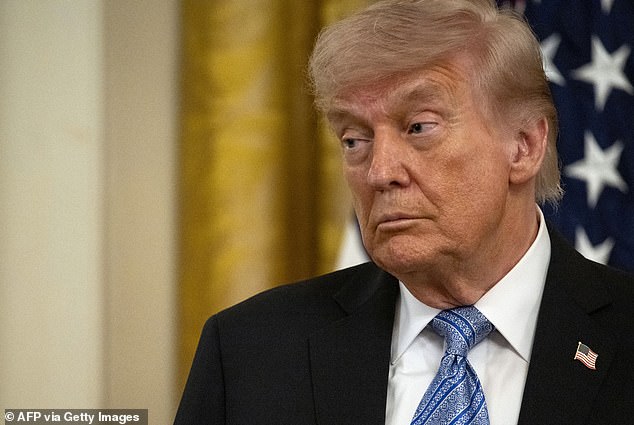
The situation in the Strait of Hormuz has taken a dramatic turn following Iranian attacks on ships and infrastructure. President Donald Trump confirmed these attacks, stating that Iran had targeted vessels in the area. In response, he threatened to “blow Iran off the face of the earth” if US warships and commercial vessels continued to be attacked.
Both sides have been locked in a geopolitical stalemate, with neither side willing to compromise on their terms for a peace deal. Trump has taken to social media to express his frustration, mentioning an attack on a South Korean cargo ship and suggesting that South Korea might need to join the mission to ensure the safety of ships passing through the strait.
Efforts to Secure the Strait
Trump has pledged to send American warships to “guide” commercial vessels through the Strait of Hormuz, aiming to free ships caught in the waterway. This move comes after the UAE reported an attack on one of its petroleum industrial sites, resulting in a fire at the Fujairah Oil Industry Zone. Fujairah Civil Defence teams are working to control the blaze, according to local officials.
Fujairah is home to a major port and other petroleum-based installations, making it a critical hub for oil transportation. The President’s statement on social media emphasized the importance of ensuring the safe passage of ships through the strait, highlighting the significance of this effort for the region and the global economy.
However, these efforts carry risks, as they could reignite full-scale fighting that erupted when the US and Israel first attacked Iran. Shipping companies and their insurers may be hesitant to take such risks, given the history of attacks on vessels in the waterway.
Iran has criticized the new US initiative as a violation of the fragile ceasefire that has held for over three weeks. Its effective closure of the strait has led to a spike in worldwide fuel prices and created uncertainty in the global economy.
Navigating the Challenges
The US-led Joint Maritime Information Center has advised ships to cross the strait in Oman’s waters, establishing an “enhanced security area” to ensure safer passage. This development underscores the growing concerns over the stability of the region and the need for coordinated efforts to maintain open trade routes.
As the situation continues to evolve, the focus remains on finding a resolution that will stabilize the market and ensure the safe passage of ships through the Strait of Hormuz. The coming days will be crucial in determining the future of this vital waterway and its impact on global energy markets.