Political Storm Brews Over Missing Messages and Witness Testimony
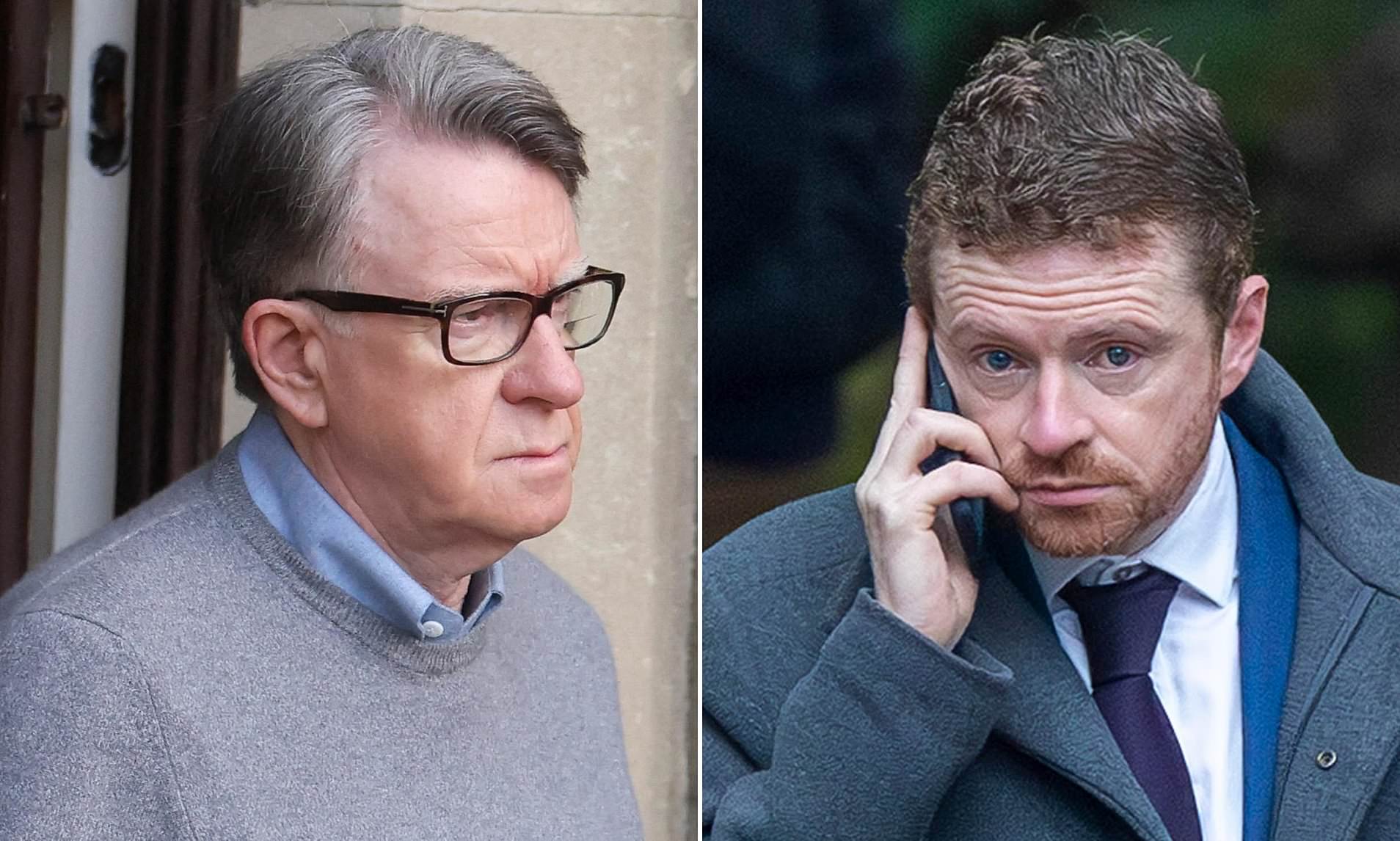
A political firestorm is intensifying as concerns mount over the potential for a key political aide, Morgan McSweeney, to be compelled to testify before parliamentary committees. The controversy centres on a significant volume of messages, reportedly exchanged between McSweeney, former chief of staff to Sir Keir Starmer, and the peer Peter Mandelson. The disappearance of McSweeney’s phone has fuelled speculation and demands for transparency, with officials now scrambling to recover the missing communications.
The Mandelson Appointment Controversy
The core of the political drama lies in the appointment of Peter Mandelson as a US ambassador. This appointment has come under intense scrutiny, particularly in light of alleged warnings regarding his “close” relationship with the convicted sex offender Jeffrey Epstein. The Cabinet Office has recently requested that Mandelson provide messages from his personal phone pertaining to this appointment. This action comes nearly two months after Members of Parliament (MPs) initially demanded the publication of these communications.

In parallel, ministers and advisors have been asked to submit messages from group chats. The aim is to construct a more comprehensive understanding of the circumstances surrounding Mandelson’s appointment, especially given the aforementioned concerns.
Accusations of “Dereliction of Duty”
The timing and handling of this situation have drawn sharp criticism from opposition parties. Alex Burghart, a Conservative frontbencher, has labelled the delay in requesting messages from Mandelson’s phone as a “complete dereliction of duty.” He articulated his frustration by stating:
“They knew that Morgan McSweeney’s phone had gone missing in action. They knew Parliament demanded full transparency. And they failed to act. It is shameful. There can be no more cover up. The public deserve to know the full truth about Keir Starmer’s appalling judgment. We will hold them to account until they do get that truth.”
Potential for Parliamentary Compulsion
This latest move to secure the messages follows closely on the heels of hints from Kemi Badenoch that she was prepared to initiate another vote in the House of Commons. Such a vote would aim to legally compel Mr. McSweeney to provide evidence.
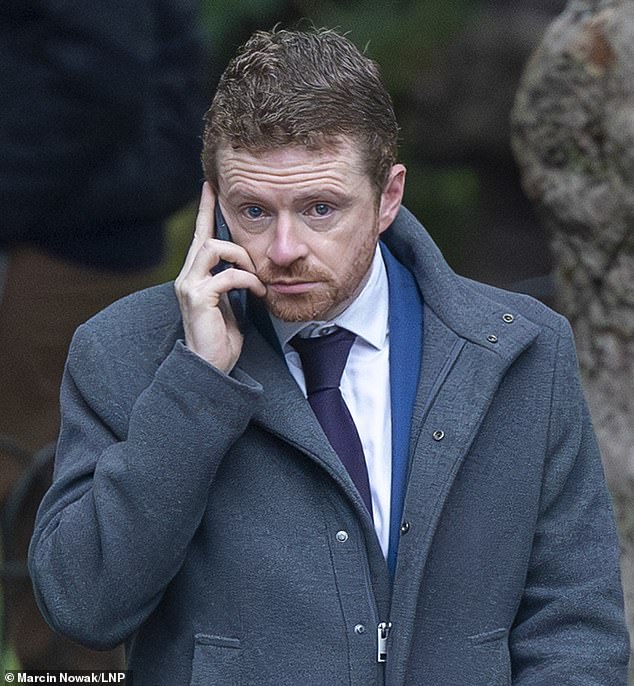
Badenoch has been vocal about the need for accountability, stating: “If No 10 are incapable of recovering these messages, it is only right that Morgan McSweeney testifies in Parliament and explains exactly what happened and why Keir Starmer signed off on Peter Mandelson’s appointment despite the warnings.”
Labour MPs Express Doubts
The official narrative surrounding the events is not universally accepted, even within the Labour party. Some Labour MPs are reportedly unconvinced by the explanations provided and may align with opposition backbenchers. Their objective would be to elicit further information from Mr. McSweeney, particularly if the government can only produce a limited or incomplete record of the communications.
A veteran Labour MP, Karl Turner, has controversially referred to McSweeney as “McSwindle.” He has publicly expressed his skepticism, stating: “I don’t believe McSwindle had his iPhone stolen. We mustn’t take the public for fools. And I am afraid this smacks of too convenient by far.”
An Undesirable Prospect for McSweeney
Government sources have confirmed that efforts to gather material related to Mandelson’s appointment are ongoing. However, they have also acknowledged the possibility that Parliament might demand further information directly from Mr. McSweeney. One Labour source described the prospect of McSweeney being required to give evidence in public as “undesirable in every way.”
The Mysterious Phone Theft
Downing Street has confirmed that Mr. McSweeney reported his phone was stolen in a street incident late at night on October 20th of the previous year. This event occurred mere days after discussions among Labour advisors about the potential for Parliament to demand his message records be surrendered to Mandelson.
However, the precise circumstances of that evening remain unclear.
- Initial Claims: Allies of Mr. McSweeney initially suggested that the police had indicated they were “too busy” to investigate the theft.
- Police Response: The police subsequently issued a statement refuting this, asserting they had attempted to contact him twice the following day with no success.
- Unusual Disclosure: In a highly irregular move, the police also released a transcript of his emergency 999 call. This transcript revealed that Mr. McSweeney had not identified himself as the Prime Minister’s chief of staff and had provided an incorrect address.
The ongoing investigation into these events and the missing messages continues to be a focal point of political debate, with demands for full disclosure and accountability showing no signs of abating.