Trump’s Criticism of Previous Presidents
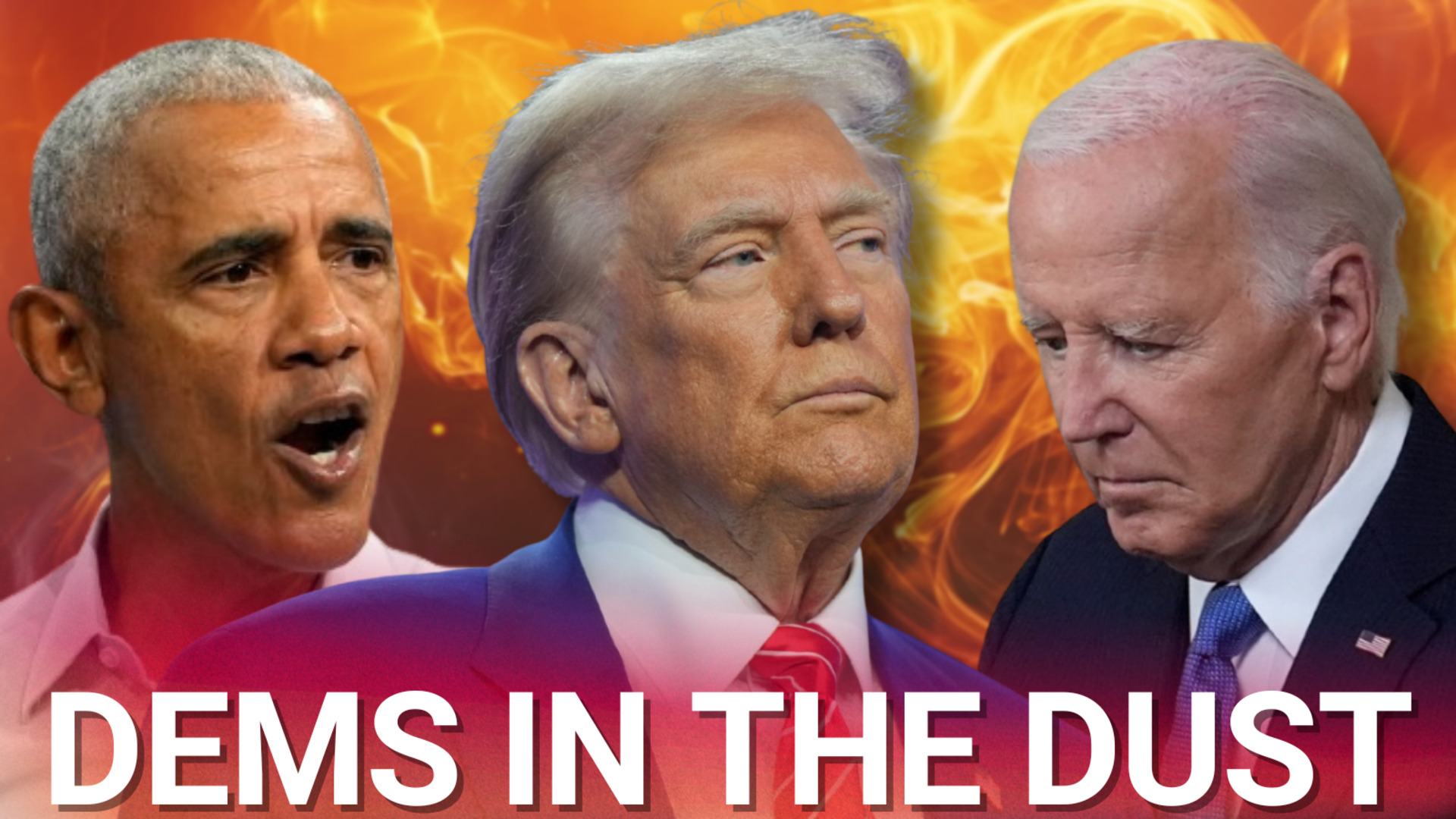
US President Donald Trump has made a series of comments criticizing former presidents Barack Obama and Joe Biden, suggesting that they would not have performed well on cognitive tests. His remarks came during a public statement where he expressed his views on the importance of cognitive assessments for political candidates.
“I’ll say I’m not feeling well, someday I might say that to you, and you’ll be the first to know, actually I won’t have to because you’ll be able to see it just like you did in the last administration,” Mr. Trump said. This statement was interpreted by many as a subtle jab at the previous administrations, implying that the current state of affairs reflects a lack of cognitive sharpness.

The Cognitive Test Argument
Mr. Trump emphasized the need for all presidential and vice-presidential candidates to undergo cognitive testing. He claimed that no president before him had ever taken such a test, stating, “I’ve taken three of them, and I’ve aced each one.” This assertion highlights his belief in his own mental acuity and suggests that other leaders may not meet the same standards.
The president went on to describe the first question of the test as very easy, adding, “How do you think Biden would’ve done … he might not have gotten that first question right.” This comment is seen as a direct criticism of former President Joe Biden, implying that he lacks the cognitive ability to handle the responsibilities of the presidency.
A Comparative Assessment
In addition to his comments about Biden, Mr. Trump also criticized former President Barack Obama, claiming that he would have performed poorly on the cognitive test. “Obama would’ve done poorly; they would’ve done very poorly,” he stated. These remarks reflect a broader narrative that Mr. Trump has often used, positioning himself as the only leader with the intellectual capacity to lead effectively.
While these statements are subjective and based on personal opinions, they have sparked significant debate among political analysts and the public. Many argue that cognitive testing is not a reliable measure of leadership potential and that such assessments can be biased or misleading.
Public Reaction and Implications
The public reaction to Mr. Trump’s comments has been mixed. Some supporters have praised his confidence and willingness to speak openly about the importance of cognitive abilities in leadership. Others, however, have criticized the remarks as unproductive and potentially damaging to the political discourse.
Experts in psychology and political science have weighed in on the topic, noting that while cognitive abilities are important, they are just one aspect of effective leadership. Other factors, such as emotional intelligence, decision-making skills, and experience, also play crucial roles in determining a leader’s effectiveness.
Conclusion
As the political landscape continues to evolve, the debate over the role of cognitive testing in leadership selection remains ongoing. While Mr. Trump’s comments have drawn attention to this issue, they also highlight the complexities of evaluating leadership qualities. Whether or not cognitive tests should be a standard part of the political process remains a topic of discussion among scholars, politicians, and the public alike.