Legal Battle Over Goat Slaughter Footage Sparks Concerns for Press Freedom
A legal case involving footage of slaughtered goats has raised significant concerns about press freedom in Australia, according to whistleblower advocates. The dispute, which is now heading to the High Court, could have far-reaching implications for the rights of journalists and activists.
The unusual situation arose from a new legal approach taken by a Victorian abattoir accused of mistreating animals. In 2024, animal welfare activists from Farm Transparency entered the property of Game Meats Company to document what they claimed were instances of cruelty. They captured footage of the process and shared it with a news outlet called Seven.

However, the abattoir quickly took legal action, obtaining an injunction to prevent the broadcast of the footage. Since then, the legal battle has escalated through the Federal Court and is now being considered by Australia’s highest court.

Who Owns the Footage?
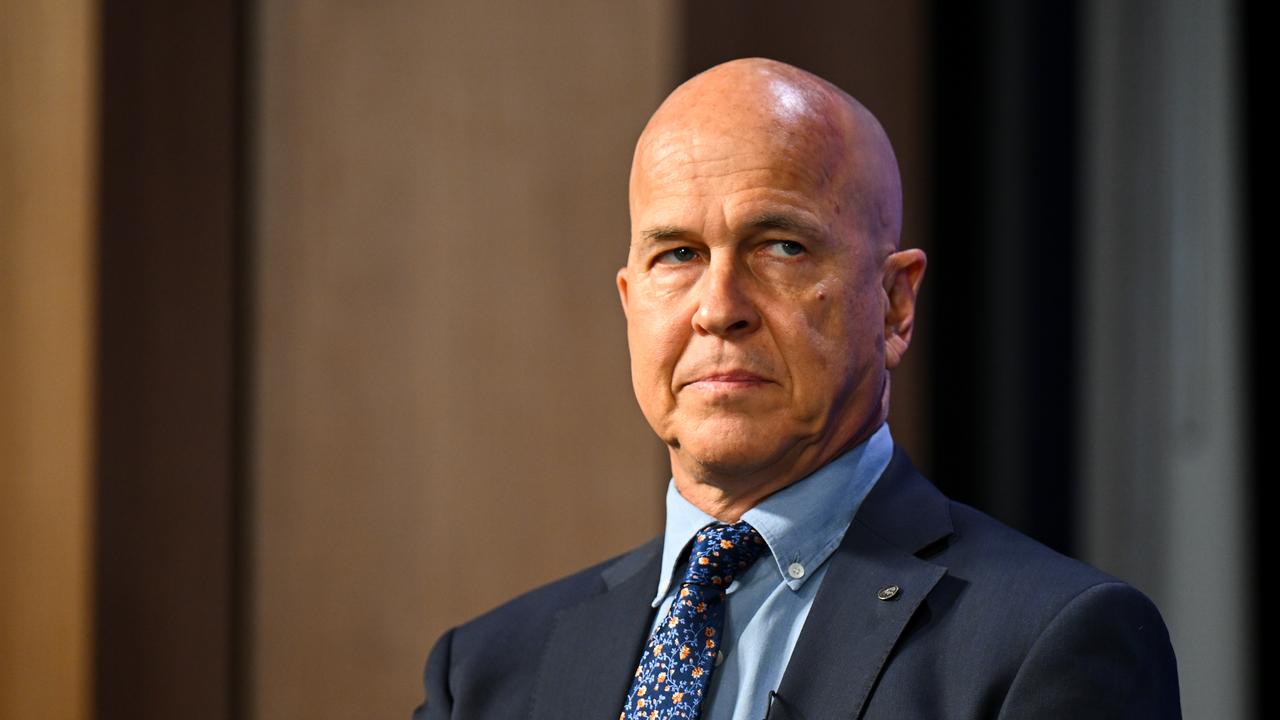
At the core of the dispute is the question of who owns the footage. Peter Greste, executive director of the Alliance for Journalists’ Freedom, explained that copyright typically belongs to the creators of the material.
“The moment that you make a film, the moment that you write a book, the moment that you write an article, the copyright goes to you,” he said.
However, Game Meats Company’s legal team has argued that the copyright should belong to them. Mr Greste acknowledged the skill of the lawyers behind this argument but expressed concern over how copyright law is being used.
“I was impressed with the lawyers that came up with this argument,” he said. “But we’re really concerned about the way in which copyright law has been used in a way that it was never designed for.”
Mr Greste emphasized that if the High Court upholds the lower court’s ruling, it could set a dangerous precedent. He warned that it might provide those seeking to cover up wrongdoing with additional legal tools to suppress public interest journalism.
Impact on Whistleblowers and Journalists
Kieran Pender, from the Human Rights Law Centre Whistleblower Project, highlighted the potential consequences of reinterpreting copyright laws. He said that if the court sides with Game Meats Company, it could discourage individuals from exposing wrongdoing.
“History shows that when wrongdoers are given legal tools to silence whistleblowers and journalists, those tools are used, and that’s bad for Australians,” he said.
The case was heard by the High Court in a one-day session on Tuesday, with a judgment expected in the coming months.
Additional Legal Consequences
In addition to the copyright issue, the Federal Court has ordered Farm Transparency to pay $130,000 in damages for its trespassing. This decision underscores the complex nature of the case, which involves both legal and ethical considerations.
AAP has reached out to Game Meats Company for comment, but no response has been received at this time.
Broader Implications
This case is more than just about the ownership of a video. It touches on fundamental issues of transparency, accountability, and the role of the media in society. If the High Court rules in favor of the abattoir, it could set a troubling precedent that limits the ability of journalists and activists to report on matters of public interest.
As the legal process continues, many are watching closely to see how the court will address these critical questions. The outcome could shape the future of press freedom and the protection of whistleblowers in Australia.