Leadership Changes in Australia’s Defence Force
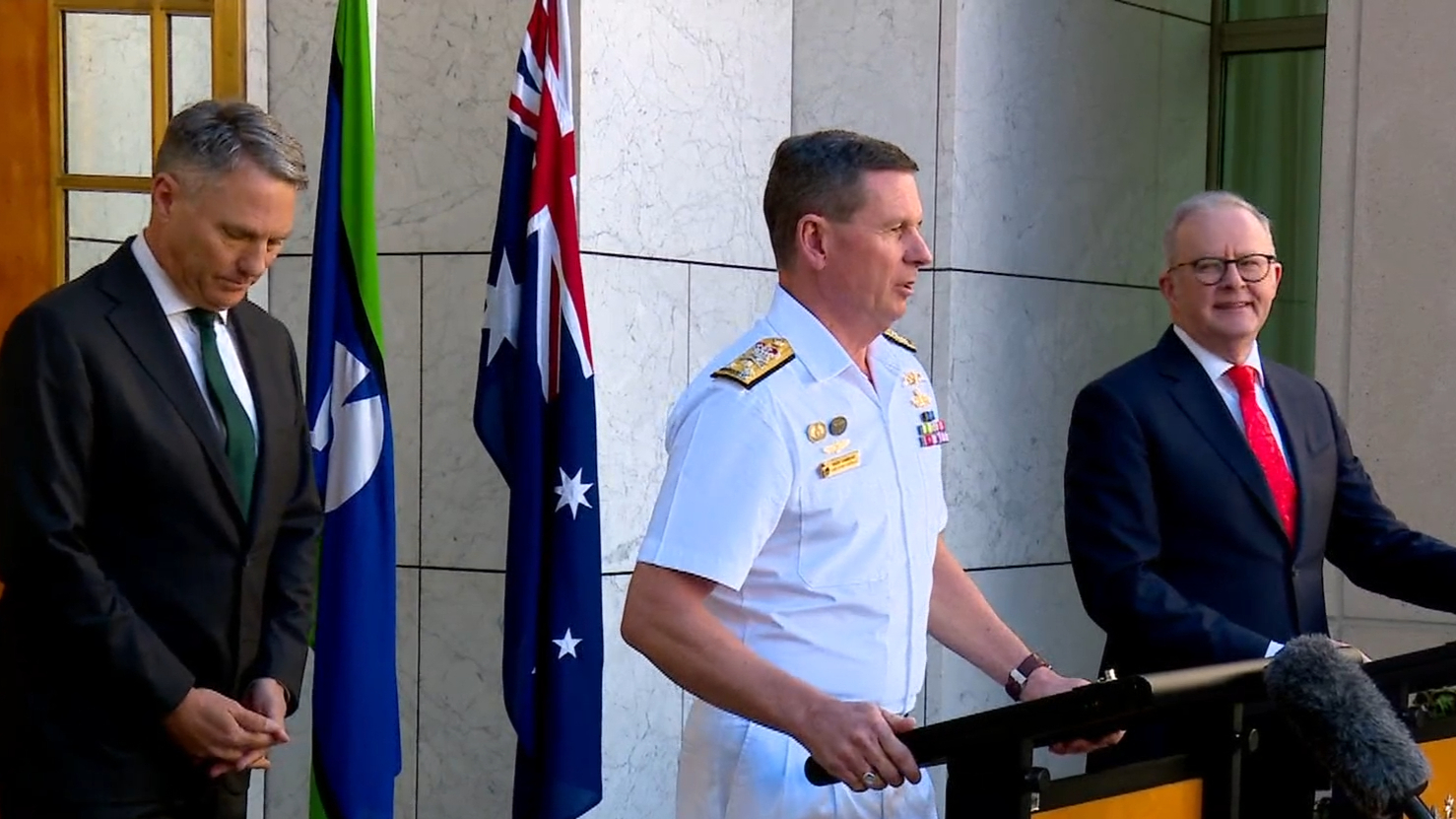
Australia’s Defence Force is undergoing a significant transformation as key leadership roles are set to change. Vice Admiral Mark Hammond, the current head of the Navy, will take on the role of Chief of Defence, marking a major shift in the country’s military hierarchy. This transition follows the retirement of two prominent figures: Admiral David Johnston, the current Chief of Defence, and Lieutenant General Simon Stuart, the Chief of Army.

The new appointments highlight a broader effort to modernize and diversify the Defence Force. Susan Coyle, who has been serving as the Chief of Joint Capabilities, will become the first woman to hold the position of Chief of Army. Meanwhile, Rear Admiral Matthew Buckley will step into the role of Chief of the Navy, succeeding Vice Admiral Hammond.
A New Era for the Australian Defence Force
Vice Admiral Hammond expressed his excitement about the new role during a recent announcement. He emphasized that the appointment reflects the direction the Australian Defence Force (ADF) is taking, which he described as “more amphibious.” This shift aligns with the government’s strategic focus on enhancing maritime capabilities.
One of the most significant developments in this transition is the acquisition of nuclear-powered submarines over the next decade under the AUKUS alliance. This initiative is expected to play a crucial role in strengthening national security and fostering economic growth. The move underscores Australia’s commitment to maintaining a strong and capable defence force in an increasingly complex global environment.
Hammond has been in charge of the Navy since his appointment in 2022. His career in the navy spans over four decades, starting with service on frigates and later commanding submarines and the Australian Fleet. His extensive experience positions him well to lead the ADF through this period of change.
Key Dates and Leadership Transition
The new leadership team will officially take over in July, when Admiral David Johnston steps down after more than 48 years of service in the armed forces. This transition marks a historic moment for the Australian Army, as Susan Coyle will become its first female chief in its 125-year history.
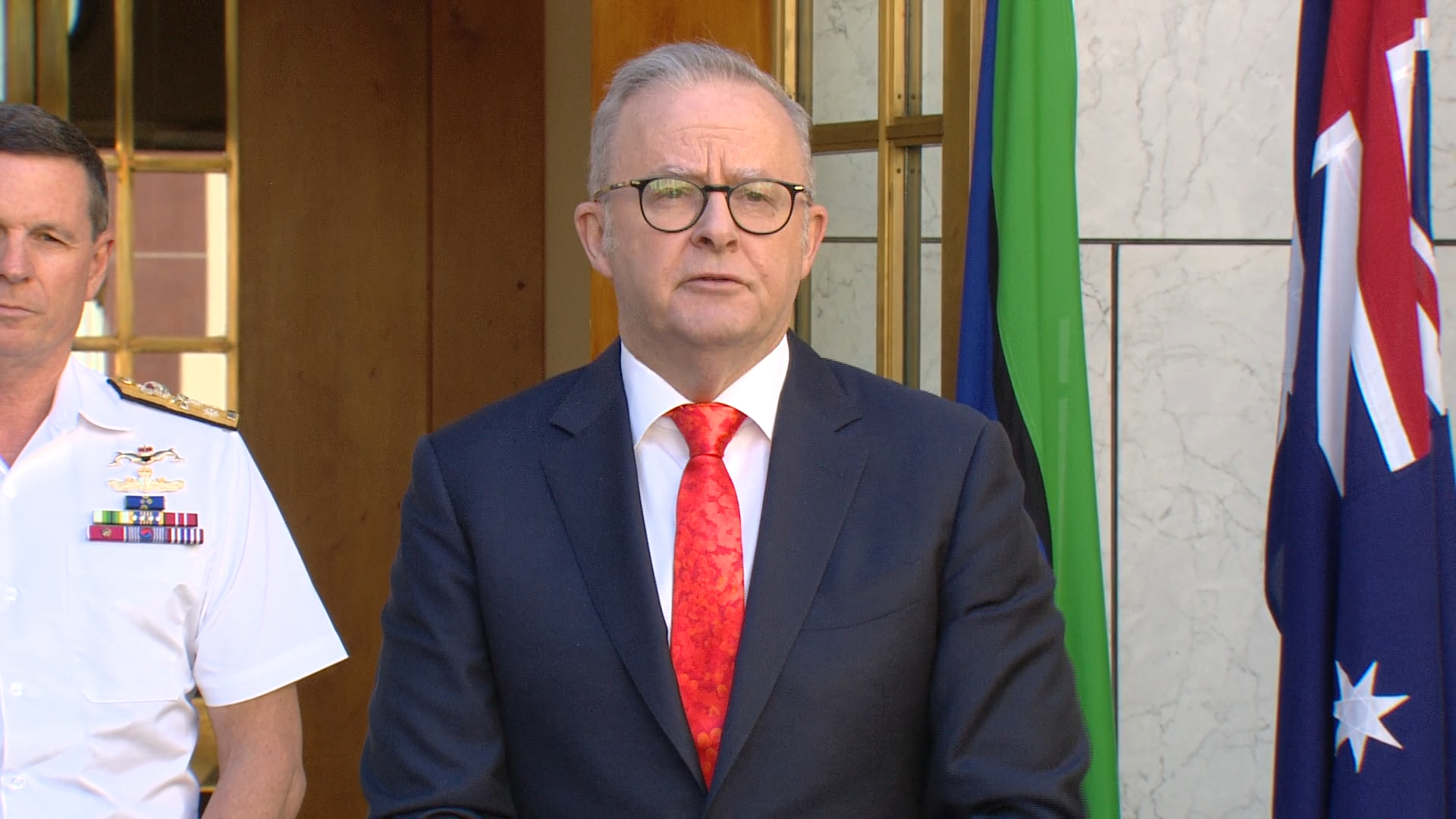
Prime Minister Anthony Albanese welcomed the changes, stating that the Australian Defence Force is committed to keeping Australians safe. He highlighted the significance of having the first woman in the role of Chief of Army, emphasizing the progress being made in gender representation within the military.
Future Challenges and Opportunities
As the ADF moves forward, the focus will be on adapting to new threats and opportunities. The introduction of nuclear-powered submarines represents a major technological advancement, which will require careful planning and coordination. The new leadership team will play a vital role in ensuring that the ADF remains agile and responsive to evolving challenges.
In addition to military preparedness, the government is also looking at how these changes can contribute to economic prosperity. The AUKUS partnership is expected to bring long-term benefits, not only in terms of national security but also in terms of job creation and technological innovation.
Staying Informed
For those interested in following the latest developments, there are several ways to stay updated. News updates can be accessed through various platforms, including mobile applications available on Apple and Google Play. Subscribers can also sign up for breaking news alerts to receive exclusive stories and real-time updates.
By staying informed, Australians can better understand the changes taking place within their Defence Force and the impact these changes may have on the country’s future.