A Unique Approach to Literacy
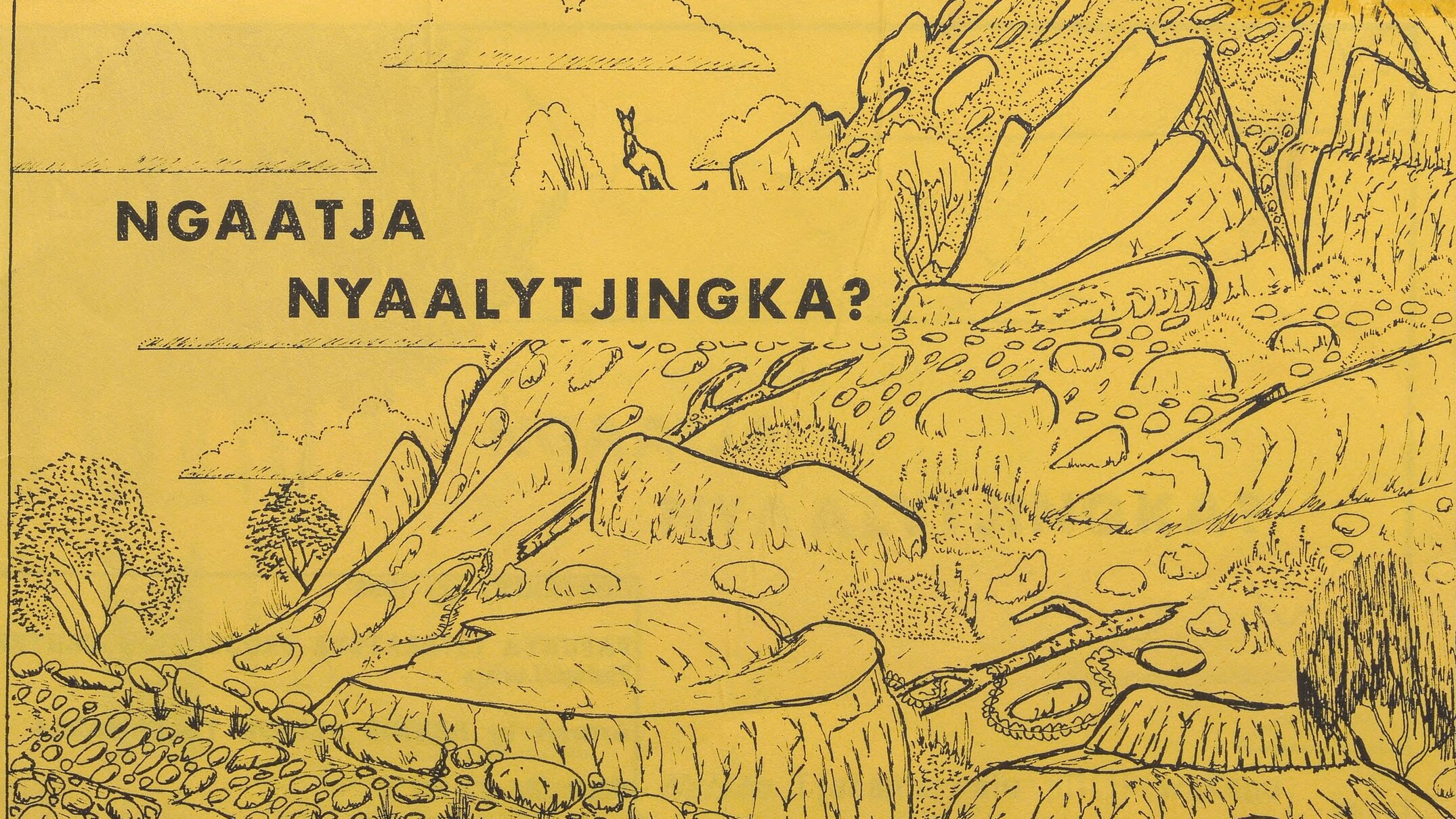
More than 40 years ago, a program was initiated in the remote Papunya community, located approximately 240km north-west of Alice Springs, aimed at helping local children learn to read in their own language. This initiative stood out from traditional school “readers” as it involved collaboration with local pioneers who were part of the celebrated Western Desert art movement. The outcome was a collection of Pintupi-Luritja bilingual literacy tools that told stories about first contact, Dreamings, community life, plants, and animals.
The initiative was driven by a belief that “flood the place with literature,” which was exactly what happened. According to sociologist Professor Vivien Johnson, who worked on digitising the collection, the quality of these books and the artwork and stories is quite extraordinary. It reflects a unique era when Aboriginal people, due to Land Rights legislation and the prevailing social climate, felt empowered to take control of their lives and their children’s education.

The Exhibition: Wangka Wakanutja
These books have led to a new exhibition at the National Library of Australia titled Wangka Wakanutja: The Story of the Papunya Literature Production Centre. The exhibition provides insight into the Papunya community through the books created between 1979 and 1990. These books were guided by the community’s Elders and supported by funding from the Whitlam government.
Personal Memories and Experiences
Priscilla Brown, who was raised in Papunya, recalls the joy the readers brought to children many years ago. She was an author of some of the books and also read them to the children. “I’d go class to class and read stories,” she said. She remembers the children saying excitedly, “Read that story again.”
Roslyn Dixon, who learned to read using the books, remembers watching the artists work and her favourite stories being about a rainbow serpent and a woman who became a widow. “I didn’t know how to read in our language before, and I started by reading little bit by little bit in our language,” she said.
Beyond Children: A Broader Impact
In addition to creating the exhibition and digitising the collection, Professor Johnson published a book based on the illustrations. She noted that it wasn’t only children who learned to read from these books, but also some adults, many of whom had never seen the written word or paper before.
Professor Johnson explained that the books were unlike typical “readers” given to school students. “They’re not simple,” she said. Unlike the usual stories like “Peter went to the shops,” these books featured beautiful drawings filled with detailed landscapes, tracks, birds, lizards, and other elements in the background.
Teaching More Than Just Reading
The creators of the illustrations wanted the children to learn more than just reading, so they incorporated other themes and stories, adding a sense of “richness.” Professor Johnson said the community members sat down and thought about what they wanted the kids to learn. The result was books that taught children in the same style as they would learn from Elders telling stories around the campfire.
Preserving a Cultural Treasure
The readers were stored away for a long time in boxes, according to Professor Johnson. However, she and a colleague worked to preserve them on site in Papunya, ensuring they remained where they were created. “But, in a way, an exhibition like this seemed the only way,” she said. After struggling for so long to get traction in digitising and preserving things, showing people what it was became essential.
The small team wanted people to understand that there was “treasure” in the collection and that it should be preserved. The collection is now on display in the National Library of Australia, which Professor Johnson described as “a dream.” She also hoped that people would appreciate the amazing work done over that decade and gain a glimpse into a world that they otherwise wouldn’t have access to, as these books were written by the community for the community.
Accessing the Collection
Papunya is a hard place to access, but now people can travel there via the exhibition and by viewing the collection in the database Trove. Although the bilingual program no longer runs, Professor Johnson believes the language is still living. “It’s a long way back to a bilingual program, but the language is still living,” she said. “So it’s never too late.”