Concerns Over Untrained Teachers in Early Childhood Education
The Upper East Regional Childhood Development Committee has expressed serious concerns regarding the continued deployment of untrained teachers to kindergarten and nursery schools. This issue, which has persisted for years, is seen as a major threat to the quality of early childhood education and care in the region.
The committee highlighted that the current practice negatively impacts the development and education of young children at a critical stage of their growth. They emphasized that only trained early childhood educators should be assigned to these institutions, where their specialized knowledge is most needed.

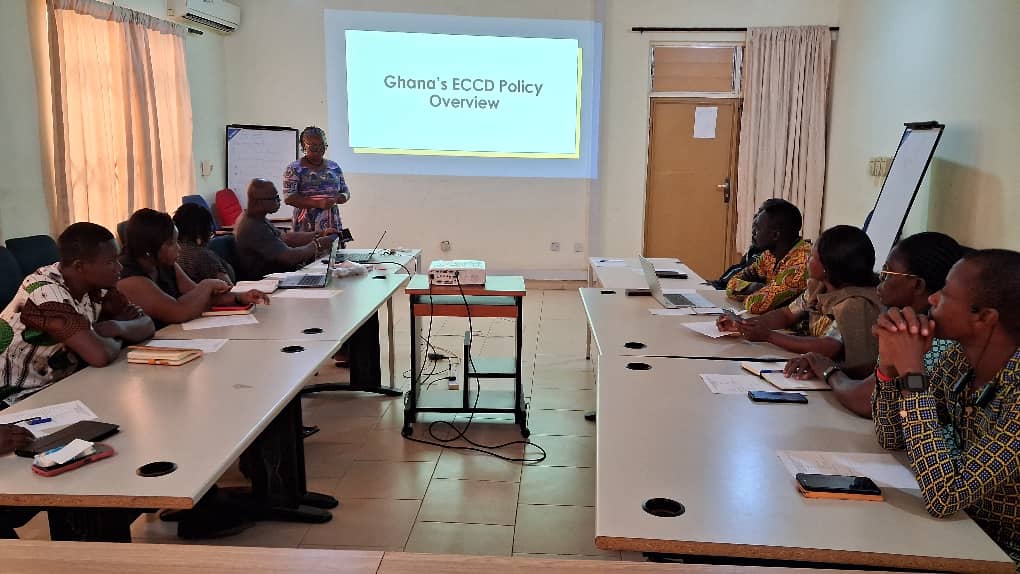
This concern was raised during the first quarter meeting for 2026, held in Bolgatanga. The event was organized by the Upper East Regional Coordinating Council with support from Children Believe. The meeting brought together representatives from various sectors, including the Regional Coordinating Council, Departments of Gender, Children and Social Welfare, Community Development, the Ghana Education Service, Ghana Health Service, the Environment and Sanitation Unit, and civil society organizations.
During the meeting, several key topics were discussed, including the newly launched Early Childhood Care and Development (ECCD) Policy, the development of the Committee’s 2026 work plan, and strategies for resource mobilization.
Challenges Identified
Mrs. Georgina Aberese-Ako, the Upper East Regional Coordinator of the Committee and Acting Regional Director of the Department of Children, shared findings from monitoring visits to schools across the region. She noted that many teachers handling kindergarten and nursery classes lacked proper training in early childhood education.
“There are many schools we have visited in the region, and we have realized that teachers who do not have training in early childhood education are handling kindergarten pupils, and this is affecting their development,” she stated.
Madam Yvonne Wonchua, Assistant Director at the Regional Coordinating Council, attributed the problem to the centralized teacher posting system managed from Accra. This system limits the ability of regional education directorates to make postings based on local needs. She stressed that the government’s proposed decentralization of teacher postings to regional and district levels would be crucial in addressing the issue.
She urged the government to expedite the process to tackle both the shortage of trained teachers and the inappropriate placement of unqualified personnel at the early childhood level.
Infrastructure and WASH Facilities
In addition to the issue of untrained teachers, the Committee also highlighted the lack of adequate infrastructure and poor Water, Sanitation and Hygiene (WASH) facilities as significant challenges affecting early childhood education in the region. These factors further hinder the quality of care and learning environments for young children.
Alhaji Mohammed Issahaku, the Chief Director of the Regional Coordinating Council and Chairman of the Committee, commended the stakeholders for their commitment to early childhood education in the region. He called on all parties to continue working together to address the challenges raised and improve care, teaching, and learning outcomes for children.
Key Takeaways
- Untrained Teachers: The deployment of untrained teachers to early childhood institutions is undermining the quality of education and care.
- Centralized Posting System: The current system limits regional flexibility in assigning teachers based on local needs.
- Infrastructure and WASH: Poor infrastructure and inadequate WASH facilities are major obstacles to effective early childhood education.
- Decentralization: Proposed decentralization of teacher postings could help resolve the issue of inappropriate placements.
- Collaboration: Continued collaboration among stakeholders is essential to address the challenges and improve early childhood education in the region.