Australia Gears Up for the Luminous April Pink Full Moon
Australians are set for a celestial spectacle this week as the April 2026 “pink” full moon graces the night sky. While the moon will technically reach its peak fullness on Thursday, April 2nd, at 1:11 pm AEST, the real show for stargazers Down Under will begin as darkness falls. From approximately 7:30 pm AEST onwards, the moon will be a radiant presence, offering a gentler, yet equally captivating, display compared to last month’s dramatic blood moon lunar eclipse.
This celestial event, often referred to by astronomers as the Paschal Moon, is the fourth of fourteen full moons scheduled for 2026. Its arrival coincides with the Easter long weekend for many, adding an extra layer of magic to the holiday period. Contrary to its evocative name, the April Pink Moon won’t actually display a rosy hue. Its luminescence will be the familiar, cool silver of a full moon, but its low position on the horizon promises a stunning visual experience.

When to Witness the Pink Full Moon Across Australia
The precise moment of the full moon occurs at 1:11 pm AEST on Thursday, April 2nd. However, this falls squarely in the Australian afternoon, meaning the moon will be below the horizon for most of the country at its absolute peak. Fortunately, the moon’s appearance will remain “full” and impressively bright for hours around this time.
To catch the full glory of the April Pink Moon, plan to observe it from around 7:30 pm AEST in your respective state, once the sky has sufficiently darkened.
- New South Wales & Victoria: From approximately 7:30 pm AEST.
- Queensland: From approximately 7:30 pm AEST.
- South Australia: From approximately 7:30 pm AEST.
- Western Australia: From approximately 7:30 pm AEST.
- Tasmania: From approximately 7:30 pm AEST.
- Northern Territory: From approximately 7:30 pm AEST.
Prime Viewing Locations for the April Full Moon
To truly appreciate the grandeur of the full moon, it’s best to escape the light pollution of urban centres. Seek out open spaces with an unobstructed view of the eastern horizon.
- Hilltops and elevated viewpoints: Offer a commanding panorama.
- Coastal headlands and beaches: The reflective surface of the water can amplify the moon’s glow.
- Rural landscapes: Away from city lights, the moon’s brilliance will be significantly enhanced.
Remember to pack a picnic blanket, allow your eyes to adjust to the darkness, and orient yourself towards the east. The moon will take care of the rest, providing a breathtaking natural spectacle.
Unpacking the Meaning Behind the “Pink” Full Moon
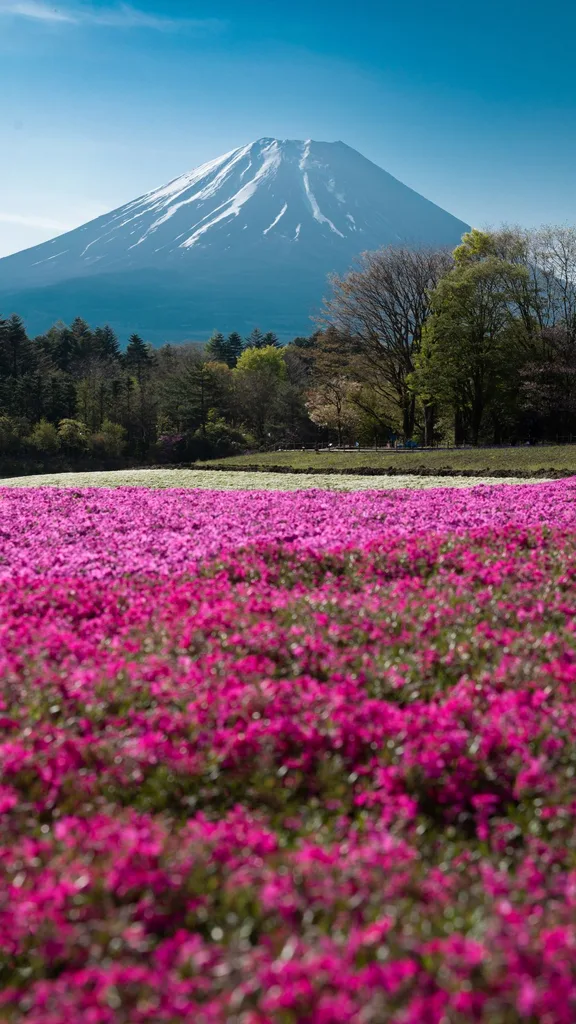
The name “Pink Moon” is a charming misnomer, stemming from traditions far from Australian shores. Unlike the dramatic reds of a blood moon, this lunar event offers no such tint. The moniker originates from North America, where this full moon signifies the arrival of spring and the blooming of the Phlox subulata wildflower. This low-growing plant carpets the ground in a delicate, pale pink haze, inspiring the name.
This naming convention is well-documented, with sources like The Old Farmer’s Almanac tracing its origins to Native American, Colonial American, and European traditions. These cultures often named moons based on the seasons and the natural phenomena they heralded.
Beyond the “Pink Moon” title, this celestial event is known by other evocative names in different cultures:
- The Breaking Ice Moon (Algonquin): Signifying the thaw that liberates frozen landscapes.
- The Budding Moon of Plants and Shrubs (Tlingit): A recognition of the plant world awakening from winter dormancy.
- The Sucker Moon (Anishinaabe): Named for the sucker fish that migrate to shallow waters to spawn during this time.
Furthermore, the April full moon holds significant ecclesiastical importance. Often referred to as the Paschal Moon, it plays a crucial role in determining the dates for both Easter and Passover. This convergence of astronomical timing and religious observance is a rare and meaningful occurrence.
Astrological Insights of the April Pink Full Moon
From an astrological perspective, the April Pink Full Moon rises in Libra, a sign associated with diplomacy, beauty, and the pursuit of balance. This lunar event occurs in a dynamic configuration, squaring off against Cancer, a sign that governs protection, comfort, and emotional security.
Astrologer Kristy Gray highlights that this Libra moon is positioned on a potent Aries-Libra axis, amplified by the ongoing Aries season. “We are working with the tension between the Sun in Aries (the ‘I am’—our core identity and dreams) and the Moon in Libra (the ‘We are’—our collaborations and connections),” Gray explains. She likens this lunar event to a celestial “spring clean,” encouraging individuals to place their personal aspirations at the forefront of their lives and critically evaluate other aspects of their existence in relation to these core desires.
Libra’s rulership over partnerships makes this an opportune time to review your social connections and ensure they align with your goals for the coming year. As the ruler of art, beauty, and balance, the Libra full moon’s energy can be harnessed to restore equilibrium to any area of your life that feels out of sync. “Whether it’s a physical declutter of your space or a boundary reset in a relationship, the goal is to create a sense of equilibrium that supports personal growth,” Gray advises.
Clarifying the Timing: April or March 2026?
While the April Pink Moon traditionally falls in April, its peak occurrence in the middle of the day on April 2nd means that its fullness will be most apparent and observed towards the tail end of March for those looking at the moon’s appearance rather than its precise astronomical peak.
What’s Next on the Lunar Calendar?
Following the April Pink Moon, the next full moon to grace the Australian skies will be the Flower Moon. This event, typically associated with the abundant blooms of May in the Northern Hemisphere, will rise on May 2nd.