New Minister Faces Steep Climb in Tourism and Aviation Sectors
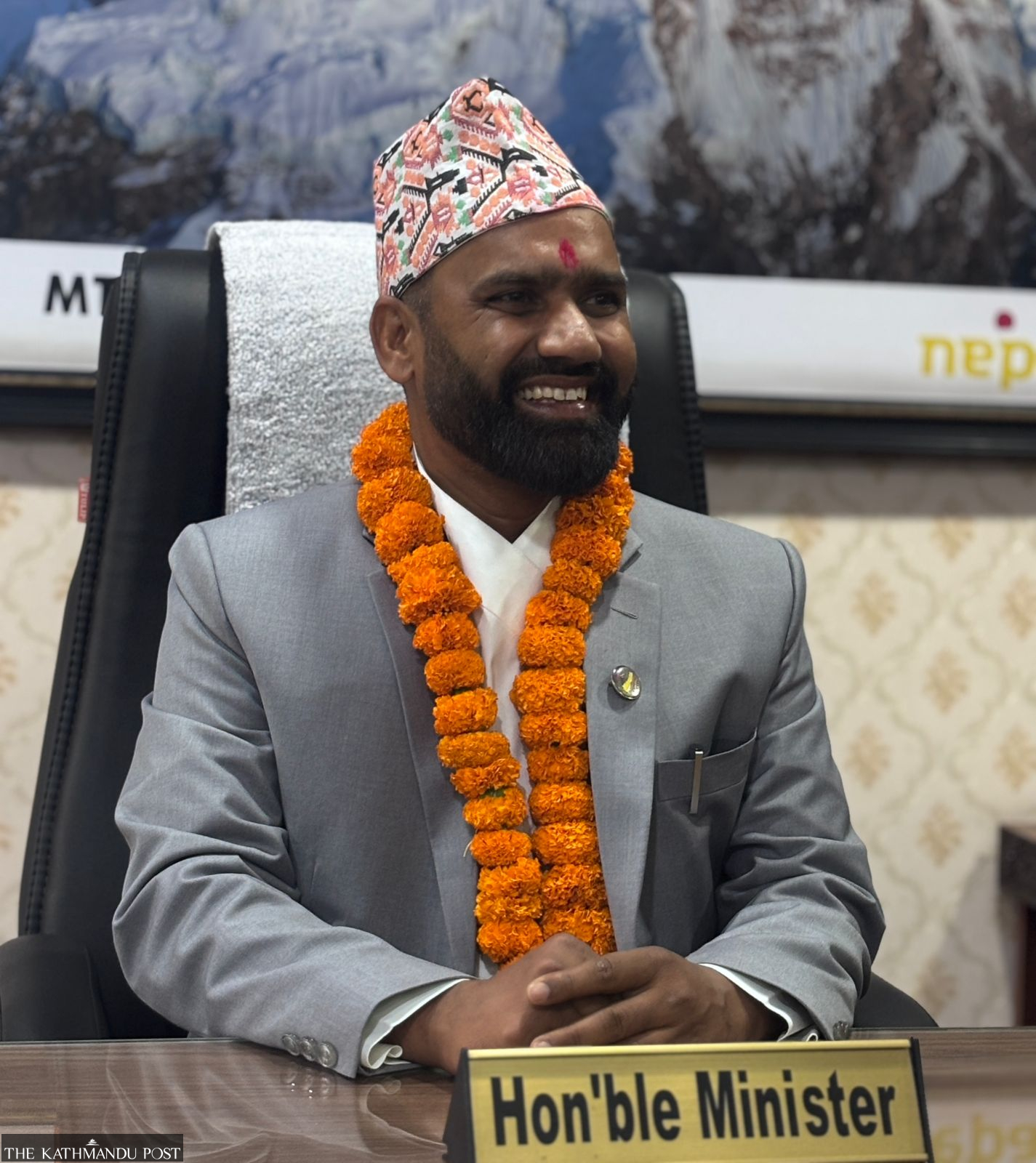
Kathmandu, Nepal – In a significant appointment within Nepal’s current administration, Ganesh Paudel, a figure well-regarded for his contributions to literature, education, and social activism, has been sworn in as the Minister for Culture, Tourism, and Civil Aviation. Leading the ministry under Prime Minister Balendra Shah’s government, Paudel inherits a portfolio burdened with numerous long-standing challenges that have hampered the growth and international standing of Nepal’s vital tourism and aviation industries.
Paudel, a permanent resident of Majheripatan in Pokhara metropolis, brings a diverse academic and professional background to his new role. He holds a Bachelor’s degree in English Literature and an MBA from Pokhara University, complemented by over 15 years of experience in teaching. His commitment to fostering intellectual engagement is evident through his work with the Random Readers Society, an organization dedicated to promoting a culture of reading. Furthermore, his innovative literary endeavors, including experimental works like “Paitala” (Sole), have been credited with introducing fresh perspectives to contemporary Nepali literature.

Beyond his literary and educational pursuits, Paudel is recognized as a proponent of an alternative political philosophy, encapsulated by the motto “Win by ideas, endure through character.” He is also the driving force behind the “Ateri” (Stubborn) campaign, reflecting a determined approach to addressing societal issues. As a central committee member of the Rastriya Swatantra Party, Paudel’s transition into a ministerial position places him at the forefront of critical national development efforts, where he will need to leverage his unique blend of intellectualism and activism.
Persistent Hurdles in Nepal’s Tourism and Aviation Landscape
Nepal’s tourism sector, long considered a cornerstone of its economy, continues to grapple with deep-seated structural weaknesses. These include issues of inadequate management, a lack of cohesive policy frameworks, and persistent ambiguity in regulatory directives. The aviation sector, in particular, remains under intense international scrutiny, casting a shadow over Nepal’s connectivity and safety reputation.
A prominent example of this scrutiny is the ongoing ban imposed by the European Union on Nepali airlines operating within its airspace. This restriction, in place since 2013, highlights persistent concerns regarding Nepal’s adherence to international aviation safety standards. The inability to lift this ban significantly limits air travel options for Nepalis and hinders the broader economic benefits that could be derived from international tourism.
Challenges Facing Nepal Airlines Corporation
The national flag carrier, Nepal Airlines Corporation, is currently burdened by a substantial debt of approximately NPR 52 billion. This financial strain is exacerbated by a confluence of factors, including weak management practices, susceptibility to political interference, and a conspicuous absence of a clearly defined commercial strategy. These internal deficiencies have severely impacted the airline’s operational efficiency and its ability to compete effectively in the global market.
Despite having established Air Service Agreements with 42 countries, Nepal has struggled to capitalize on these opportunities to expand its flight routes to numerous potential destinations. The primary impediments include a limited aircraft fleet, underdeveloped market penetration strategies, and the formidable challenge of competing with established international carriers.
Infrastructure Development and Operational Inefficiencies
Significant investments have been made in developing new international airports, such as those in Pokhara and Bhairahawa. However, these ambitious projects have yet to achieve their full operational capacity, representing a substantial underutilization of national resources. Concurrently, Tribhuvan International Airport in Kathmandu is experiencing increasing pressure due to rising passenger and cargo volumes. This escalating demand complicates management efforts and further delays the implementation of crucial infrastructure upgrades outlined in the airport’s master plan.
The broader aviation sector is in urgent need of comprehensive reform. A key area of concern is the dual role of the Civil Aviation Authority of Nepal (CAAN), which functions simultaneously as both the industry’s regulator and a service provider. This inherent conflict of interest raises serious questions about transparency, accountability, and the overall efficiency of regulatory oversight.
Issues Across Allied Tourism Sectors
Beyond aviation, other tourism-related sectors are similarly afflicted by a range of problems. These include:
- Hyatt Regency Share Dispute: Ongoing disputes over shareholding at the Hyatt Regency hotel have created instability within a key hospitality establishment.
- Pashupati Area Encroachment: Concerns have been raised regarding the encroachment on properties within the sacred Pashupati area, indicating a lapse in land management and preservation efforts.
- Lumbini Development Project Delays: The Lumbini Development Project, a significant cultural and religious initiative, continues to face delays, hindering its progress and potential to attract international visitors.
- Janakpur Development Committee Inactivity: The Janakpur Development Committee remains largely inactive, failing to contribute to the development and promotion of the historically and culturally rich Janakpur region.
These issues collectively underscore a pervasive weakness in governance and administrative oversight across the tourism ecosystem.
Challenges in Mountain Tourism and Policy Inconsistencies
The burgeoning field of mountain tourism, a significant draw for international trekkers and climbers, is not without its own set of challenges. Issues such as inadequate waste management, the prevalence of unregulated practices by tour operators, and controversies surrounding the appointment of liaison officers threaten to tarnish Nepal’s pristine image and jeopardize the sustainability of these natural attractions.
Further policy inconsistencies have been observed in the tourism sector. The practice of charging foreign travelers exorbitant airfares in US dollars for domestic flights, and the apparent inaction on reports of ticket price collusion during the COVID-19 pandemic, highlight a lack of decisive policy enforcement and a potential disconnect between official pronouncements and on-the-ground realities.
A New Era of Opportunity and Responsibility
Against this complex backdrop, Ganesh Paudel’s appointment presents a dual prospect: a significant opportunity to enact meaningful change and a formidable challenge to overcome deeply entrenched problems. High expectations are placed upon his shoulders, with the hope that his reform-oriented vision and unconventional ideas can translate into tangible action. By focusing on structural reforms, fostering greater transparency, and diligently working to rebuild international credibility, Paudel has the potential to steer Nepal’s tourism sector towards a more sustainable and competitive future. The success of his tenure will be measured by his ability to navigate these intricate issues and deliver tangible improvements for the nation’s economy and its global standing.