Jannat Al-Baqi: The Sacred Cemetery of Medina and Its Tumultuous History
Jannat Al-Baqi, often translated as “The Garden of Tree Stumps,” holds a profound and sacred place in the history of Islam. Situated adjacent to the Prophet’s Mosque in Medina, it is recognized as the oldest cemetery in Islamic tradition and serves as the final resting place for numerous revered figures who were closely associated with the Prophet Muhammad, including his infant son, companions, and wives. For centuries, this hallowed ground was a site of immense spiritual significance for Muslims, particularly those visiting for Hajj. However, its historical narrative is marked by periods of veneration followed by devastating destruction.
The spiritual importance of Jannat Al-Baqi stems from the distinguished individuals interred within its boundaries. These were not merely ordinary individuals but figures who walked alongside the Prophet Muhammad, sharing in the nascent stages of Islamic history. The cemetery’s significance is further underscored by its direct proximity to the Prophet’s Mosque, making it a natural focal point for remembrance and devotion.

Revered Figures and Prophetic Connections
The legacy of Jannat Al-Baqi is intrinsically linked to the esteemed personalities buried there. As documented in scholarly works, the cemetery is synonymous with Islamic piety, and for many Muslims, being buried in this sacred ground during a pilgrimage to Medina is a deeply held aspiration.
Among the prominent figures laid to rest in Jannat Al-Baqi are:
- Ibrahim: The infant son of the Prophet Muhammad.
- Fatimah and Ruqayyah: Daughters of the Prophet Muhammad.
- Othman Ibn Affan: The third Caliph of Islam.
- Hassan ibn Ali: A grandson of the Prophet Muhammad and the second Imam of Shia Islam.
- Malik Ibn Anas: A renowned jurist and the founder of the Maliki school of Sunni jurisprudence.
Furthermore, accounts indicate that Othman Ibn Madhoun, the Prophet’s first male companion to pass away, who died in the third year after the Hijra, is also buried in Jannat Al-Baqi. The respect for this cemetery and its inhabitants extended beyond mere burial; it is believed that the Prophet Muhammad himself would visit the graveyard and offer salutations to those interred, expressing peace and praying for their forgiveness.
A Place of Devotion and Local Custom
Beyond its status as a burial ground for distinguished individuals, Jannat Al-Baqi was a vibrant center for the local community of Medina. Inhabitants frequently visited the cemetery, standing by the tombs to recite verses from the Quran, Hadith (sayings and actions of the Prophet), and to offer prayers for their personal needs and desires.
Historical accounts, such as those by a native Madanite named Muhammad Kibrit, highlight specific practices associated with the cemetery. Kibrit recommended visiting the tomb of Ismail Ibn Jaafar Al-Sadiq on the 10th day of Dhu al-Hijjah to have prayers answered. The recommended ritual involved reciting the Fatiha and Ikhlas chapters of the Quran one hundred times each at his tomb, a practice believed to ensure the fulfillment of supplications.
These devotional practices were deeply ingrained in the daily lives of Medina’s residents, passed down through generations. The significance of Jannat Al-Baqi thus transcended the mere honoring of the deceased; it was a place where a widespread belief held that specific prayers could be answered through dedicated visits and the performance of certain rites.
The Destruction of Jannat Al-Baqi and Wahhabi Iconoclasm
These deeply rooted practices and the veneration of tombs at Jannat Al-Baqi came under sharp criticism from the Wahhabi movement. This ideological stance led to the destruction of the sacred site on two significant occasions.
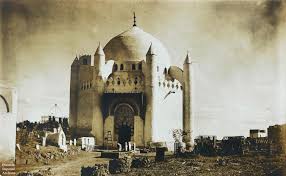
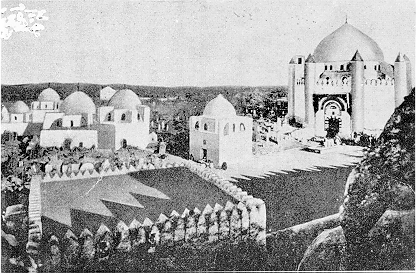
The first major destruction occurred in 1806, following a change in the city’s governance. During this period, the domes and any structures adorning the tombs within the cemetery were razed. However, these structures were later rebuilt by Sultan Abdul Hamid II, the 34th Sultan of the Ottoman Empire, who sought to restore and preserve the historical and religious integrity of the site.
Tragically, this restoration was short-lived. After the cessation of Ottoman services to the holy sites of Mecca and Medina, Jannat Al-Baqi faced another wave of destruction. By 1925, forces aligned with the Wahhabi-Saudi alliance once again demolished the domes, cupolas, and mausoleums that decorated the cemetery. This act is often interpreted as a manifestation of the Wahhabi movement’s staunch opposition to what they perceive as “shirk” (associating partners with God) through the veneration of tombs and sacred sites.
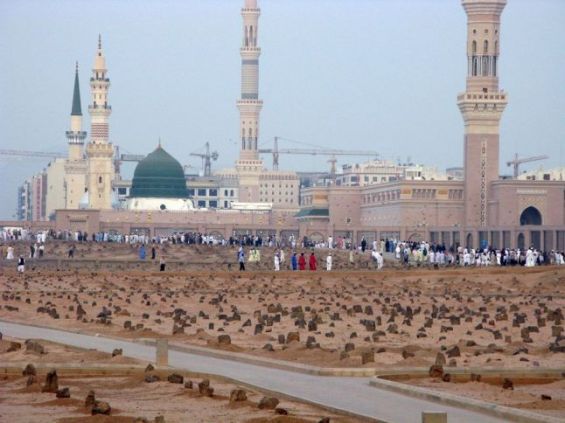
Today, Jannat Al-Baqi exists as an open field adjacent to one of the holiest mosques in the world. Despite its physical devastation, its historical significance for Muslims remains profound, and its destruction continues to be a source of deep sorrow and remembrance for many worldwide.