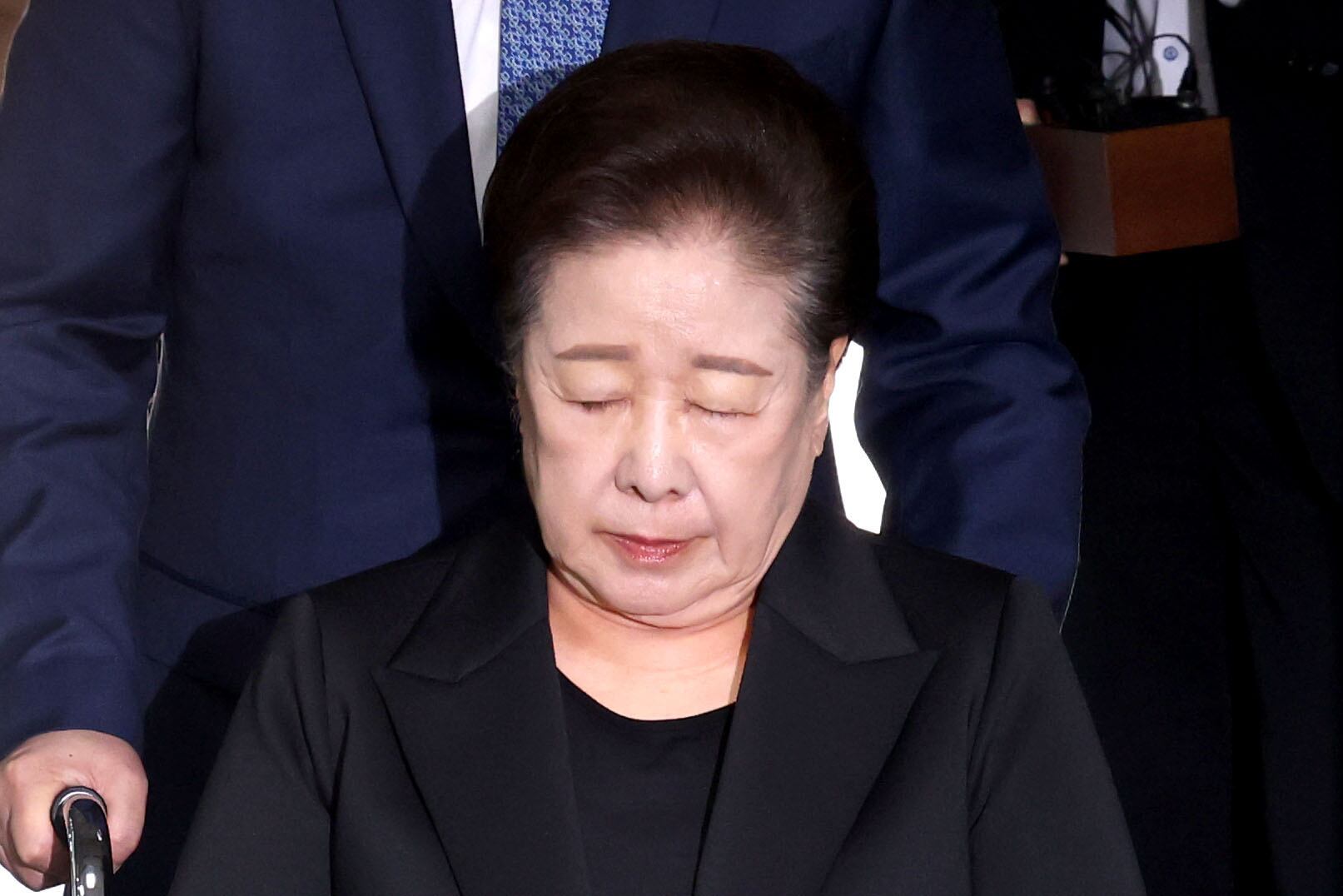

Allegations of Distorted Evidence Surface in Unification Church Political Funding Case
A significant controversy has erupted concerning allegations that crucial evidence in a case involving illegal political funding and potential collusion between religion and politics has been deliberately manipulated. The focus of this dispute is a document, a so-called “special report,” purportedly from the Unification Church, which is central to the accusations against Kweon Seong-dong, a lawmaker with the People Power Party. Kweon is suspected of receiving 100 million Korean won in illegal political funds from the Unification Church.
The core of the controversy lies in the dating of this “special report.” A special counsel investigating the matter claims the document was authored on January 3, 2022, by Yun Young-ho, former global head of the Unification Church. This report, allegedly submitted to Han Hak-ja, the church’s president, reportedly mentioned the name “Kweon.” The special counsel posits that Yun subsequently delivered the 100 million Korean won to Kweon on January 5, 2022, two days after this report.

However, new claims have emerged suggesting that the “special report” was, in fact, written in 2023, not 2022. This assertion has led to accusations that the special counsel has distorted facts to construct their case.
Discrepancies in Document Dating
Sources close to the matter revealed that the Seoul Southern District Prosecutors’ Office, which initially seized the “special report,” determined its date to be January 3, 2023. This finding contrasts sharply with the special counsel’s assertion of a 2022 date.
The “special report” is described as a document prepared by Yun Young-ho to summarize information for an oral briefing to Han Hak-ja regarding church affairs. Typically, such documents feature the date at the top, followed by the report’s content.
The Unification Church has strongly argued that the special counsel has fabricated charges based on manipulated documents. Their contention is rooted in several elements within the report that make a 2022 date highly improbable:
- Explicit Year Mention: Beyond the date at the top, the report explicitly states the year “2023.”
- Seasonal References: The document includes the phrase “2023 New Year’s greetings,” which is incongruous with a 2022 date.
- Attached Media: A Japanese media article published in November 2022 is attached to the report, further suggesting a post-2022 creation date.
These discrepancies led the Seoul Southern District Prosecutors’ Office, during its initial investigation, to record the report’s date as January 3, 2023, in its investigation report dated April 28. Conversely, the special counsel, upon taking over the case, designated the date as January 3, 2022. This dating allowed the special counsel to conclude that Yun reported the matter to Han Hak-ja and subsequently facilitated the transfer of 100 million Korean won to Kweon prior to their alleged meeting.
Court Proceedings and Defense Arguments
The allegations of distorted evidence gained further traction during the trial of Han Hak-ja, Yun Young-ho, and others. They are facing charges related to violations of the Political Funds Act and the Anti-Graft Act. The trial, held on the 19th at the Seoul Central District Court’s Criminal Division 27, saw Han Hak-ja’s defense team present their arguments.
During the proceedings, Han Hak-ja’s side declared, “After analyzing Yun’s special report, we discovered significant issues. We believe there has been distortion and manipulation.”
In response to these accusations, the special counsel acknowledged awareness of a “date typo” during their investigation. However, they defended their position by stating, “We specified the date by cross-referencing other materials.”
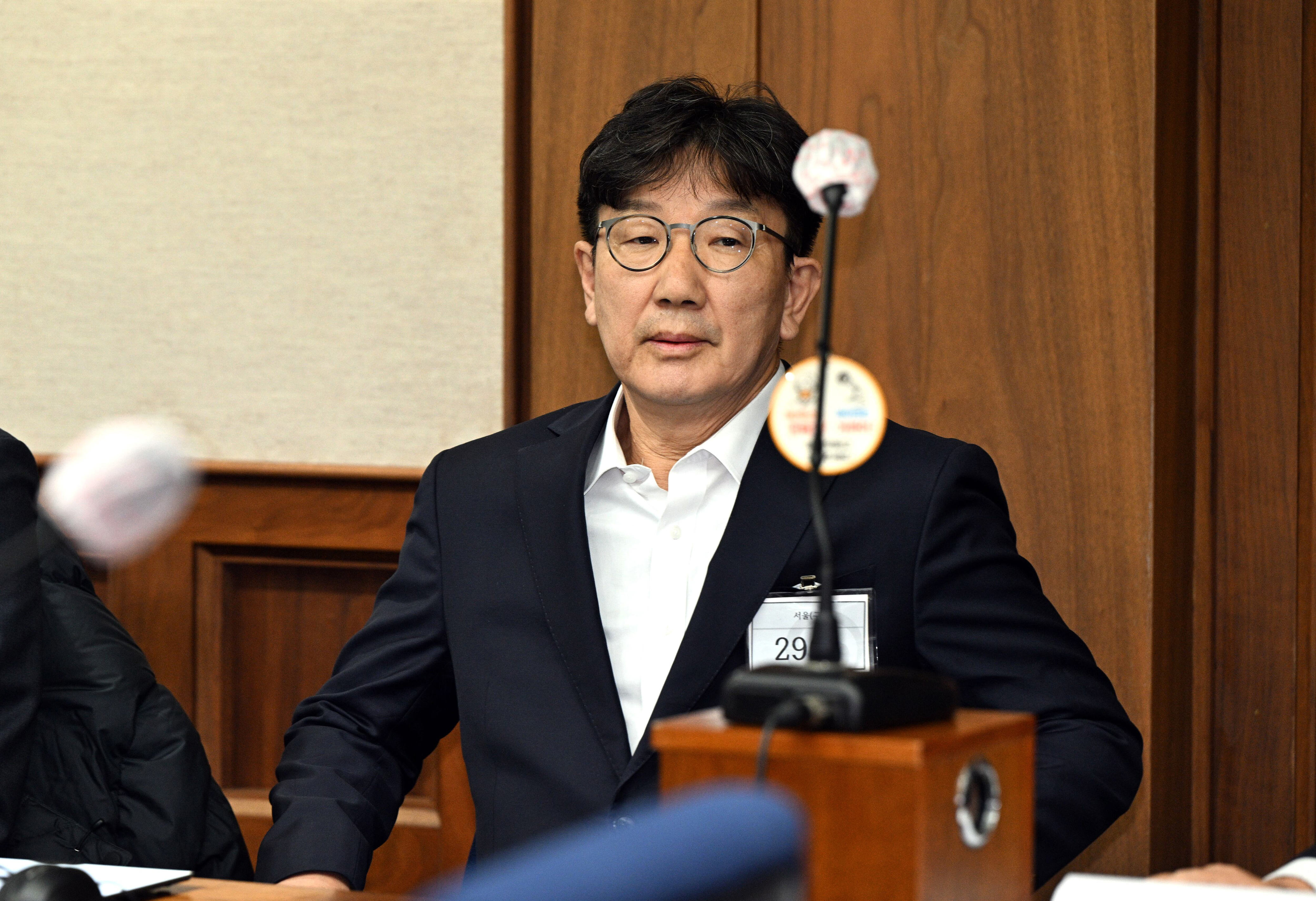
Sentencing Request and Public Trust
The special counsel recently requested a four-year prison sentence for Kweon Seong-dong. Kweon has been indicted and detained on charges of receiving 100 million Korean won in illegal political funds from the Unification Church.
The prosecution articulated its reasoning: “Despite his duty as a senior lawmaker to uphold constitutional values and protect citizens’ rights, Kweon colluded with a specific religious organization and accepted a large sum of 100 million Korean won, undermining constitutional values and betraying public trust.”
The sentencing for Kweon Seong-dong is scheduled to take place on January 28 of the following year. The ongoing dispute over the authenticity and dating of the “special report” is expected to play a pivotal role in the unfolding legal proceedings and the ultimate determination of guilt or innocence. The case highlights the complex interplay between political funding, religious organizations, and the integrity of evidence in judicial processes.