Senator Slams Hastings’ ‘Miscalculated’ Iran Stance
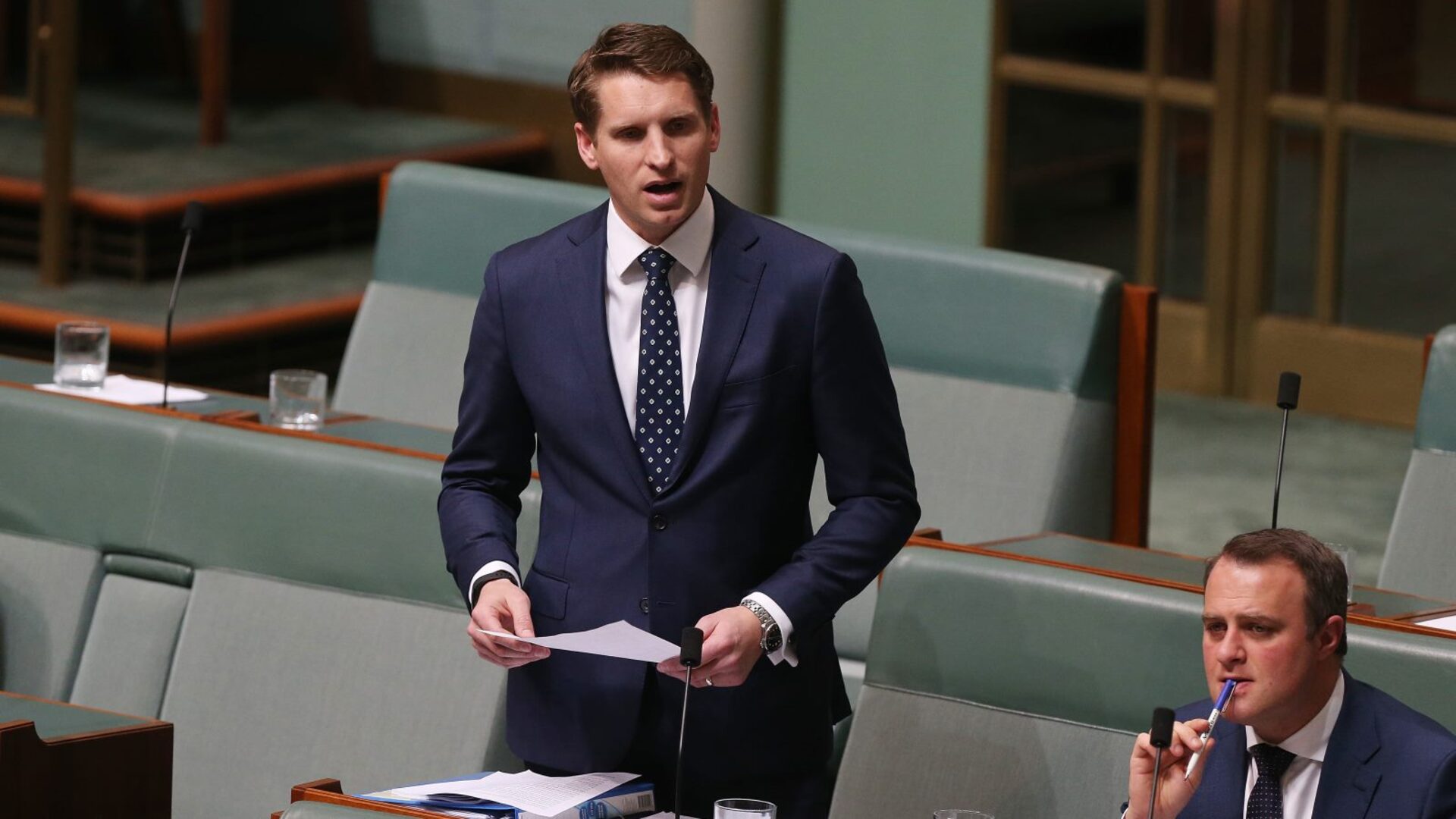
Labor Senator Raff Ciccone has publicly expressed his disappointment and disagreement with comments made by Liberal MP Andrew Hastie regarding the recent conflict involving Iran. Hastie, a figure acknowledged for his service to Australia, had reportedly labelled the situation a “huge miscalculation.” Senator Ciccone, however, strongly refuted this assessment, arguing that Hastie’s remarks were themselves “miscalculated.”
Speaking on Sky News, Senator Ciccone articulated his perspective, emphasising the critical role of international efforts in fostering global peace and stability. “I think the comment by Andrew, who I must say is someone who I respect and acknowledge his service to this country, on this occasion, is miscalculated,” Mr Ciccone stated. He went on to highlight the importance of actions taken by the United States and Israel. “I think the efforts by the United States and the state of Israel are important in efforts to make sure that we do have peace and stability, not just in the Middle East and the broader region, but around the world.”

Labor Senator Raff Ciccone criticises Andrew Hastie for claiming the Iran war was a huge miscalculation.
“I think the comment by Andrew, who I must say is someone who I respect and acknowledge his service to this country, on this occasion, is miscalculated,” Mr Ciccone told Sky News host Sharri Markson.
“I think the efforts by the United States and the state of Israel are important in efforts to make sure that we do have peace and stability, not just in the Middle East and the broader region, but around the world.
“I’m disappointed by the comments by Andrew.”
Senator Ciccone’s comments underscore a divergence in political viewpoints concerning foreign policy and the interpretation of international conflicts. While acknowledging Hastie’s standing and contributions, Ciccone made it clear that he found the specific criticism of the Iran situation to be an inaccurate reflection of the complex geopolitical landscape.
The Nuances of International Diplomacy and Regional Stability
The Senator’s remarks bring to the fore the intricate nature of achieving peace and security in volatile regions like the Middle East. The assertion that actions by the US and Israel contribute to global stability suggests a belief in a proactive approach to conflict resolution and deterrence. This perspective often involves a complex calculus of diplomatic pressure, military readiness, and strategic alliances, all aimed at preventing wider conflagrations and safeguarding international interests.
- Geopolitical Considerations: The Middle East remains a focal point of global attention due to its strategic importance and the persistent challenges to regional stability. Various actors, both within and outside the region, engage in diplomatic and security initiatives to navigate these complexities.
- Role of International Powers: The involvement of major global powers like the United States is often seen as a crucial element in maintaining a semblance of order. Their diplomatic efforts and security commitments can influence the dynamics of regional conflicts and contribute to de-escalation.
- Israeli Security Concerns: Israel’s security is a paramount concern for its government, and its actions are frequently shaped by perceived threats from neighbouring states and non-state actors. These actions, whether defensive or preemptive, are often framed as necessary for its survival and the well-being of its citizens.
- Broader Global Impact: The Senator’s emphasis on “peace and stability… around the world” highlights the interconnectedness of global security. Instability in one region can have ripple effects, impacting trade, energy markets, and international relations on a much wider scale.
Senator Ciccone’s disappointment with Hastie’s comments suggests a belief that such pronouncements could undermine diplomatic efforts or misrepresent the strategic rationale behind the actions of key international players. It raises questions about how best to analyse and comment on sensitive foreign policy issues, particularly when they involve ongoing conflicts and delicate negotiations. The debate between Ciccone and Hastie, though specific to the Iran situation, reflects a broader discussion within political circles about the appropriate framing and assessment of international interventions and their perceived success or failure. The Senator’s defence of the efforts by the US and Israel implies a confidence in their strategic objectives and their contribution to a more secure global environment, even if such actions are met with criticism.