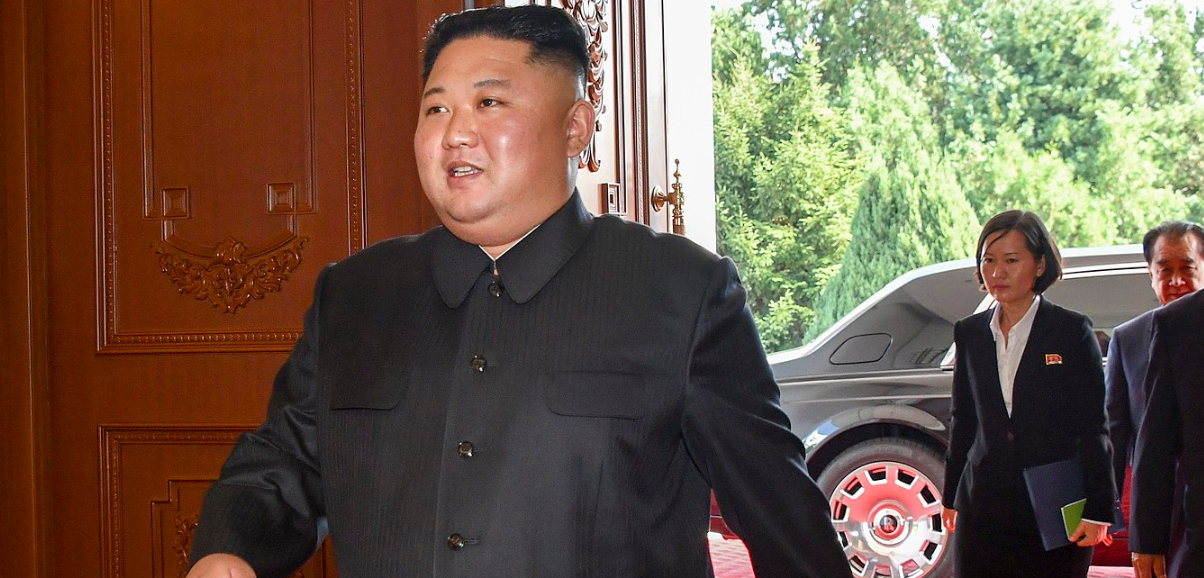
Gruesome Allegations Surface: North Korean General Reportedly Executed by Piranhas
The secretive nature of the North Korean regime makes independent verification of claims exceedingly difficult. Information emerging from the isolated nation is often shrouded in an opaque veil, leaving the international community to piece together fragmented reports and unsubstantiated accounts.
Recent reports, citing UK intelligence sources, have painted a grim and frankly shocking picture of alleged executions within North Korea. According to the Daily Star, an unnamed North Korean general is said to have met a brutal end, reportedly executed by being placed into a tank filled with piranhas.

The extraordinary claim suggests that the high-ranking official was accused of plotting a coup against the current leadership. The alleged incident is said to have transpired at the residence of Kim Jong-un in Ryongsong. However, it is crucial to reiterate that these accounts have not been independently confirmed by any other media outlets or official bodies, underscoring the persistent challenges in obtaining verifiable information from North Korea.
Graphic Details of Alleged Brutality
The alleged method of execution, as detailed in the reports, is particularly disturbing. It is suggested that the unnamed general was not simply thrown into the tank but was reportedly injured prior to being submerged. The exact cause of death remains unclear, with sources speculating it could have been a combination of the piranhas’ attacks, the pre-existing wounds, or drowning.
The tank itself is said to have been stocked with a significant number of piranhas, which were allegedly imported from Brazil. The sheer exoticism and barbarity of such a method raise significant questions and highlight the extreme measures that, according to these reports, are being employed. The graphic nature of these details, while deeply unsettling, is a hallmark of the unsubstantiated narratives that occasionally emerge from the tightly controlled North Korean state. The inability of other news organisations to verify these specific details further emphasizes the inherent difficulties in confirming such extreme allegations.
A Reign of Fear and Deterrence
A source quoted in the Daily Star offered a stark assessment of the leadership in Pyongyang, stating, “Kim rules by fear.” This sentiment is often echoed by analysts who study the North Korean political landscape. The report suggests that such public and brutal displays of punishment are intended to serve as a powerful deterrent against any form of dissent or opposition within the regime.
The execution of individuals accused of being “enemies of the state” is reportedly carried out in public, a tactic designed to instill widespread fear and discourage any thoughts of rebellion. This aligns with long-held observations by experts that displays of overwhelming power and ruthlessness are integral to maintaining control in North Korea. The regime appears to rely on creating a pervasive culture of fear to solidify its grip on the population and eliminate any perceived threats to its authority.
Unverified Narratives and Historical Parallels
Intriguingly, the report also posits that the alleged method of execution may have been inspired by a scene from a James Bond film. This detail, if true, would add another layer of sensationalism to an already extraordinary claim. While difficult to confirm, it speaks to the often-unusual justifications and inspirations that are alleged to underpin the actions of the North Korean leadership.
It is important to note that past reports have indeed documented the executions of senior North Korean officials. However, the specific details surrounding these events have frequently been elusive and challenging to verify. The secrecy that permeates the North Korean state means that any accounts, especially those detailing extreme violence, should be approached with a significant degree of caution. The limited access to the country and its internal affairs makes independent verification an almost insurmountable challenge, leaving many reports in the realm of speculation.
The latest claims, while deeply disturbing, serve to underscore the profound limitations faced by journalists and researchers when attempting to understand and report on the inner workings of North Korea. The challenge of corroborating information in such a closed society remains a significant obstacle to forming a clear and accurate picture of events.