Escalating Tensions: A Grinding Standoff in the Middle East
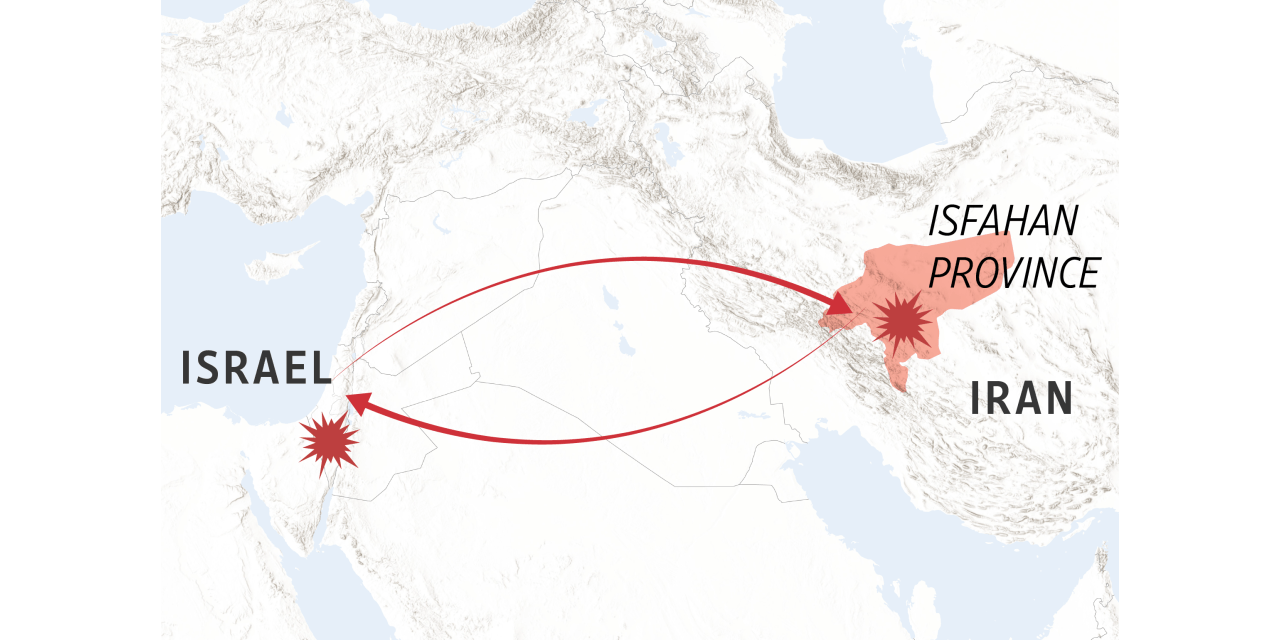
What began with swift, targeted strikes by the United States and Israel on Iran a month ago has now devolved into a protracted and complex standoff, with no immediate resolution in sight. The initial salvos, launched on February 28th, resulted in the deaths of several high-ranking Iranian officials, including Supreme Leader Ali Khamenei. This was met with a wave of retaliatory missile and drone attacks targeting Israel, various US military installations, and critical infrastructure across the Gulf region.
Years of simmering tensions, primarily fuelled by concerns over Iran’s nuclear program and its expanding regional influence, have now erupted into open conflict. Diplomatic efforts appear to be faltering as both sides dig in, entrenching their positions and escalating the violence.

The Human Cost on the Ground
Within Iran, the escalating violence is exacerbating an already dire human rights situation. Daily reports from inside the country paint a grim picture, featuring harrowing images of damaged residential areas, overwhelmed medical facilities struggling to cope with the influx of casualties, and families forced to flee their homes in the face of relentless, tit-for-tat attacks.
One particularly devastating incident, the US airstrike on a school in Minab, southern Iran, which claimed the lives of dozens of young girls, starkly illustrates the scale of the destruction. It also brings into sharp focus the complex and often murky legal questions surrounding the conflict.
Investigators tasked with examining potential war crimes in the future will undoubtedly face critical questions. Was the school a legitimate civilian target? Was it being used for military purposes? What precautions were taken by all parties to minimise civilian harm? And was the resulting civilian damage disproportionate to any conceivable military advantage? Answering these questions will be crucial for determining responsibility, but achieving such clarity is likely to be a long and arduous process.
The Ambiguity of Accountability: When Law is Clear, but Justice Isn’t
Many international observers have already voiced concerns regarding the seemingly tenuous legal justifications underpinning the current conflict. The US position, as articulated in a formal letter to the United Nations, hinges on the invocation of self-defence and the protection of Israel against an alleged imminent threat posed by Iran and its allied groups. However, some legal experts have characterised this stance as weak.
Others have gone further, arguing that strikes explicitly aimed at achieving regime change within Iran are inherently unlawful. They point to the United Nations Charter’s prohibition on the use of force against the political independence of any state and the fundamental principle of non-intervention in the internal affairs of sovereign nations.
At this juncture, it appears highly probable that holding any side accountable for alleged international crimes committed during this ongoing conflict will remain an elusive goal.
Obstacles to International Justice
Several significant hurdles stand in the way of international accountability:
- Jurisdiction of the International Criminal Court (ICC): The ICC lacks automatic jurisdiction over this conflict because key players – the United States, Israel, and Iran – are not signatories to the Rome Statute, the foundational treaty that established the court and defines its powers.
- UN Security Council Referrals: A referral of the situation to the ICC by the UN Security Council for investigation and potential prosecution is also highly unlikely. This is due to the significant probability that any such move could be vetoed by one of the permanent members of the Security Council, who possess such powers.
- Internal Investigations: The prospect of accountability through internal investigations conducted by the states involved also remains uncertain. Such investigations are frequently classified or narrowly defined by military and legal authorities, often limiting the scope of inquiry and transparency.
The Challenge of Independent Investigation
In the absence of robust official investigations, independent investigators are often left to painstakingly piece together evidence from a variety of sources. This can include:
- Satellite imagery
- Authenticated video footage
- Analysis of mass graves
- Examination of weapon remnants
- Review of medical and mortuary records
While such methods can be instrumental in establishing what happened and where, linking specific harm to identifiable decision-makers and proving intent becomes significantly more challenging, especially while the conflict rages on and crucial military records remain inaccessible.
This is not to suggest that the established laws of war are themselves ambiguous. These laws clearly mandate that combatant forces must distinguish between civilians and fighters, avoid causing excessive harm to civilians, and implement practical precautions to protect civilian populations.
International criminal prosecutions, however, hinge on complex issues of attribution and intent. Investigators must demonstrate not only who authorised an attack but also what they knew at the time. Without insider witnesses or access to key evidence, this becomes an exceptionally difficult task, often resulting in a shortfall of proper accountability for war crimes.
A Recurring Pattern of Impunity?
This situation echoes a recurring pattern observed in previous international conflicts, where efforts to secure accountability have been stymied or undermined by international deadlocks.
- Syria (2014): The UN Security Council’s attempt to refer alleged war crimes and crimes against humanity committed against civilians during Syria’s civil war to the ICC was blocked by vetoes from Russia and China. Their stated concerns revolved around sovereignty and the potential impact on a political settlement.
- Yemen (2021): The UN Human Rights Council terminated the mandate of the Group of Eminent Experts on Yemen, an independent body tasked with investigating and reporting on violations by all parties involved in the conflict. This decision, made after a vote by some member states against its renewal, effectively removed one of the international community’s few mechanisms for documenting human rights abuses in the region.
- Gaza (Ongoing): The current crisis in Gaza serves as another critical test of the international community’s ability to enforce international law. The ICC has initiated an investigation into the situation in Palestine and issued arrest warrants for senior Israeli and Hamas officials, citing alleged war crimes and crimes against humanity.
However, the effectiveness of such warrants is entirely dependent on the willingness of states to enforce them, and cooperation has been notably limited. A parallel UN inquiry has concluded that Israel has committed acts of genocide, yet the path towards legal accountability remains deeply contested.
In the context of the current conflict involving Iran, a similar outcome – or perhaps more accurately, a lack of one – now appears sadly inevitable. The complex web of geopolitical interests, legal challenges, and the inherent difficulties in prosecuting international crimes during active hostilities suggests that justice may once again be a casualty of war.