Defence Secretary’s Religious Rhetoric Sparks Uproar Within Military Ranks
A significant rift has emerged within the Australian defence establishment, with religious leaders and chaplains expressing deep concern over Defence Secretary Pete Hegseth’s increasingly vocal use of Christian rhetoric to justify military actions, particularly concerning the conflict in Iran. This approach, critics argue, is creating an environment of fear and marginalisation for those who do not align with his ideological stance.
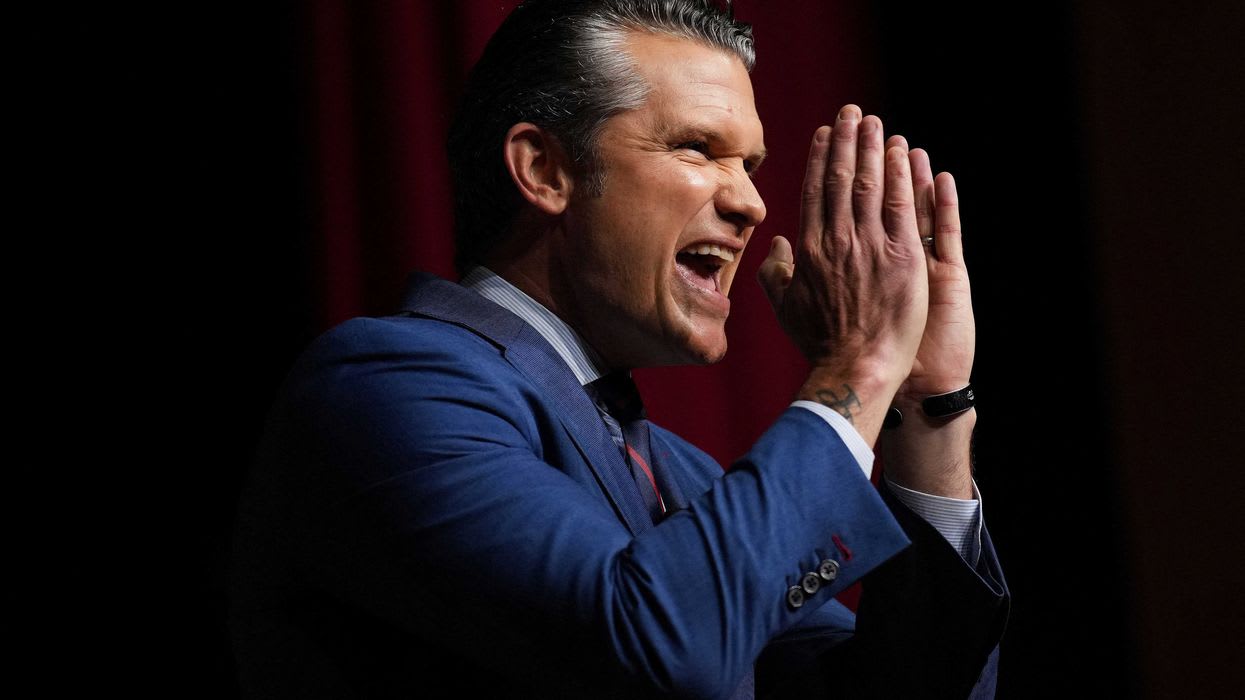
According to insights from Washington Post analyst Michelle Boorstein, a recent Pentagon prayer service saw Hegseth deliver remarks that have sent shockwaves through the military community. His invocation of religious language to sanction military violence has been described as a disturbing departure from established Pentagon norms.

During the service, Hegseth was quoted as saying: “Let every round find its mark against the enemies of righteousness and our great nation. Give them wisdom in every decision … and overwhelming violence of action against those who deserve no mercy.” This particular phrasing has drawn sharp criticism from military leadership and veterans alike.
A Troubling Shift in Military Discourse
The Pentagon’s departure from its historical approach to framing military operations is viewed as a dangerous precedent. Boorstein’s reporting highlights that this sentiment is shared by a broad spectrum of individuals, including:
- Multiple former high-ranking military officials
- Heads of chaplain corps
- Representatives from various veteran groups
- Current Pentagon staff
- Active-duty officers
The consensus among these sources suggests a palpable unease regarding the direction Hegseth’s rhetoric is steering the department.
Concerns Over Retaliation and Marginalisation
Retired Army Maj. Gen. Randy Manner, a figure with extensive experience training interfaith military chaplains and a former second-in-command at the National Guard, has been actively engaged in discussions with active-duty chaplains. He reports hearing consistent accounts of systematic retaliation against those who do not outwardly support Hegseth’s views.
“I’ve spoken with dozens and dozens of active-duty chaplains in recent weeks who are reporting that those who don’t identify with Hegseth are being marginalised,” Manner stated. He elaborated that these chaplains feel unable to voice their concerns to their immediate superiors, and that their essential role in advocating for the spiritual, mental, and moral well-being of troops is under threat.
The atmosphere described by those within the Pentagon is increasingly described as dystopian. Manner shared anecdotes from chaplains who have been excluded from crucial staff meetings, a clear indication of their perceived lack of alignment with the prevailing ideological current.
An Atmosphere of Fear and Constitutional Concerns
Insiders within the Pentagon paint a chilling picture of the current environment. One anonymous Department of Defense source characterised the situation as “terrifying,” noting that personnel working under Hegseth are living in fear of reprisal, including dismissal, for failing to subscribe to his perceived Christian nationalist worldview.
This sentiment is echoed by an unnamed member of a recent Joint Chiefs chairman’s leadership team, who directly addressed the constitutional implications. “I don’t approve of cramming your religious faith down people’s throats,” the source stated. “And when the top of the chain couches these operations in this hyper-Christian tone, it flies in the face of the freedom of religion that the Constitution enshrines and that our men and women in uniform sign up to defend.”
The core of the concern lies in the potential for the weaponisation of faith, turning religious services and discourse into tools for ideological enforcement rather than genuine spiritual support. This shift, many believe, undermines the foundational principles of religious freedom and inclusivity that are vital to a diverse military force. The ongoing debate highlights a critical tension between national security objectives and the protection of individual liberties and diverse belief systems within the armed forces.