New Home Affairs Minister Takes Helm Amidst Controversy and Reform Agenda
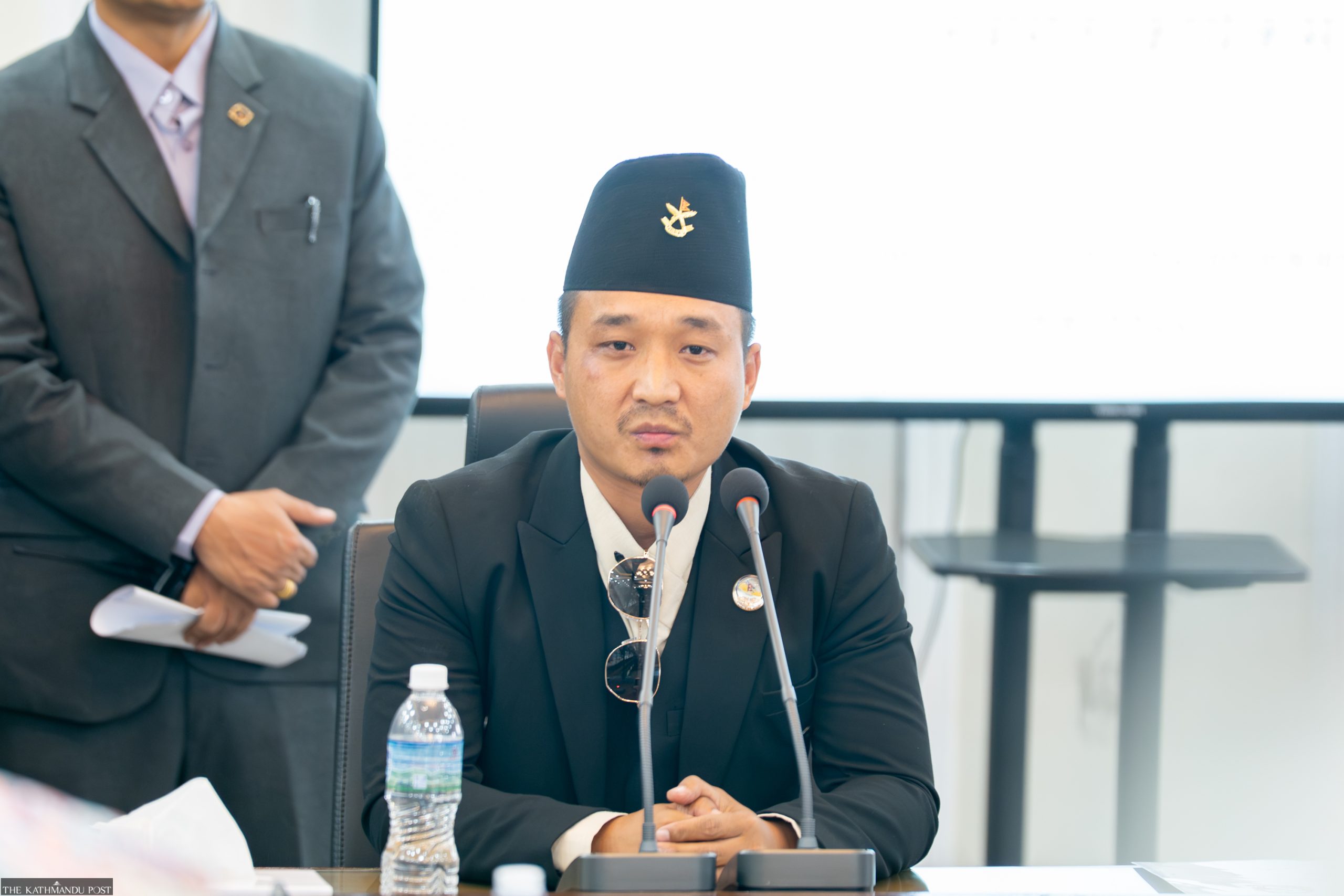
Kathmandu, Nepal – In a significant development within Nepal’s political landscape, Sudan Gurung, a 37-year-old figure who gained prominence during the recent Gen Z protests, has been appointed as the Minister of Home Affairs. This powerful ministry, responsible for the nation’s internal security, law enforcement, and administrative functions, now rests in the hands of a leader whose ascent has been both rapid and met with scrutiny.
Gurung’s rise is closely tied to the Gen Z movement, a period of significant social and political upheaval in Nepal. However, his involvement has not been without controversy. Allegations have surfaced suggesting his role in inciting youth participation and contributing to the escalation of protest activities. Furthermore, his name has been linked to the violence that ensued, prompting the Gauri Bahadur Karki-led inquiry commission to recommend investigations into individuals involved in the September 9th incidents. Despite these ongoing concerns, Gurung has now been entrusted with leading the very ministry tasked with enforcing law and order, a position that carries immense responsibility.

The appointment followed a period of internal deliberation within the Rashtriya Swatantra Party (RSP). Reports indicate that party chairman Rabi Lamichhane and senior leader Balendra Shah engaged in discussions regarding the choice for Home Minister, with Shah reportedly advocating strongly for Gurung. While other prominent party figures, including Vice-Chair DP Aryal and General Secretary Sunil Lamsal, were also considered, a consensus was ultimately reached in favour of Gurung.
Gurung’s political career is notably recent. He joined the RSP shortly before submitting his candidacy and successfully secured a seat in the House of Representatives representing Gorkha-1. Sources suggest that his selection as Home Minister was a direct decision by Prime Minister Shah. Following his oath of office administered by President Ramchandra Paudel, Gurung promptly assumed his duties at the Ministry of Home Affairs.
During his electoral campaign, Gurung made a public commitment to address the challenges faced by the families of individuals who became martyrs or were injured during the Gen Z protests. He pledged to streamline the bureaucratic process, ensuring that these families would no longer need to navigate multiple government offices for support. Additionally, he vowed to ensure that the findings from the inquiry into the September incidents would serve as a foundation for prosecution and accountability. The irony of his current position is not lost, as he now leads the ministry responsible for implementing these very recommendations.
The Ministry of Home Affairs: A Centre of Power
The Ministry of Home Affairs is one of Nepal’s most crucial governmental bodies. Its broad mandate encompasses:
- Internal security and public order.
- Law enforcement and crime prevention.
- Disaster management and response.
- Administrative coordination across all 77 districts.
Under its purview are vital national institutions, including:
- The Nepal Police.
- The Armed Police Force.
- The National Investigation Department.
- The Department of Immigration.
Given its extensive authority and influence over key security and administrative apparatus, the Ministry of Home Affairs is often regarded as the central hub of power within the government. Control over this ministry is frequently a strategic objective for political parties, particularly in coalition governments, as it significantly impacts the formulation and execution of internal governance and security policies.
Navigating a Complex Landscape: Key Challenges Ahead
Minister Gurung inherits a ministry facing a multitude of complex challenges, stemming from both recent events and long-standing systemic issues.
Post-Protest Management and Accountability
The immediate aftermath of the Gen Z protests and associated violence presents a significant test. The Karki Commission’s recommendations for action against political and security officials necessitate careful management. Gurung must balance the imperative of accountability with the need to maintain institutional stability and morale within the security forces.
Security Sector Reform
Nepal’s security and administrative systems are in dire need of modernization. Criticisms persist regarding the susceptibility of police and intelligence services to political interference, with decisions on transfers and promotions often perceived as influenced by connections rather than merit. Gurung is expected to champion legal reforms to ensure:
- Merit-based Recruitment and Promotion: Shifting away from politically motivated appointments.
- Professionalism in Operations: Ensuring security agencies act strictly under the rule of law.
Specific reforms are anticipated for:
- The Police Act: Updating outdated legislation to meet contemporary security demands.
- The Armed Police Force: Modernizing its legal framework to enhance its effectiveness in border security and internal threat response.
- The National Investigation Department: Strengthening intelligence gathering capabilities and restructuring operational units to improve its response to evolving security threats.
Addressing Structural Weaknesses
The Karki Commission’s findings have illuminated critical structural deficiencies, including:
- Inter-agency Coordination: Improving collaboration and intelligence sharing among security agencies.
- Resource Allocation: Ensuring adequate non-lethal equipment and robust command structures at the district level.
- Centralized Systems: Establishing mechanisms like a centralised intelligence fusion centre for more effective operations.
Combating Political Interference
A persistent issue has been political interference in appointments and decision-making within the Home Ministry and its subordinate bodies. Gurung faces the task of transitioning towards a merit-based system for administrative officials, including Chief District Officers, ensuring that experienced and qualified individuals occupy key leadership roles.
Border Security and Public Trust
Nepal’s open borders, particularly with India, present ongoing challenges related to smuggling, illegal movement, and security risks. Strengthening surveillance, enhancing inter-agency coordination, and optimizing resource deployment are crucial. Furthermore, restoring public trust in law enforcement, which has been eroded by past controversies involving corruption and misuse of power, is a paramount objective. High-profile cases, such as the Bhutanese refugee scam and visa-related corruption involving senior officials, have significantly damaged public confidence.
Federalism and Governance Gaps
The implementation of federalism, eight years after its adoption, continues to present complexities. Incomplete legal frameworks governing security coordination and civil service integration have led to dissatisfaction among provinces. Addressing these gaps requires robust collaboration between federal and provincial governments.
Disaster Preparedness
As a nation highly vulnerable to natural disasters, Nepal’s disaster management capabilities are a critical responsibility of the Home Ministry. Enhancing response systems, preparedness, and efficient resource allocation are ongoing priorities.
The Minister’s Inexperience and the Path Forward
Gurung’s relative lack of experience in high-level governance is acknowledged as a potential challenge. His success will likely depend on his ability to foster strong working relationships with experienced bureaucrats and security officials. Building internal trust and ensuring transparency will be vital for effective leadership.
Ultimately, Minister Gurung’s tenure will be defined by his capacity to navigate these multifaceted challenges. His ability to balance accountability with stability, drive meaningful reform, and uphold the rule of law in a politically charged environment will be closely observed, shaping both his personal political credibility and the effectiveness of the Ministry of Home Affairs.