
China’s Commitment to Global Trade and Economic Growth
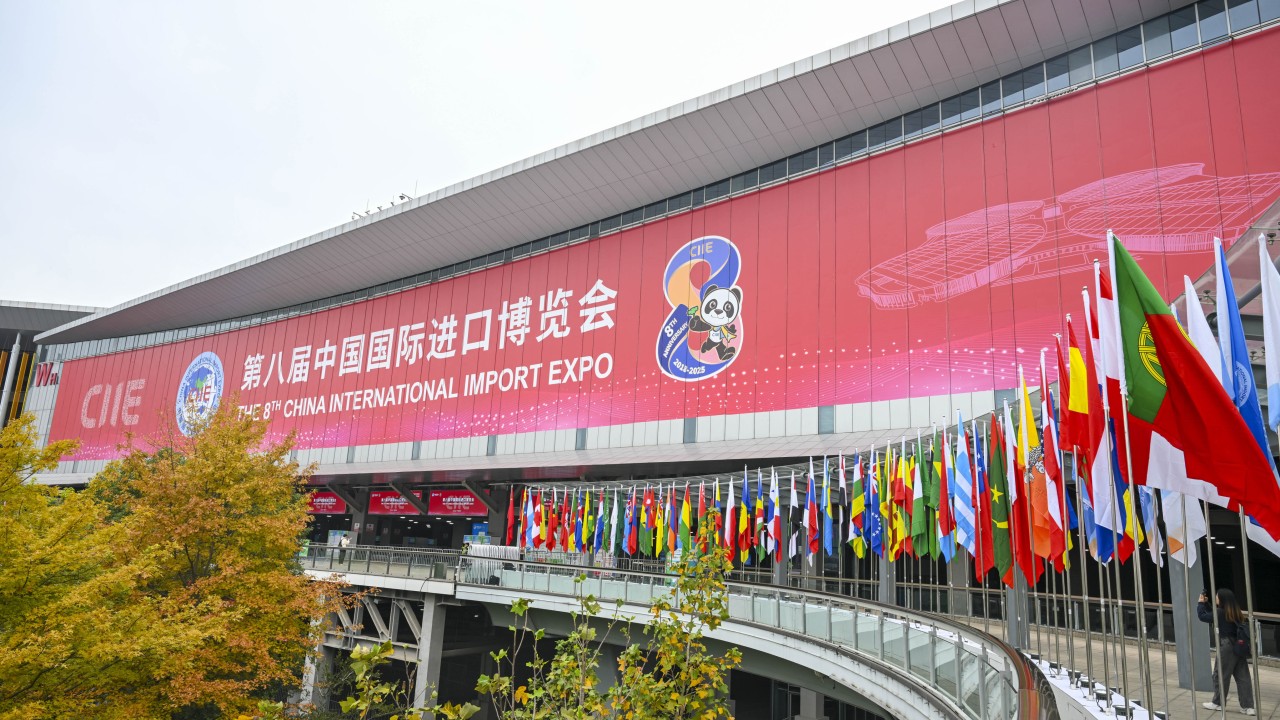
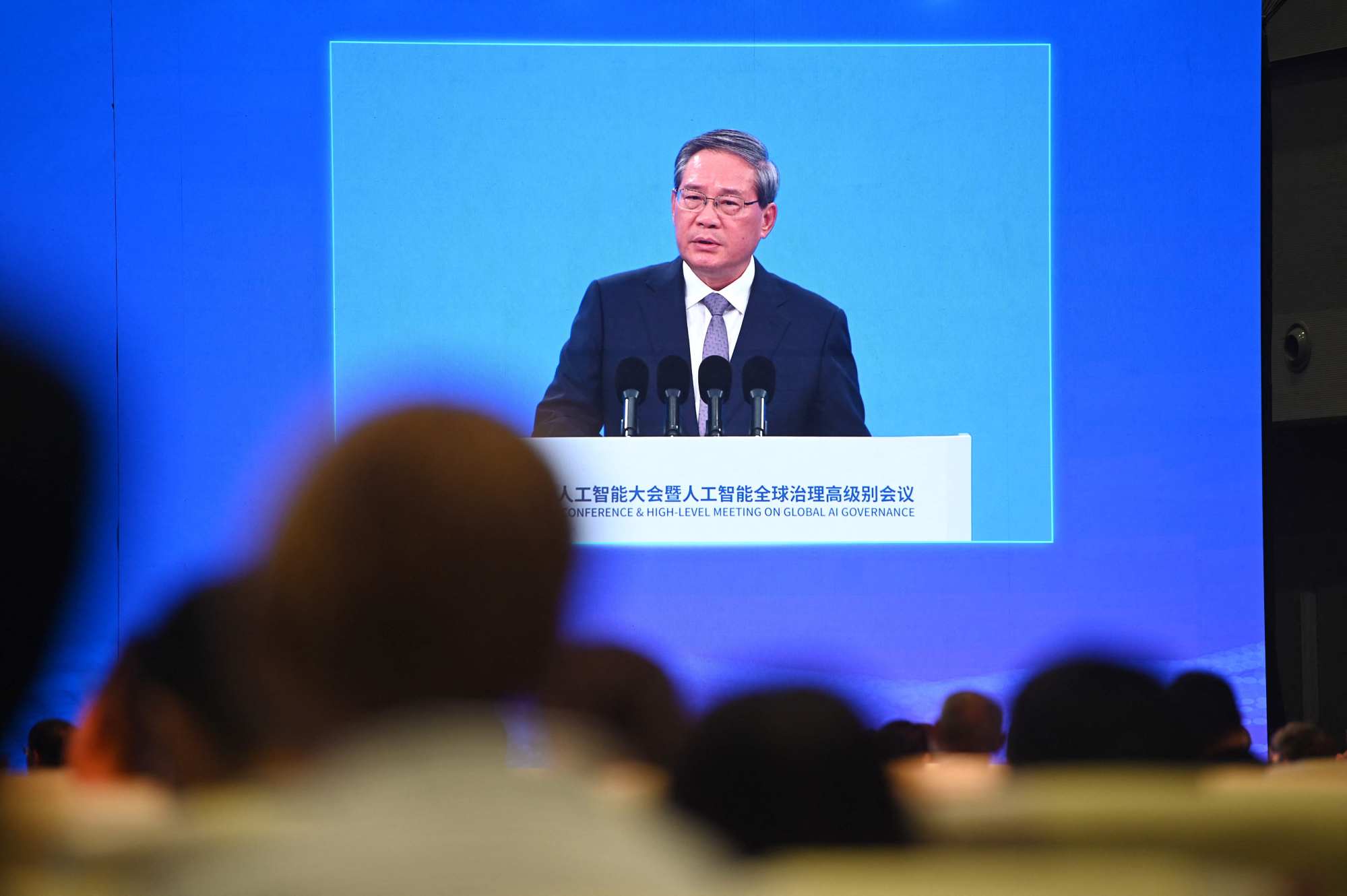
Chinese Premier Li Qiang has made a strong statement about the country’s commitment to open its vast consumer market to international businesses. This comes after Beijing and Washington reached a significant trade deal, which is expected to help restore normalcy to global supply chains. At the opening of the China International Import Expo (CIIE) in Shanghai, Li addressed around 1,000 government officials, business leaders, and merchants. He emphasized that Beijing remains resolute in supporting globalization and strengthening its economic ties with trading partners.
At a time when the world economy is slowing down and international disputes are intensifying, Li stressed the importance of equal and mutually beneficial cooperation. He called for embracing free markets and free trade, and resolving cross-border contradictions through joint development. “China is willing to work with all parties to create an open and inclusive development environment, enhance the level of trade and investment liberalisation and facilitation, ensure the stability and smooth operation of global industrial and supply chains, and better gather momentum for economic development,” he said.

Li also highlighted China’s focus on promoting high-quality development, expanding domestic demand—especially consumption—and fully unleashing the internal demand potential of its large market of over 1.4 billion people. In the next five years, China’s economic scale is projected to exceed 170 trillion yuan (US$23.9 trillion). “The country will steadfastly advance high-level opening-up to the outside world,” he added.
Addressing Trade Challenges
Li condemned the rise of tariffs in international trade, noting that they have seriously undermined international economic and trade rules and disrupted the normal operations of enterprises in various countries. His upbeat statements came after Chinese President Xi Jinping and his US counterpart Donald Trump agreed to a trade pact in South Korea last week, which included tariff reductions by the US and a suspension of Beijing’s new restrictions on rare earth minerals and magnets.
Beijing will also resume purchases of American soybeans under the deal. More than a dozen farmers from the US would display their wares at the official American Food and Agriculture Pavilion during this year’s CIIE, according to the American Chamber of Commerce in Shanghai, which co-organises the exhibits with the US Department of Agriculture.
According to three company officials involved in the preparations, Li would also visit pavilions set up by some US companies after the opening, sending a clear signal to American and global businesses that the Chinese market would still be fully open to them amid the de-escalation of the trade war between the world’s two largest economies.
Economic Outlook and Market Potential
Despite challenges, the Chinese economy has shown resilience. The country has been grappling with deflationary pressures over the past three years as consumers were reluctant to increase spending amid worries about job prospects and a poor economic outlook. However, Li reiterated that the mammoth market has huge potential for foreign companies because of people’s rising incomes and the economy’s resilience.
“We saw a robust growth in people’s disposable income during the first three quarters of this year,” said Liu Liang, deputy director of the Shanghai Academy of Social Sciences’ institute of applied economics, who is also an economic adviser to the local government. “My take is that with more cash on hand, retail spending will see a moderate rise in the coming months.”
Despite tensions with the US, China’s exports continued to grow in the first nine months of the year. Between January and September, China shipped goods worth 19.95 trillion yuan, up 7.1 per cent on year.
CIIE: A Platform for Global Trade
The annual six-day event covers 430,000 square metres at the National Exhibition and Convention Centre and has attracted 4,108 companies from around the world, according to its organiser, the CIIE Bureau—a unit of the Ministry of Commerce. A total of 33 conferences under the Hongqiao International Economic Forum will also be held as part of the CIIE’s schedule of events.
Hong Kong Chief Executive John Lee Ka-chiu is scheduled to visit pavilions and booths featuring the city’s goods and services on Wednesday afternoon. He will also participate in a conference on Thursday to attract investment to Hong Kong.
Deals worth US$80 billion were signed last year at the expo, up 2 per cent from 2023, according to the CIIE Bureau.