

New Study Links Loud Noises to Worsening Parkinson’s Symptoms
A recent study has uncovered a potential link between prolonged exposure to loud noises and the progression of Parkinson’s disease. The research, conducted by scientists in China, suggests that even short periods of noise exposure could exacerbate symptoms in individuals with the condition.
The study focused on mice that had been genetically modified to mimic the early stages of Parkinson’s disease, a progressive neurological disorder characterized by the loss of dopamine-producing nerve cells in the brain. This lack of dopamine leads to symptoms such as tremors, balance issues, stiffness, and difficulty speaking, which typically worsen over time.

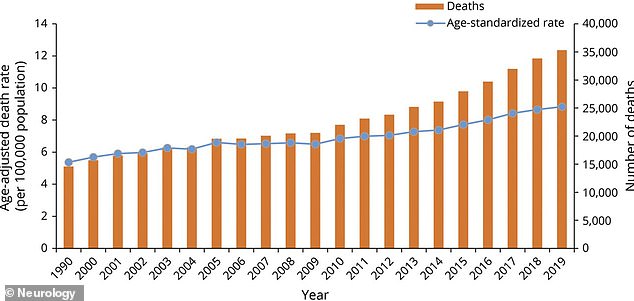
According to the Parkinson’s Foundation, approximately 1 million Americans suffer from the disease, and it is expected that this number will rise to 1.2 million by 2030. Each year, around 90,000 people are diagnosed with Parkinson’s, and about 35,000 die from it annually. This represents a 50% increase compared to estimates from a decade ago.
In the experiment, mice with early-stage Parkinson’s were exposed to loud noises measuring between 85 and 100 decibels—similar in volume to a lawn mower or blender. The exposure lasted for one hour per day over a week. After just one hour of noise, the mice showed signs of slower movement and reduced balance. While they recovered after a day, those exposed daily for a week developed chronic movement difficulties.

The researchers discovered a connection between the brain’s inferior colliculus, which processes sound, and the substantia nigra pars compacta, an area responsible for producing dopamine. They found that chronically activating the inferior colliculus mimicked the effects of loud noises, leading to the death of dopamine-producing cells.
The study authors emphasized the potential role of environmental factors in worsening Parkinson’s disease. Other research has also pointed to environmental influences. For example, a study in Minnesota found that exposure to particulate matter (PM2.5) increased the risk of Parkinson’s by 36%. Another study published earlier this year revealed that consuming at least 11 servings of ultra-processed food daily could raise the risk of early Parkinson’s symptoms by damaging dopamine-producing neurons.

While there is currently no cure for Parkinson’s, medications and treatments can help manage symptoms by replacing lost dopamine. One of the most common treatments is Levodopa, which crosses the blood-brain barrier to convert into dopamine, helping control balance issues and tremors.
The new study, published in the journal PLOS Biology, involved placing mice in soundproof chambers with speakers above their cages. In one phase, the mice were exposed to noise for one hour. In the second phase, the exposure lasted for seven days, with sounds played randomly for five to 30 seconds at varying intensities.

The team observed that noise exposure and chronic activation of the inferior colliculus led to a reduction in a protein called vesicular monoamine transporter (VMAT) 2, which is responsible for transporting neurotransmitters like dopamine, serotonin, and norepinephrine into neurons. The noise also caused the death of dopamine-producing cells in the substantia nigra, resulting in movement issues.
However, when the inferior colliculus was inhibited, the mice produced more VMAT 2, which the researchers believe could reverse the harmful effects of noise exposure in mice with early Parkinson’s.
Although the study was conducted on mice, the findings suggest a potential link between the brain’s sound processing areas and those affected by Parkinson’s. The authors noted that their results offer new insights into non-genetic risk factors for the disease.
The study highlights the importance of further research into how environmental factors may contribute to the progression of Parkinson’s, and what steps can be taken to mitigate these risks.