Diplomatic Tightrope: Trump Signals Potential Iran Deal Amid Strait of Hormuz Tensions
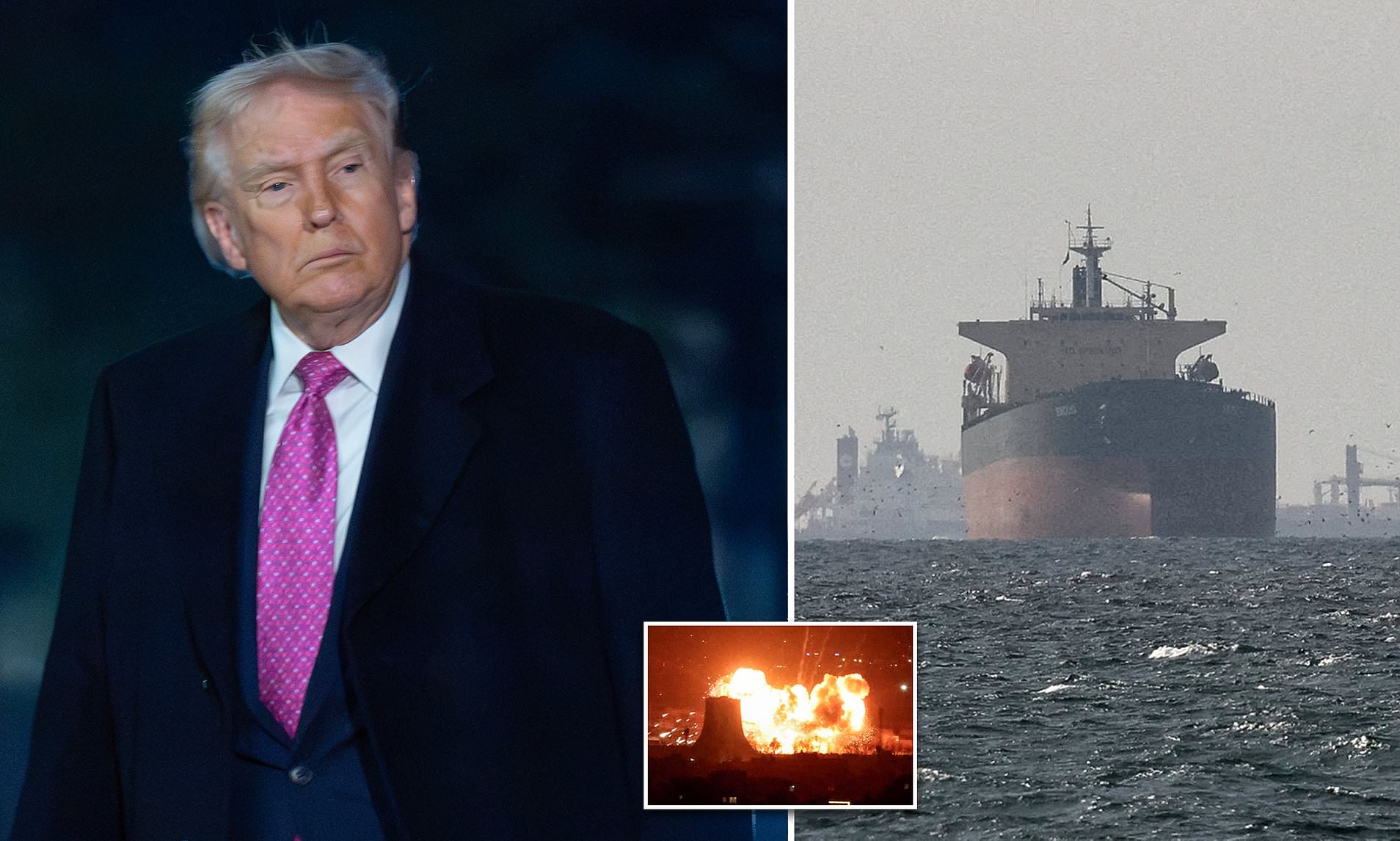
President Donald Trump has indicated that a diplomatic resolution with Iran could be imminent, even as tensions simmer over the strategically vital Strait of Hormuz. Speaking to reporters, Trump suggested that Iran is actively seeking negotiations, describing their stance as “basically begging” for peace. This comes amidst an escalating situation where the passage, crucial for approximately one-fifth of global oil supply, has seen disruptions, leading to a significant surge in oil prices.
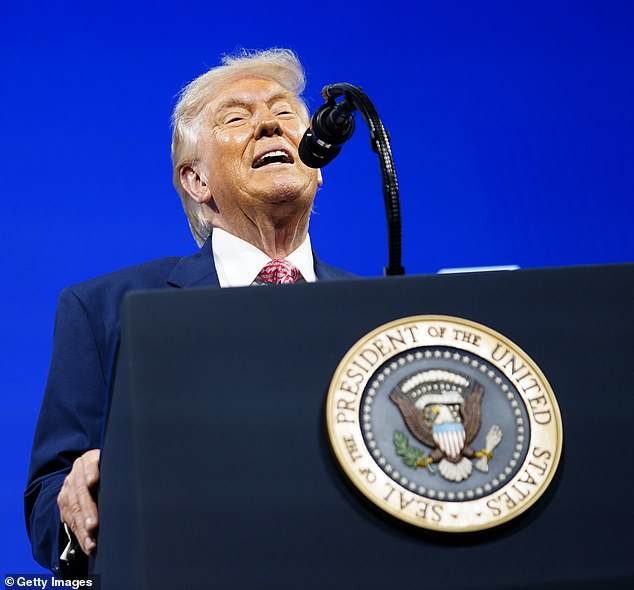
Trump’s remarks suggest a delicate dance between diplomatic overtures and the potential for military action. “We’re doing extremely well in that negotiation,” Trump stated, though he tempered expectations by adding, “But you never know with Iran, because we negotiate with them and then we always have to blow them up.” He expressed optimism about reaching a deal, noting, “I do see a deal in Iran. It could be soon.”

The Strait of Hormuz: A Critical Chokepoint Under Scrutiny
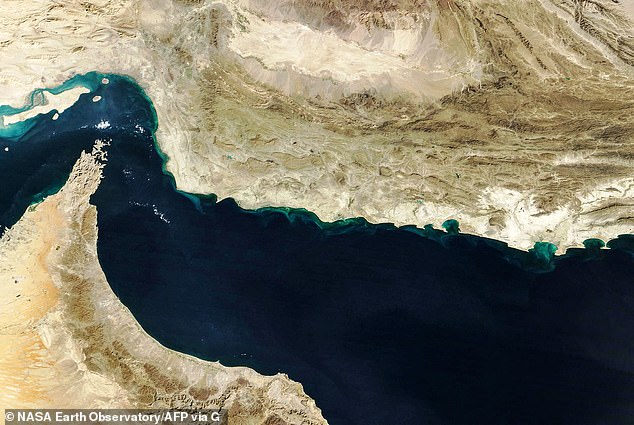
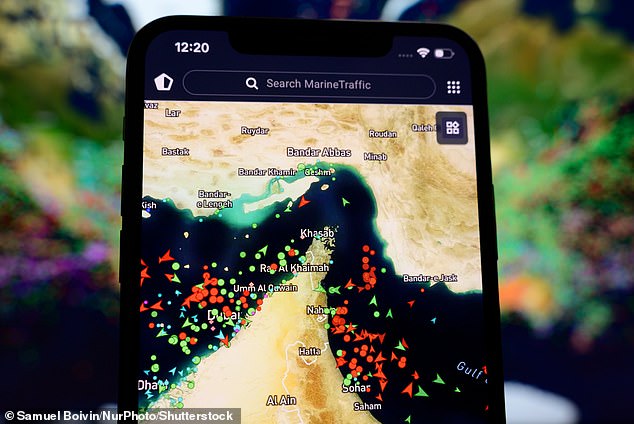
The Strait of Hormuz, a narrow waterway connecting the Persian Gulf to the Gulf of Oman, has long been a flashpoint in regional geopolitics. Its importance cannot be overstated, serving as a critical artery for global energy markets. Recent actions by Iran have seen parts of the strait partially closed, sending oil prices soaring and sparking fears of broader conflict.
Trump has even playfully referred to the vital passage as the “Strait of Trump,” a remark made during a speech where he quipped, “They have to open up the Strait of Trump – I mean Hormuz.” This lighthearted jab, however, underscores the gravity of the situation and the US’s assertive stance.
Bold Proposals: Seizing Iranian Oil Infrastructure
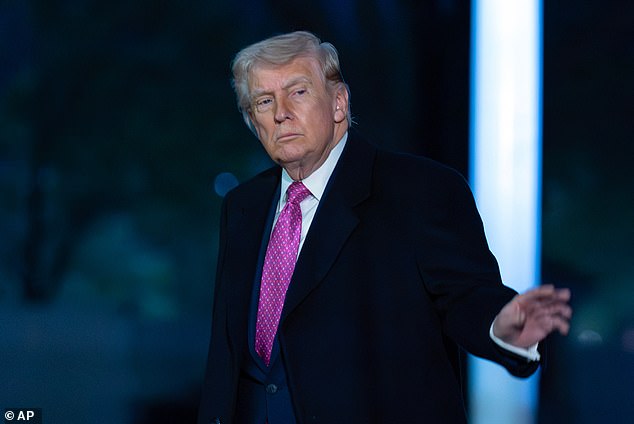
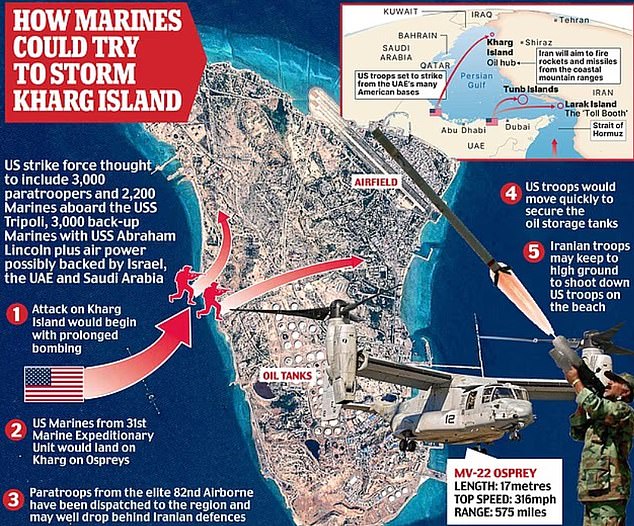
In a candid interview, Trump went further, openly discussing the possibility of seizing Iran’s oil infrastructure. He specifically mentioned Kharg Island, a key hub for Iranian oil exports, as a potential target. “My favorite thing is to take the oil in Iran,” Trump admitted, dismissing critics as “stupid people.” He elaborated on the potential for US forces to control oil production, drawing a parallel to operations in Venezuela. “Maybe we take Kharg Island, maybe we don’t. We have a lot of options,” he stated, adding that he believed Iranian defenses on the island were minimal and that the US could “take it very easily.”
Market Volatility and Diplomatic Deadlines
The geopolitical uncertainty surrounding Iran has already sent ripples through global financial markets. Brent crude prices have surged, nearing their highest levels in recent times. Trump has set an ultimatum for Tehran, with an April 6 deadline to accept a deal or face strikes targeting its energy sector. He alluded to extensive military preparations, stating, “We’ve got about 3,000 targets left – we’ve bombed 13,000 targets – and another couple of thousand targets to go.”
Signs of Respect or Strategic Maneuvering?
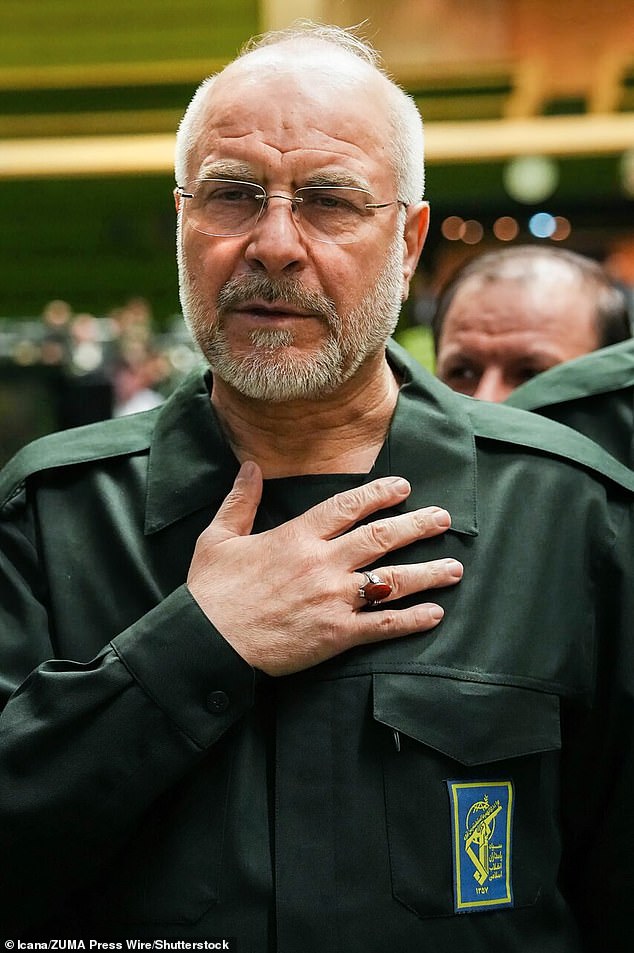
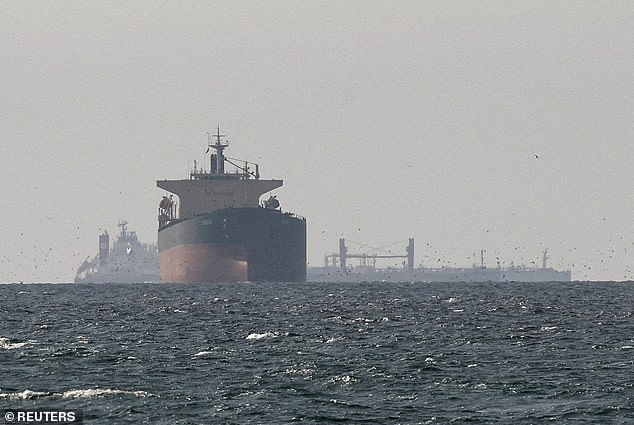
Trump also claimed that Iran had allowed a significant number of oil tankers to pass through the Strait of Hormuz as a “sign of respect.” He stated that Iran had initially allowed ten tankers through, and more recently, twenty, which “have already started and they’re going right up the middle of the Strait.” He attributed this decision to Iran’s parliament speaker, Mohammad Bagher Ghalibaf, suggesting it was a personal authorization. “Remember I said they’re giving me a present? And everyone said: ‘What’s the present? Bulls***.’ When they heard about that they kept their mouth shut and the negotiations are going very well,” Trump remarked.
Unverified Claims of Regime Change
In the same interview, Trump made further claims about internal upheaval within Iran, suggesting that the country had effectively undergone a regime change due to the reported deaths of senior leaders. He stated, “The people we’re dealing with are a totally different group of people . . . [They] are very professional.” He reiterated unverified reports about Mojtaba Khamenei, the son of Iran’s Supreme Leader, claiming he was either dead or in “extremely bad shape.” Tehran, however, has consistently maintained the stability of its leadership and dismissed such speculation.
Iran’s Counter-Warnings: Diplomacy as a Cover?
While Trump spoke of impending deals, Iranian officials issued stark warnings of impending military escalation. Ghalibaf accused the United States of duplicity, suggesting that diplomatic overtures were a smokescreen for a planned invasion. “The enemy publicly sends messages of negotiation while secretly planning a ground invasion – unaware that our men are waiting for American troops to enter on the ground, ready to unleash devastation upon them and punish their regional allies permanently,” Ghalibaf stated. He added, “As long as the Americans seek Iran’s surrender, the answer of your sons remains clear: ‘Far be it from us to accept humiliation.’”
The arrival of the USS Tripoli, an amphibious assault ship carrying approximately 3,500 service members, in the Middle East has further heightened regional tensions.
Strong US-Israel Alignment Amidst Crisis
Trump also highlighted the close coordination and strong relationship between the United States and Israel amid the ongoing conflict. He described the alignment with Israeli Prime Minister Benjamin Netanyahu as “very close” and “full coordination.” Expressing his affinity for Israel, Trump stated, “I love Israel. Love the people of Israel and I’m very proud and happy about their support. A poll this morning show they have 99% support. No one has ever experienced anything like this so I’m very proud.”
Broader Diplomatic Efforts and Market Fears
The Strait of Hormuz remains the epicentre of this escalating confrontation, with its potential disruption to global energy supplies causing significant unease. US Secretary of State Marco Rubio has warned that Iran might attempt to implement a “tolling system” for vessels transiting the strait, signalling potential long-term impacts on international shipping.
Meanwhile, diplomatic channels are being actively explored. Pakistan is hosting talks involving the foreign ministers of Turkey, Egypt, and Saudi Arabia, aimed at de-escalating the crisis, even as rhetoric from all sides continues to harden. The complex interplay of military posturing, diplomatic negotiations, and market reactions underscores the precarious nature of the current situation in the Persian Gulf.