Australia’s Fuel Security Under Scrutiny as Refineries Shut Down
Australia is facing increasing vulnerability to fuel supply shortages, a situation that has drawn sharp criticism from some political quarters. The closure of domestic oil refineries, a trend that has occurred under successive Coalition and Labor governments, is being labelled a “really stupid decision” by One Nation MP Barnaby Joyce. He argues this move was driven by a capitulation to international climate change directives rather than purely economic factors.
The nation’s reliance on imported fuel has now reached approximately 90 per cent of its supply. This dependence leaves Australia susceptible to global disruptions, with a significant portion of its fuel sourced from Asian refineries that, in turn, depend on oil shipments from the Middle East. Recent geopolitical tensions, including the conflict involving Iran, have highlighted the fragility of these supply chains.

Since the turn of the century, six refining facilities have ceased operations. This decline in domestic manufacturing capability has been directly linked by critics to Australia’s precarious position regarding fuel security.
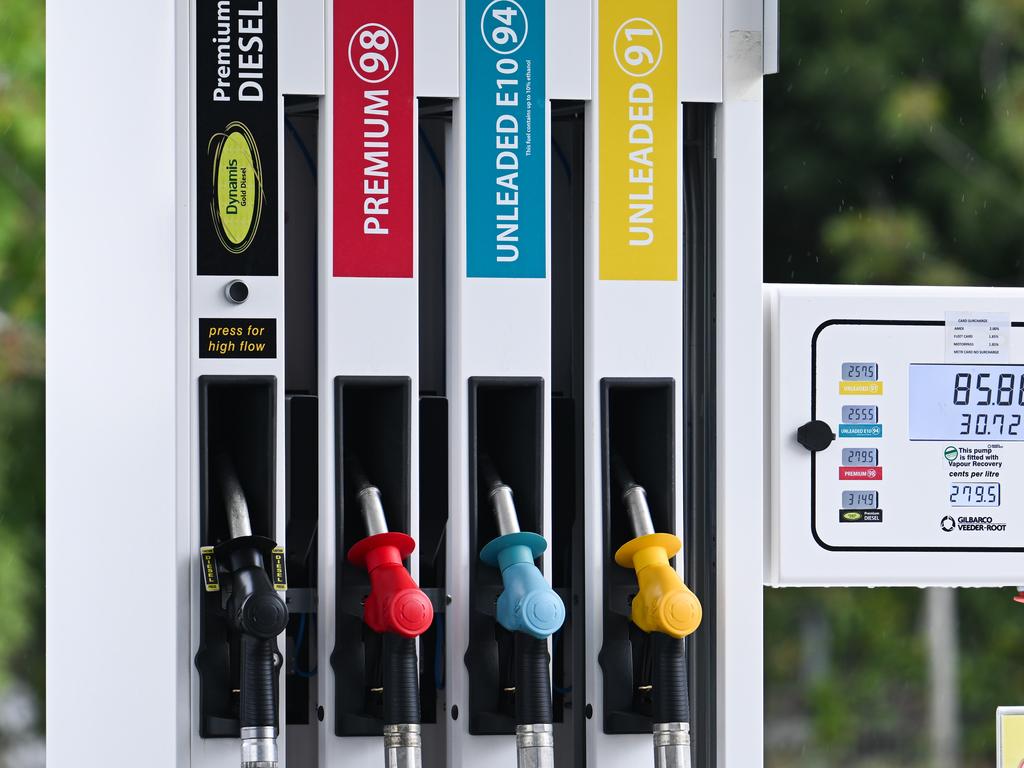
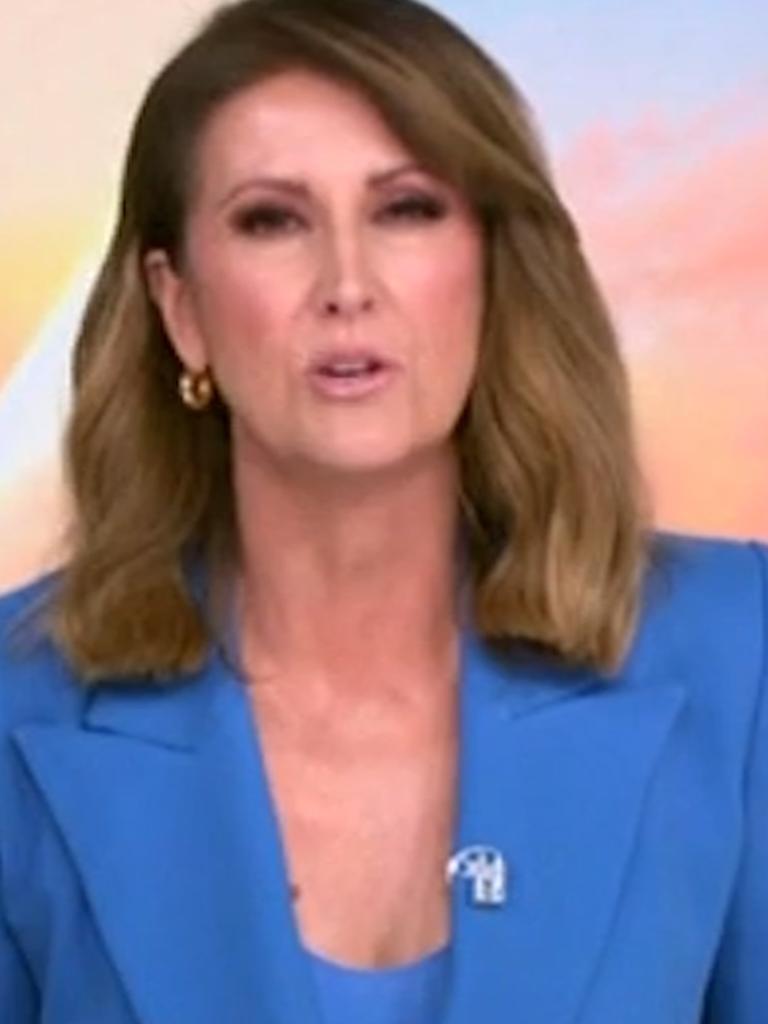
During an appearance on Seven’s Sunrise, Mr. Joyce articulated his concerns, suggesting that the closures were a direct consequence of succumbing to “climate change edicts and tsars from overseas.” When pressed by host Nat Barr on whether the closures were due to climate pressure rather than a lack of economic viability, Mr. Joyce shifted the focus to One Nation’s proposed legislative action.
He indicated that One Nation intends to introduce an amendment to remove refineries from the safeguard mechanism, a policy designed to reduce greenhouse gas emissions from high-emitting industrial facilities. “We’ll move an amendment to get rid of refineries from the safeguard mechanism and other things pertinent to getting cheap fuel or cheaper fuel or cheaper electricity to people,” Mr. Joyce stated, challenging the government to support this initiative. He expressed scepticism, predicting that the government’s “religious zeal for climate change” would prevent them from backing such a move.
Despite his criticisms of past decisions, Mr. Joyce voiced support for the Albanese government’s recently announced fuel security measures. These include federal underwriting of additional fuel cargoes and the establishment of strategic reserves.
Government Urges Fuel Responsibility Amidst Price Surges
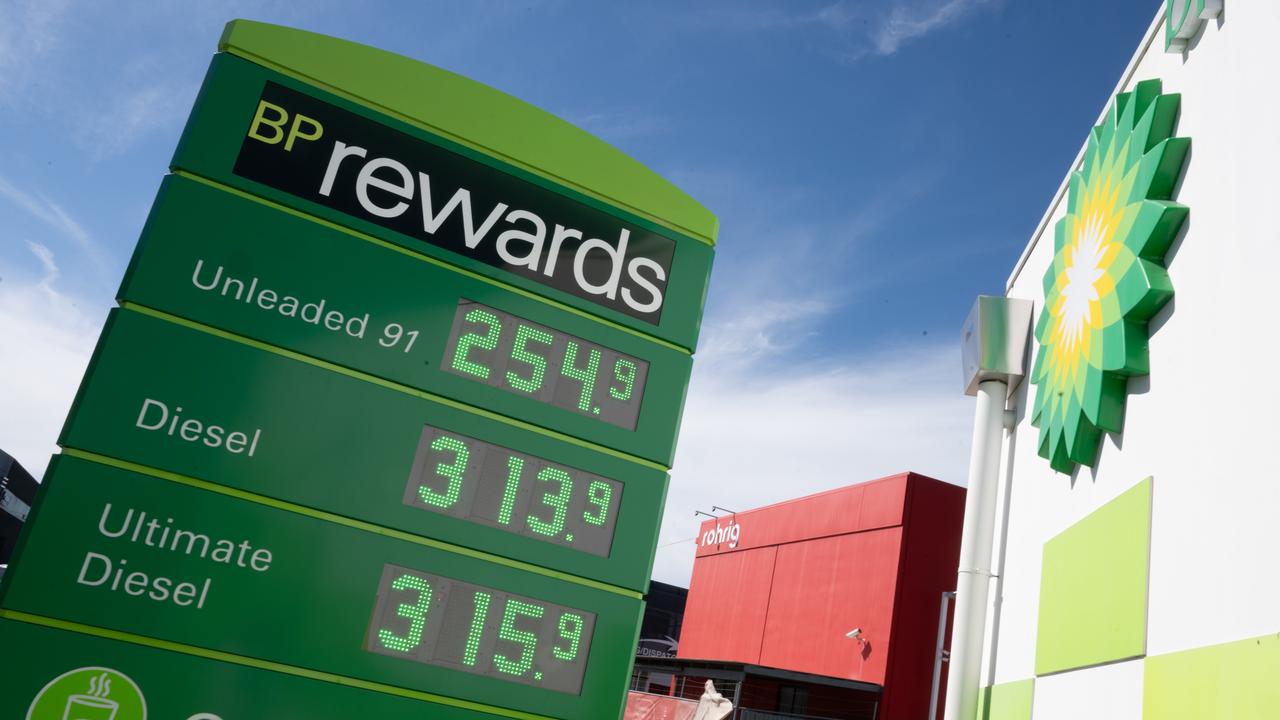
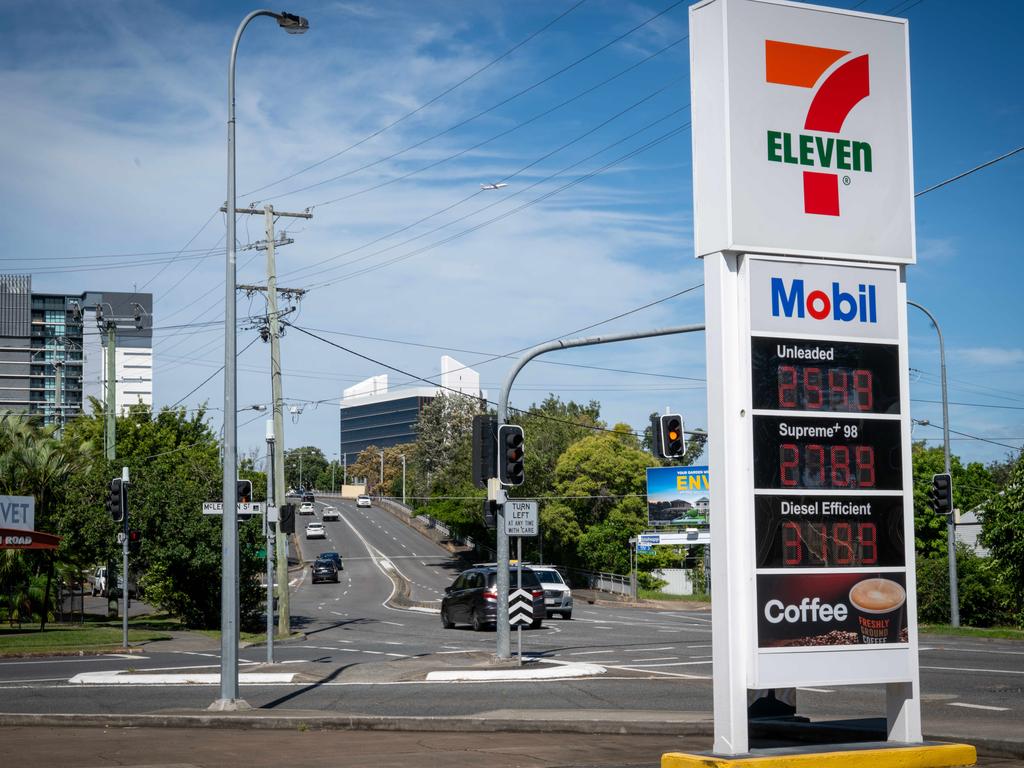
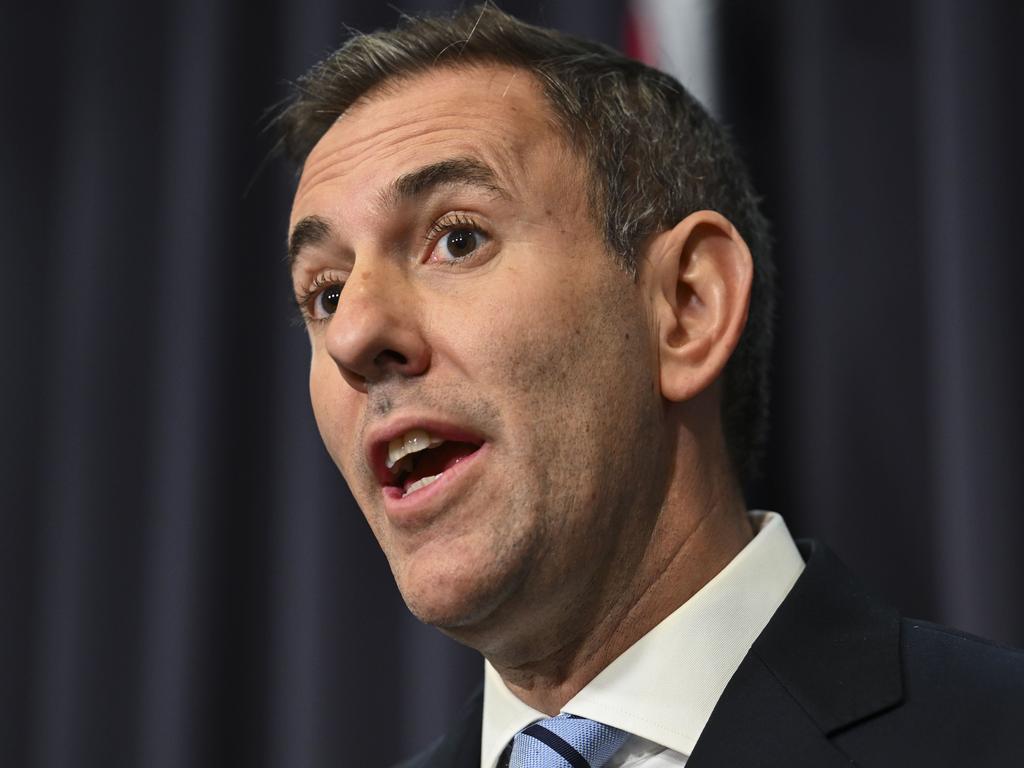
In parallel, Treasurer Jim Chalmers has urged Australians to exercise caution and responsibility in their fuel consumption as petrol prices escalate. These price hikes have been attributed to the ongoing conflict involving the US, Israel, and Iran, fuelling anxieties about a potential supply crunch.
The government maintains that Australia’s fuel supply remains secure, citing current reserves of 39 days for petrol, 30 days for jet fuel, and 30 days for diesel. They assert that shipments are arriving as scheduled and that measures such as the temporary relaxation of fuel standards and the implementation of fuel security powers are in place. However, the duration of the Middle East conflict is acknowledged as a critical factor that will ultimately dictate the severity of the crisis for Australian households.
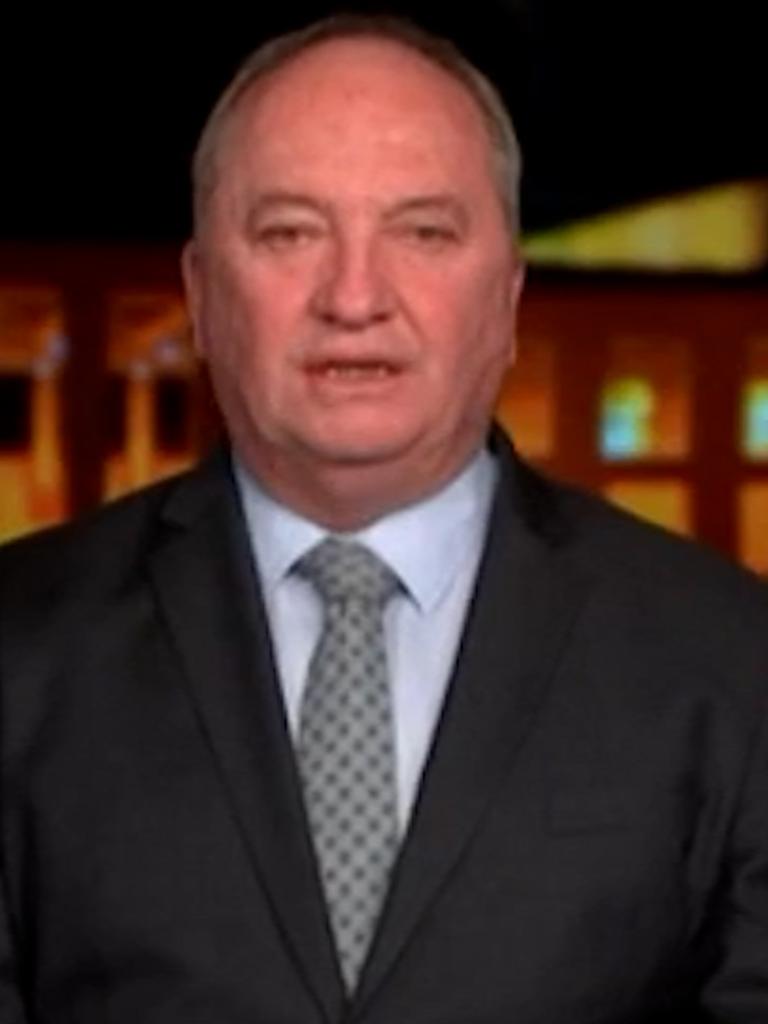
When questioned about travel plans for the upcoming Easter long weekend, Mr. Chalmers advised the public to make their own decisions but stressed the importance of responsible fuel use to avoid unnecessary spikes in demand.
Speaking ahead of a national cabinet meeting convened to address the fuel crisis, Mr. Chalmers emphasised the government’s objective to prevent the need for “harsh restrictions” and “heavy-handed Covid interventions.” He highlighted the desire for individuals to act responsibly.
Regarding the potential for mandated work-from-home arrangements, Mr. Chalmers indicated the federal government’s preference to avoid top-down directives, while also acknowledging that “work from home, in a number of instances, makes a lot of sense.”
Opposition Demands Urgent Action on Fuel Crisis
Meanwhile, the Coalition has initiated moves within Parliament to suspend Senate proceedings to facilitate an urgent discussion on the fuel crisis. Their proposed motion criticises the Albanese government’s perceived inaction and failure to provide immediate relief. The Coalition blames the government for the increased financial burden on families and businesses, asserting a lack of a comprehensive plan to address rising living costs and fuel supply pressures. They are calling for the government to “stop delaying, stop deflecting and immediately deliver urgent relief by halving the fuel excise for three months and reducing the Heavy Vehicle Road User Charge.”
Opposition Senate leader Michaelia Cash drew attention to warnings from the waste industry, highlighting their assertion of critical importance to the nation’s functioning. Senator Cash relayed concerns that a failure to maintain essential services, such as bin collection, could lead to catastrophic consequences within 48 hours, particularly in the aged care and healthcare sectors, where disease could “run rampant.” She concluded that the situation is “potentially catastrophic.”