Republican Party Faces Midterm Meltdown Fears Amidst Iran Conflict and Economic Woes
Republican leaders at the state level are voicing serious alarm, attempting to convey to the White House the dire trajectory the party is on for the upcoming midterm elections. The confluence of a potential war with Iran and soaring food and fuel prices is painting a grim picture, with fears of a catastrophic collapse for the GOP if the current situation persists.
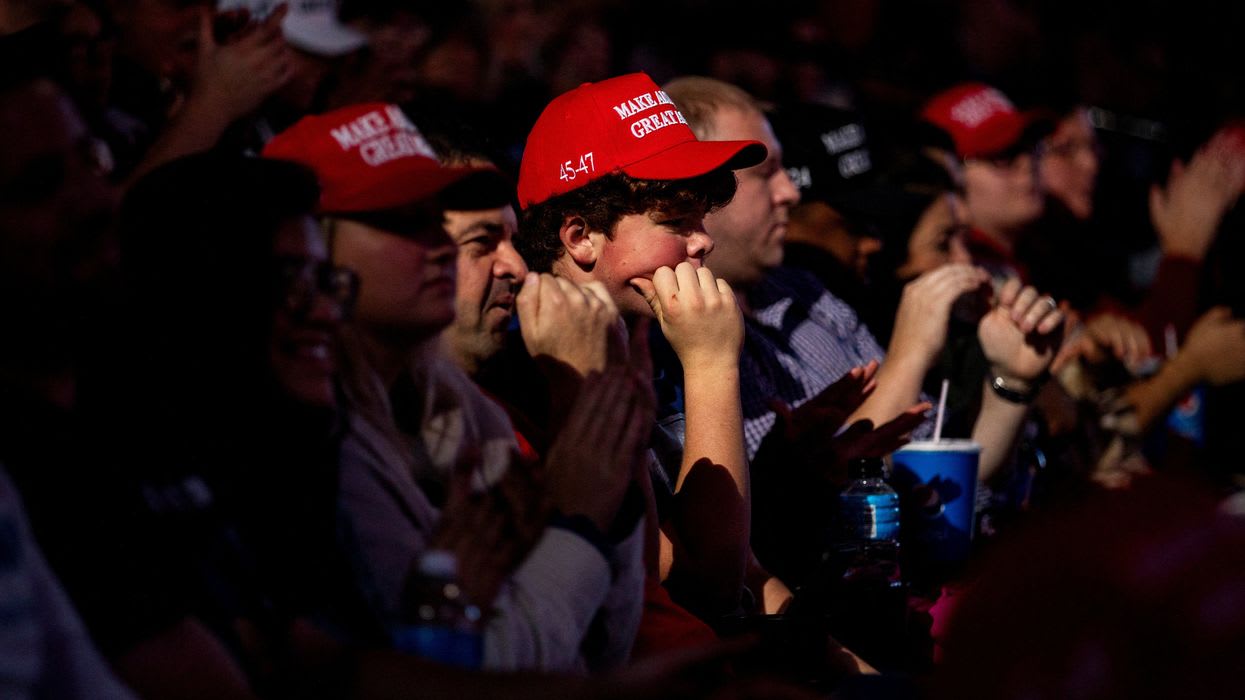
Reports from within the party indicate significant apprehension about a substantial drop in Republican candidate turnout. Field organisers and canvassers knocking on doors have reportedly been met with outright hostility from registered Republicans, some even threatening to call the police. This stark reaction highlights a deep-seated discontent and disillusionment among the party’s base.

The economic repercussions of prolonged international conflict are a major concern. Economists are warning that even if the United States were to de-escalate its involvement with Iran immediately, petrol prices could remain elevated for an extended period, potentially for months. Furthermore, any prolonged engagement in combat zones carries the inherent risk of mounting American casualties. This scenario is particularly concerning for an administration that campaigned on a promise to end “endless wars,” a pledge that resonated strongly with a significant portion of the electorate.
The political fallout from such a conflict is deemed acutely dangerous. A core tenet of support for Donald Trump, particularly among the MAGA base, was an explicit rejection of prolonged foreign interventions and regime-change operations. A war in Iran directly contradicts these sentiments and threatens to demoralise the very voters the party needs to mobilise for the November elections.
While acknowledging the gravity of the situation, some GOP strategists and county chairs are still hopeful for a course correction from the White House.
“What’s the end game? I don’t think the president has been clear about that,” stated Todd Gillman, chair of the Monroe County Republican Party in Michigan. “The gas prices are a problem. We’re concerned how this might affect the midterms.”
Craig Berland, chair of the Maricopa County, Arizona, Republican Party, articulated the turnout threat with stark clarity.
“I don’t think it’s going to impact Republicans’ desire to vote Republican, but I do believe that that turnout will be an issue,” Berland explained. “If the war drags on, that is going to impact the turnout, unless we are very, very successful in communicating and educating.”
The on-the-ground sentiment appears to be even more concerning than internal polling might suggest.
“We’re even going around canvassing neighborhoods and registered Republicans are yelling out the door, ‘go away, or I’m calling the police,’” Berland recounted, expressing his profound discouragement.
The root of this anger is twofold: “the war or the economy. And the economy is defined largely by energy prices.”
Buzz Jacobs, a Republican strategist and former White House official under George W. Bush, offered a critical perspective on the all-consuming nature of major foreign policy events.
“These types of major events can become all-consuming. They certainly suck up political capital, and they make it very difficult for the most senior officials, particularly the President, to focus on any other strategic objective.”
The agricultural sector is facing a particularly brutal economic hit. Disruptions in the Strait of Hormuz have caused fertiliser prices to skyrocket just as planting season is underway in key agricultural states like Pennsylvania and North Dakota. Farmers are now in a desperate position, being forced to consider replanting with crops that require less fertiliser. This strategic shift, while a necessary adaptation, could lead to significantly lower crop yields and a subsequent surge in food prices throughout the summer.
Matt Perdue, President of the North Dakota Farmers Union, highlighted the compounding nature of this crisis.
“We’ve had just a pile of uncertainty, a pile of volatility in the markets that we buy from and sell to and we’re just creating more volatility, more uncertainty as we move ahead.”
Farmers have historically been one of the most loyal constituencies for the Republican Party and staunch supporters of Trump. However, they are now confronting a devastating dual catastrophe. Previous tariffs had already eroded foreign markets for their produce, and now, war-driven increases in fertiliser costs are decimating their profit margins. This economic double whammy is pushing a crucial segment of the Republican base to the brink. The coming months will be critical in determining whether the party can navigate these complex challenges and maintain the support of its vital voting blocs.