A 1,300-Year-Old Stele: China’s New Battlefront for War-Looted Relics
For decades, the issue of war-looted cultural artefacts has languished in bureaucratic inertia. However, a renewed push involving Tokyo’s Imperial Palace could herald a significant turning point. China, a nation that has historically been a prime target of wartime plunder, is now positioning itself as a global leader in the repatriation of lost cultural treasures. At the heart of this burgeoning movement lies a 1,300-year-old Chinese stone stele, currently housed in Japan’s Imperial Palace, which activists and researchers hope will serve as a pivotal test case for a broader reckoning over wartime spoils.
Following Japan’s surrender in 1945, Allied Supreme Commander General Douglas MacArthur issued a directive for the return of looted cultural property. Yet, this order was narrowly defined, applying only to items seized after the 1937 Marco Polo Bridge incident. Crucially, it excluded plunder from earlier conflicts like the first Sino-Japanese and Russo-Japanese wars. Furthermore, the restitution process was hampered by its complexity, requiring meticulous documentation of each theft, a task often impossible for war-torn nations.

By the late 1940s, China had compiled a preliminary list of over 150,000 books and 2,000 artefacts, a figure widely considered an underestimation by subsequent research. For approximately eighty years, with only a small number of relics transferred to the Kuomintang in Taiwan during the 1950s, the vast majority of China’s stolen heritage remained in Japan, with an estimated two million Chinese items dispersed across various Japanese museums.
The Tang Honglu Well Stele: A Symbol of Lost Heritage
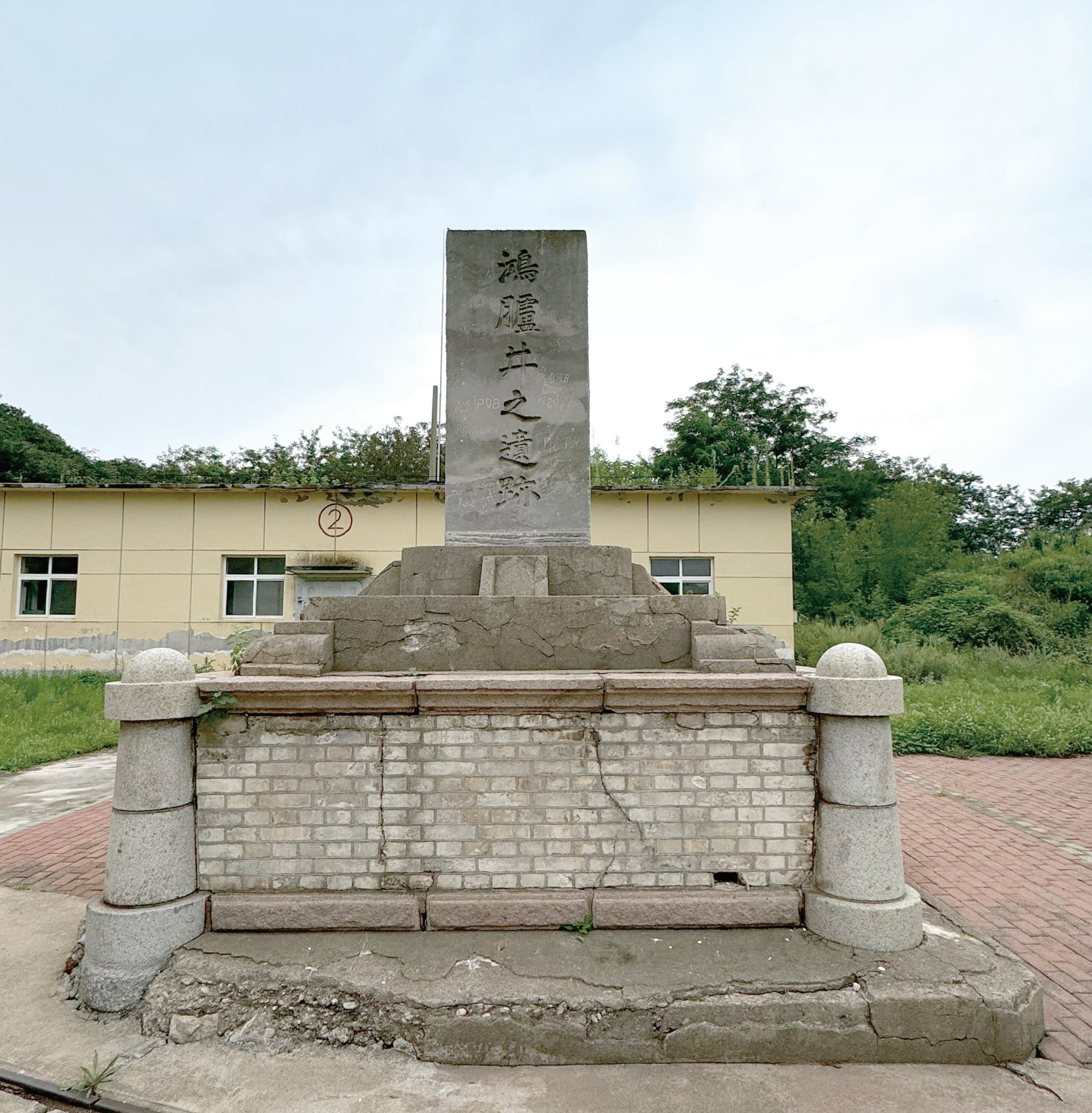
The focus of the current campaign is the Tang Honglu Well Stele, a significant artefact erected in AD 714 in what is now Lushun, Liaoning province. This stone tablet features a 29-character inscription commemorating a Tang dynasty envoy’s visit to the Bohai Kingdom, a neighbouring state. The inscription bestows a formal title upon the Bohai ruler, forming a crucial basis for China’s historical claims of sovereignty over the territory.
The stele’s journey to Japan is a stark illustration of wartime plunder. In 1908, after Japan’s victory in the Russo-Japanese War and its subsequent seizure of Lushun from Russia, the Japanese navy dismantled the stele and transported it to Tokyo’s Imperial Palace, labelling it a “war trophy.” This act was emblematic of the widespread looting of Chinese artefacts, ranging from Buddhist statues to imperial library collections, during periods of conflict. Japan has since maintained possession of the stele, classifying it as Japanese “state property.”
A Decades-Long Campaign Gains Momentum
The first public challenge to Japan’s possession of the stele emerged in the 1990s, spearheaded by researchers and a persistent activist. At a time when Sino-Japanese relations were relatively stable following the normalization of diplomatic ties in 1972, activist Tong Zeng publicly called for the return of Chinese relics during Emperor Akihito’s historic visit to China in 1992. Tong’s advocacy ignited high-level interest in Beijing, with the office of then-Communist Party General Secretary Jiang Zemin reportedly requesting a list of artefacts for potential state-level discussions.
While a comprehensive list could not be immediately provided, Tong consistently opposed the idea of purchasing back stolen items, deeming it an insult to the Chinese people. Concurrently, researchers like Wang Renfu at Baicheng Normal University began meticulously examining historical texts to confirm the stele’s origin and significance, elevating it from an obscure object to a potent symbol of China’s lost heritage.
The Rise of Transnational Advocacy
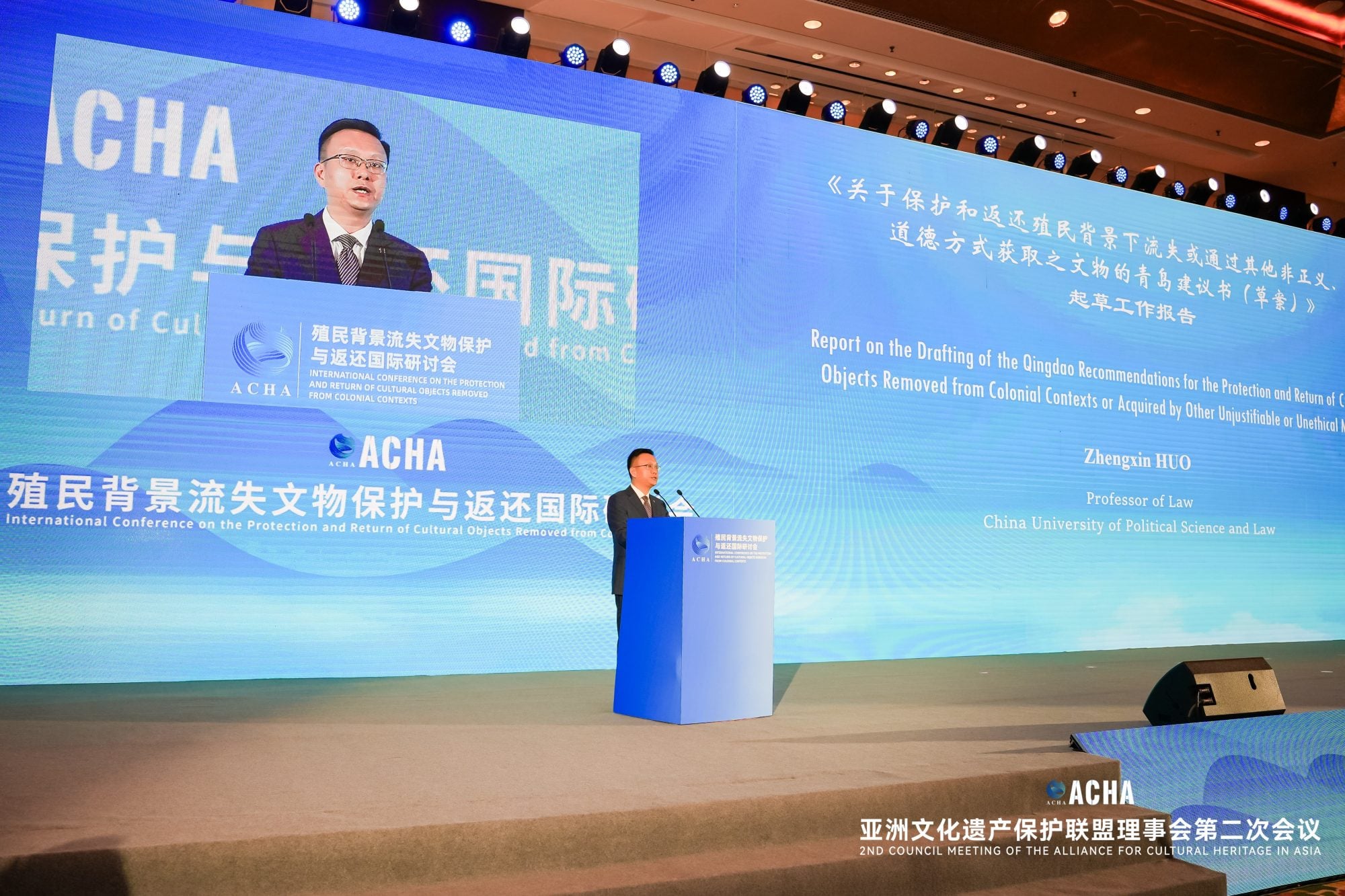
The 2000s saw a growing interest in the stele from research associations, leading to collaborations between Chinese and Japanese academics. Advocacy also began to permeate civil society groups, though China officially refrained from direct demands for the stele’s return. The complex and often incomplete nature of wartime looting records has historically complicated recovery efforts, with many artefacts proving difficult to trace. This, coupled with Japan’s perceived lack of full atonement for its wartime actions, has further entrenched the challenges, according to Huo Zhengxin, a professor of international law.
A significant turning point occurred in 2014, on the 1,300th anniversary of the stele’s creation. Wang Renfu joined forces with the China Federation of Demanding Compensation from Japan, which took the unprecedented step of petitioning Japan’s monarchy directly for the stele’s return. This marked the first formal request for the artefact from China’s civil society to Japan’s imperial institution.
Strategic Appeals and Diplomatic Maneuvering
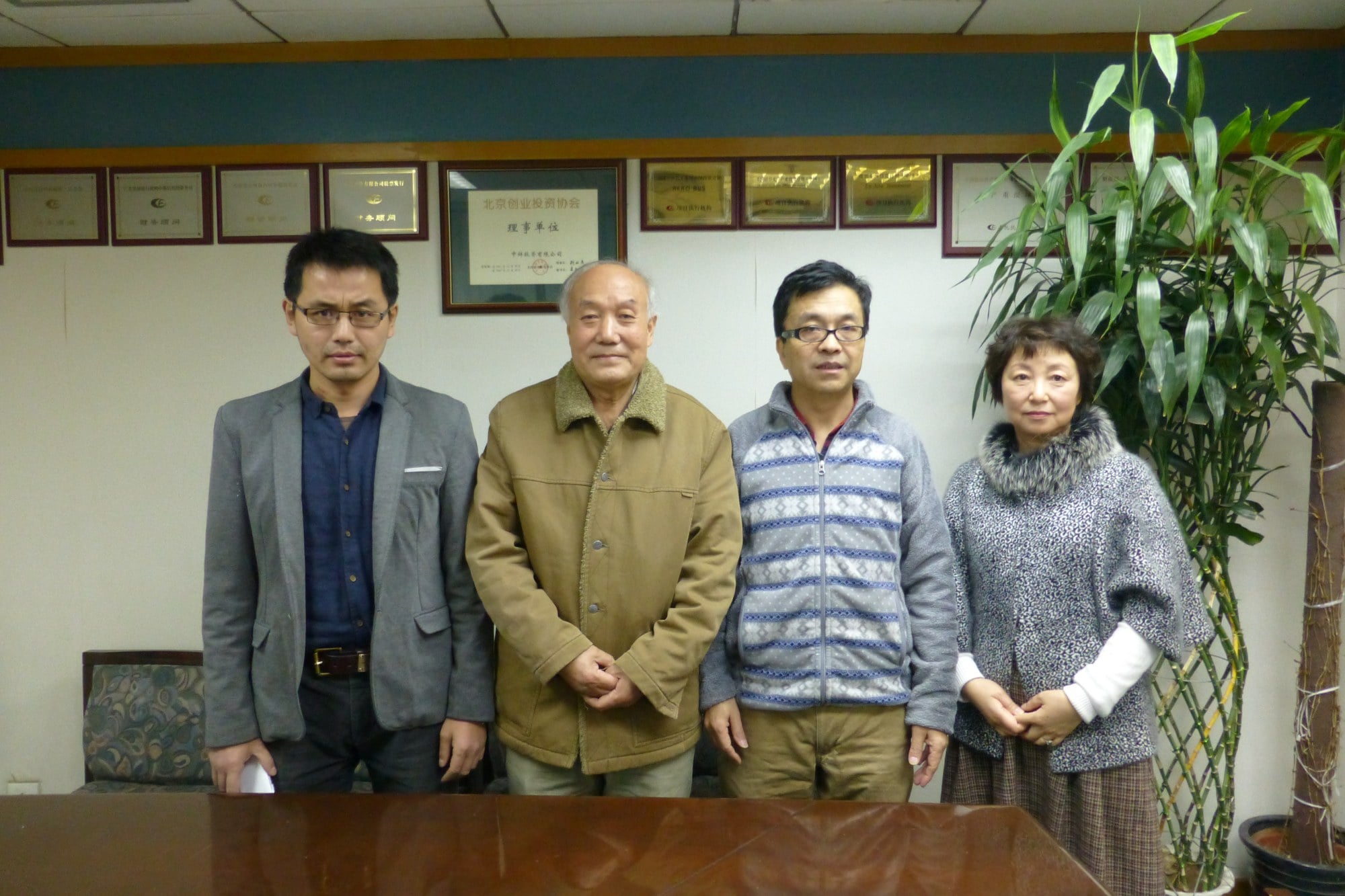
Wang Jinsi, from the federation’s cultural relics repatriation department, travelled to Tokyo to make the appeal. Prior to his departure, China’s National Cultural Heritage Administration offered guidance, suggesting that while state departments could not lead the initiative, civil society groups should “push forward bit by bit,” with the potential for state intervention when conditions were favourable.
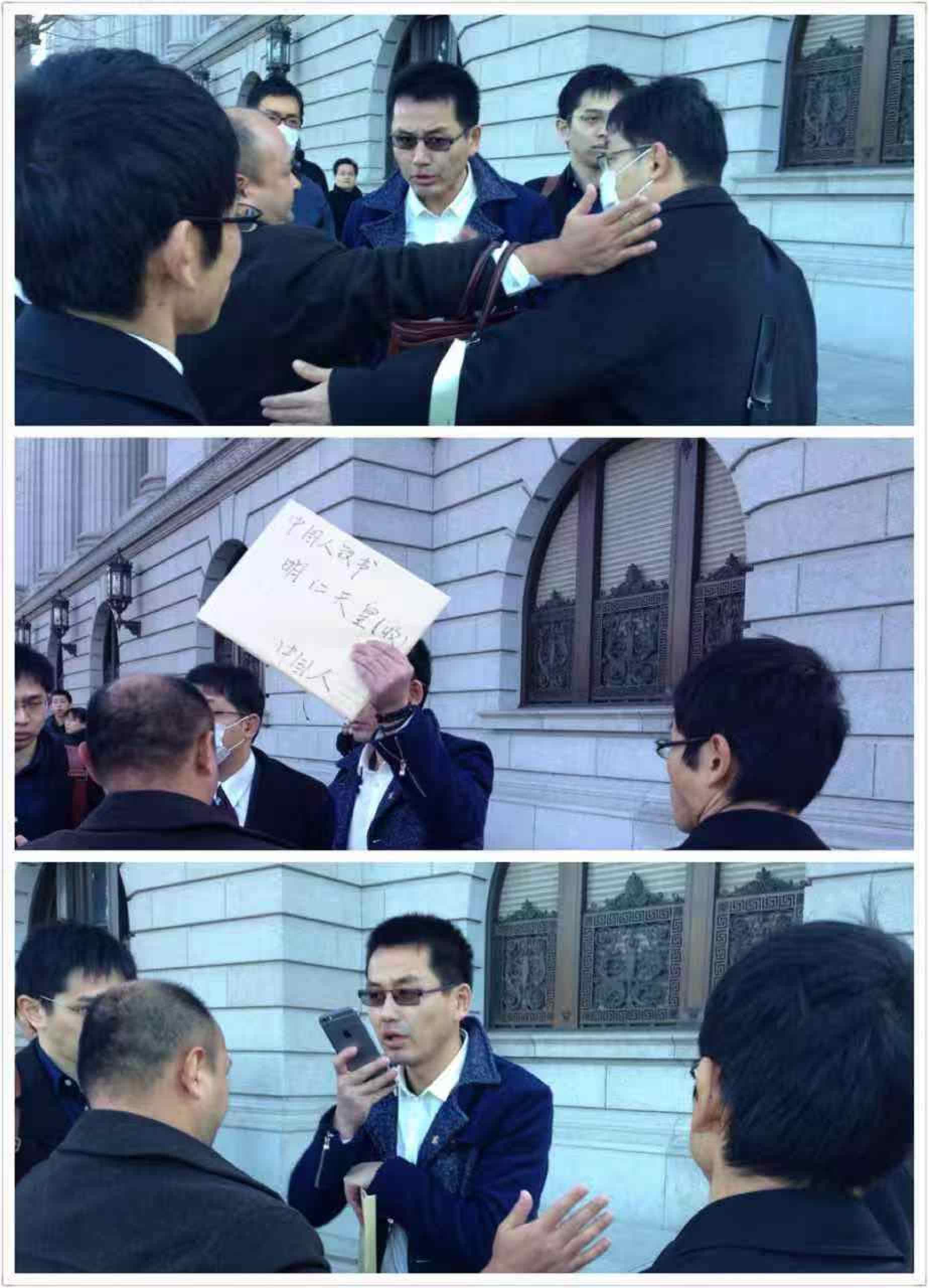
Wang strategically chose December 23rd, Emperor Akihito’s birthday, a day when the Imperial Palace is open to the public, to maximize visibility. He intended to use the occasion to challenge Japan, even contemplating drastic actions to create a diplomatic incident if negotiations proved fruitless. Although prevented by police from directly confronting the imperial family, Wang successfully delivered restitution request letters to palace officials and later to Japan’s foreign ministry, which acknowledged receipt but offered no formal response.
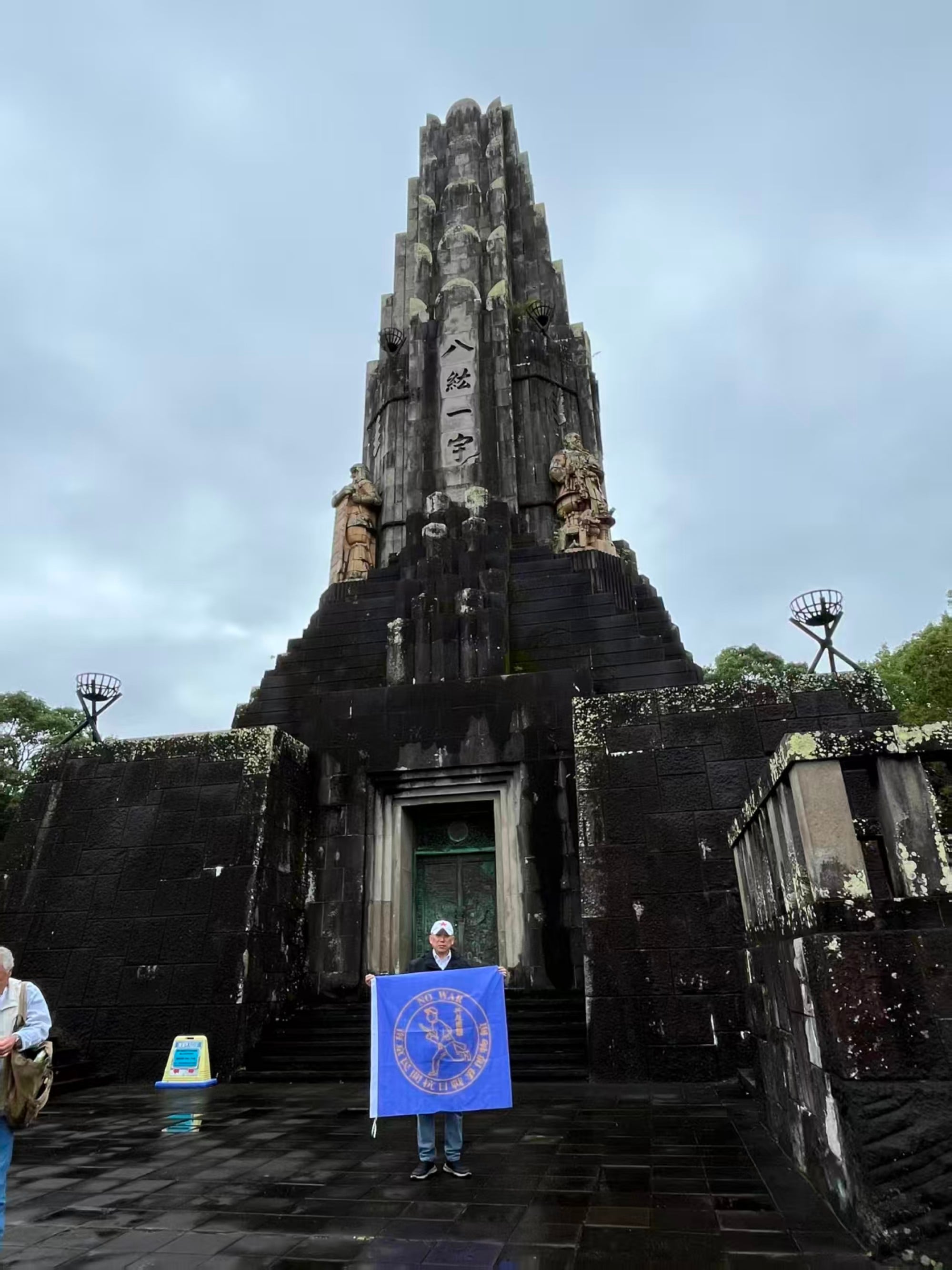
Other civic groups have also made appeals for different relics. In 2015, Wu Xianbin, director of the Nanjing Folk Anti-Japanese War Museum, led a delegation to Japan demanding the return of 238 Chinese stones incorporated into the Hakko Ichiu tower in Miyazaki. While these campaigns garnered significant media attention in both countries, their direct petitions did not yield successful outcomes.
Overcoming Obstacles: A Transnational Alliance
Niu Mengchen, a researcher at Shanghai University’s Research Centre for Chinese Relics Overseas, identified Japan’s “hostile attitude,” attributed to “right-leaning leaders and officials” and a lack of public understanding of China’s claims, as the primary obstacle to progress.
A crucial development occurred in 2018 with the alliance of Keiichiro Ichinose, a seasoned Japanese lawyer who had previously represented Chinese victims in wartime compensation lawsuits. Ichinose recognized the stele case as a vital piece of unresolved history and began collaborating with the federation, forming a transnational grass-roots alliance.
Initially, the alliance attempted to file a lawsuit in a Japanese court, armed with over 300 signed powers of attorney from Lushun residents. However, they concluded that such a case would likely fail due to individuals lacking the legal standing to reclaim state property, necessitating a state-to-state resolution.
Shifting strategy, Ichinose focused on mobilization. In late 2021, he founded the Chinese Cultural Relics Return Movement Promotion Association, a Japanese civic group that has evolved into an extensive advocacy network connecting Chinese academics and activists with Japanese lawyers, scholars, and supportive politicians.
A Multi-pronged Approach to Repatriation
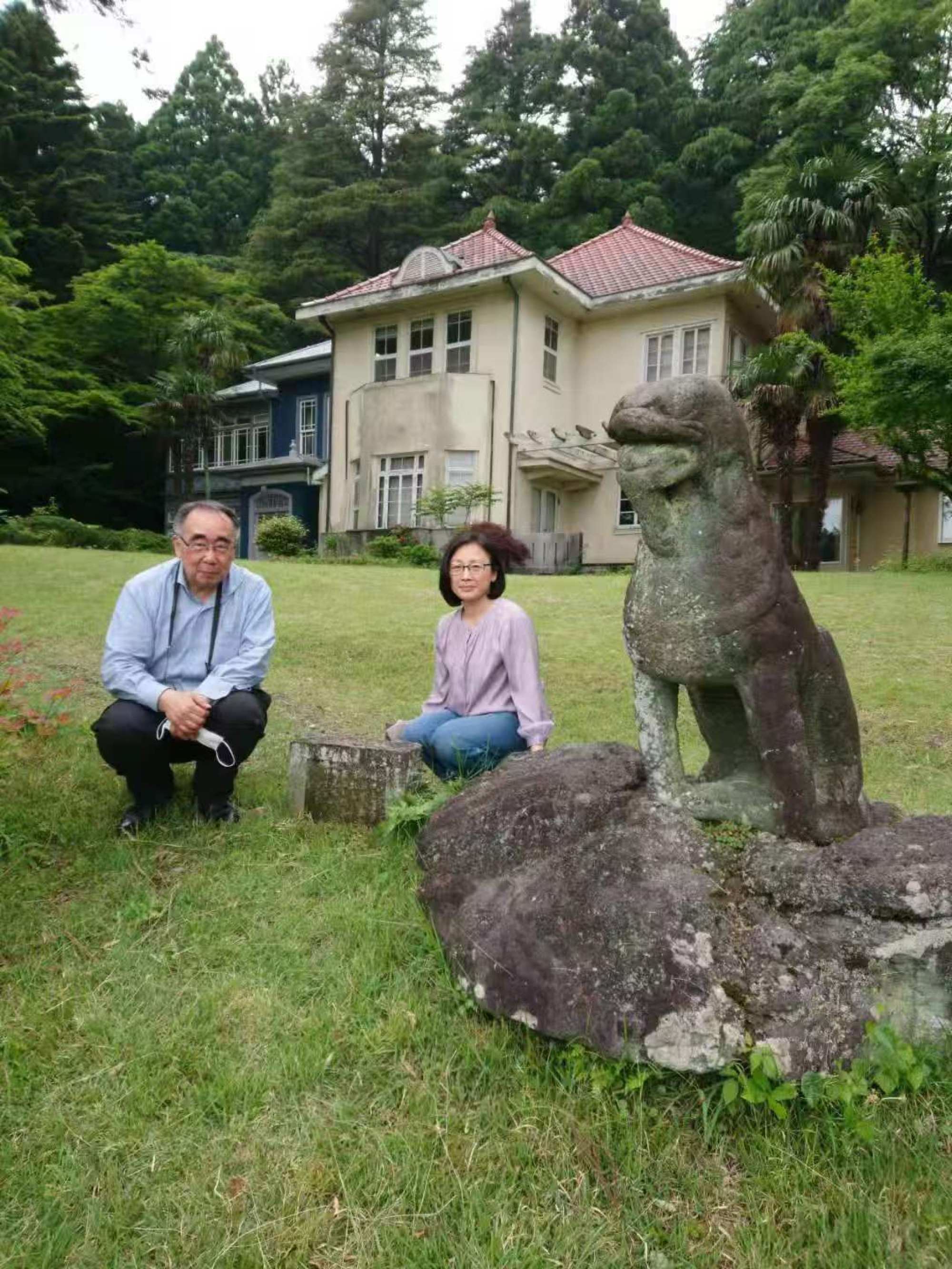
As part of their concerted efforts, campaigners have highlighted other significant cases, such as the Qing dynasty stone lions looted during the first Sino-Japanese War and now housed at the Yasukuni Shrine, positioning them as “focal points” alongside the Tang Honglu Well Stele.
Over the past four years, the alliance has organized rallies, conducted field research at historical looting sites, and engaged Japanese government officials. Ichinose has secured support from certain Japanese lawmakers who, upon understanding that seizing cultural property as “war trophies” contravenes international law, have acknowledged the imperative for the relics’ return. He argues that the stele, part of a vast trove of Chinese cultural assets that Japan was obligated to return after the war, represents an “enduring historical anomaly” that demands correction.
Ichinose also pointed to Japan’s 2011 return of Korean royal texts, seized during its colonial rule, as a precedent for repatriating state-held cultural property. Appeals for restitution in recent years have coincided with a global “decolonisation” movement in museums, fostering a broad ethical consensus on the return of artefacts looted during war or colonial rule. He asserts that ownership of such items is increasingly challenged under evolving international standards, urging the Japanese government and museums to expedite restitution.
China’s Strategic Shift and Growing Influence
Simultaneously, Beijing has recognized a strategic opportunity. According to Huo Zhengxin, China has transitioned from a previously “reactive, fragmented” approach to a more proactive diplomatic and legal strategy, leveraging its growing national strength and international influence to facilitate the return of relics.
Under President Xi Jinping’s broader initiative to establish China as a “cultural superpower,” the National Cultural Heritage Administration created a dedicated relic-recovery office in 2018. In 2024, China led the Qingdao Recommendations, a framework adopted by 19 countries to facilitate the return of artefacts falling outside existing international legal parameters. A revised Cultural Relics Protection Law, which asserts China’s legal right to recover looted artefacts without a statute of limitations, took effect in March. Moreover, China’s election as chair of the Unesco 1970 Convention on cultural property has significantly boosted its influence in global heritage discussions.
Between 2012 and late 2023, China successfully recovered over 2,310 relics in 59 batches. Shanghai University’s Research Centre for Chinese Relics Overseas, established in 2021, serves as a pivotal body for this work, integrating research and public mobilization efforts. Dozens of civic and research groups, notably the 714 Volunteer Association in Dalian, have contributed to creating archives, linking scholarship with public engagement, and even conducting fieldwork.
The Path Forward: A Call for Dialogue and Action
Despite these advancements, Tokyo’s continued silence on China’s restitution requests remains the primary impediment. At a seminar in October, Shanghai University, with support from three Japanese legislators, publicly called for the stele’s restitution for the first time. This development was met with optimism, suggesting a potential shift in official engagement.
Huo Zhengxin noted that while Beijing had not previously made a formal request, the current moment is highly opportune, given the comprehensive evidence compiled by scholars. He views the recovery of the stele as a moral imperative to “right past wrongs and protect national interests.”
Japanese lawyer Keiichiro Ichinose echoed this sentiment, stating that the stele’s return would significantly benefit Sino-Japanese relations, particularly amidst current tensions. He emphasized the necessity of all efforts to prevent future conflicts between the two nations.
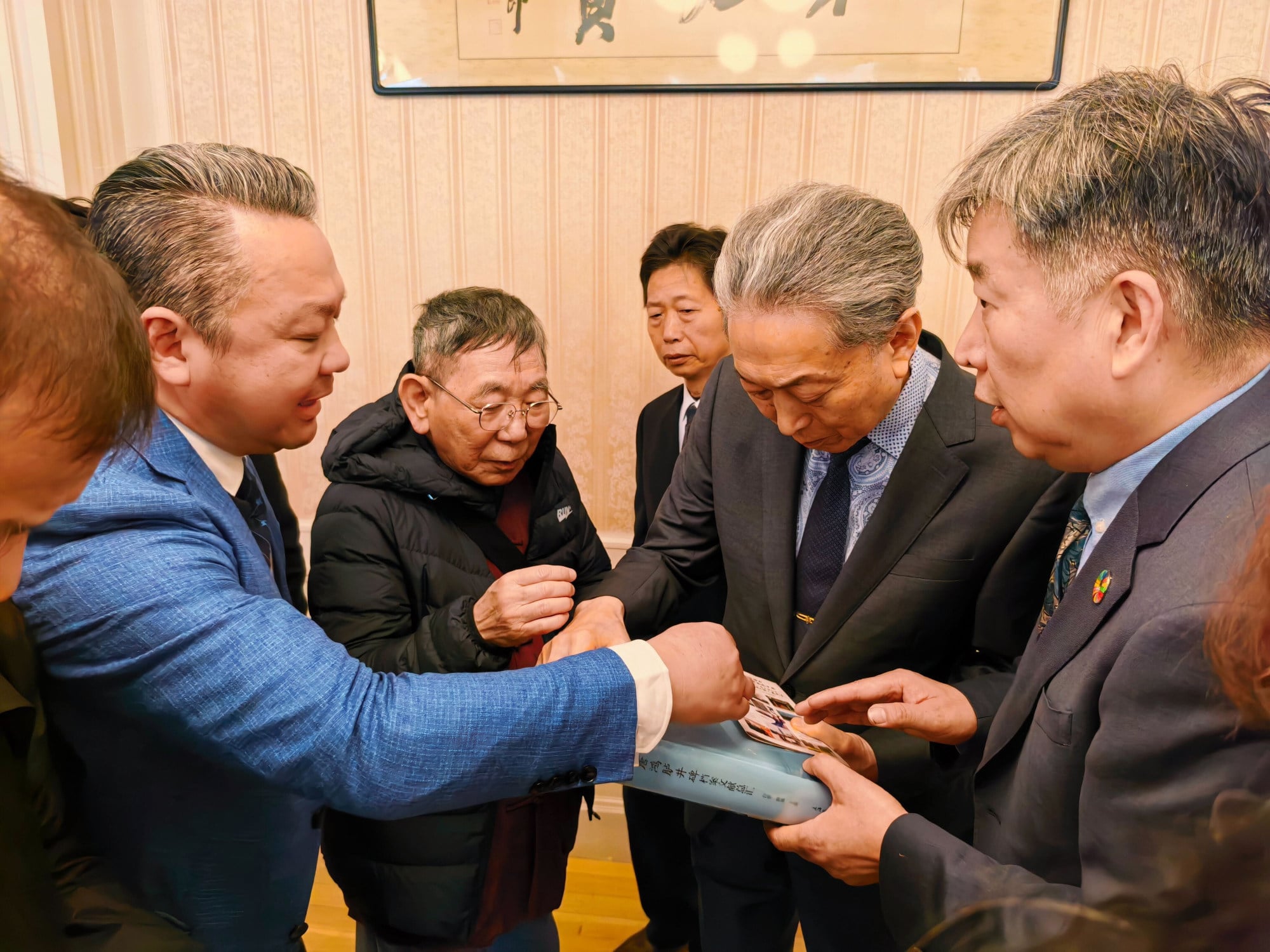
A significant milestone was reached on January 16 with the release of the joint Shanghai Declaration and the publication of “Compendium of Archival Documents on the Tang Honglu Well Stele.” This compendium, the result of decades of work, consolidates Japanese military transfer records, historical photographs, and scholarly research from both countries, providing an overwhelming “chain of evidence” for future repatriation efforts.
Ichinose expressed hope that Japan would address China’s legitimate demands, resolve this historical issue, and return the stele and its pavilion, thereby taking concrete action to correct past wrongs and foster Sino-Japanese friendship. The Chinese heritage administration did not respond to requests for comment.
The immediate next step for campaigners involves on-site research of the stele within the Imperial Palace, with Ichinose aiming to secure a joint Chinese-Japanese inspection to break the decades of secrecy surrounding its status. He submitted the Shanghai Declaration to Japan’s foreign ministry in February, characterizing it as China’s most direct appeal yet for the stele’s swift repatriation.
Ichinose believes that by pressing for the stele’s return, they are demanding a historical reckoning from the Japanese government, countering misguided policies, and steering towards reconciliation. He considers this year crucial for such endeavors. The ultimate objective, as articulated by Huo, is to leverage this case as a “breakthrough” that can serve as a model for future repatriations, enabling China to assume a more prominent role in global restitution efforts.