Rural Drivers Face Higher Fuel Costs Amid Rising Prices
Rural drivers in the UK are experiencing a significant financial burden due to the ongoing petrol prices crisis, according to recent analysis. The RAC Foundation study highlights that fuel prices in rural areas have risen at a faster rate compared to urban locations, leaving many rural residents struggling with higher costs.
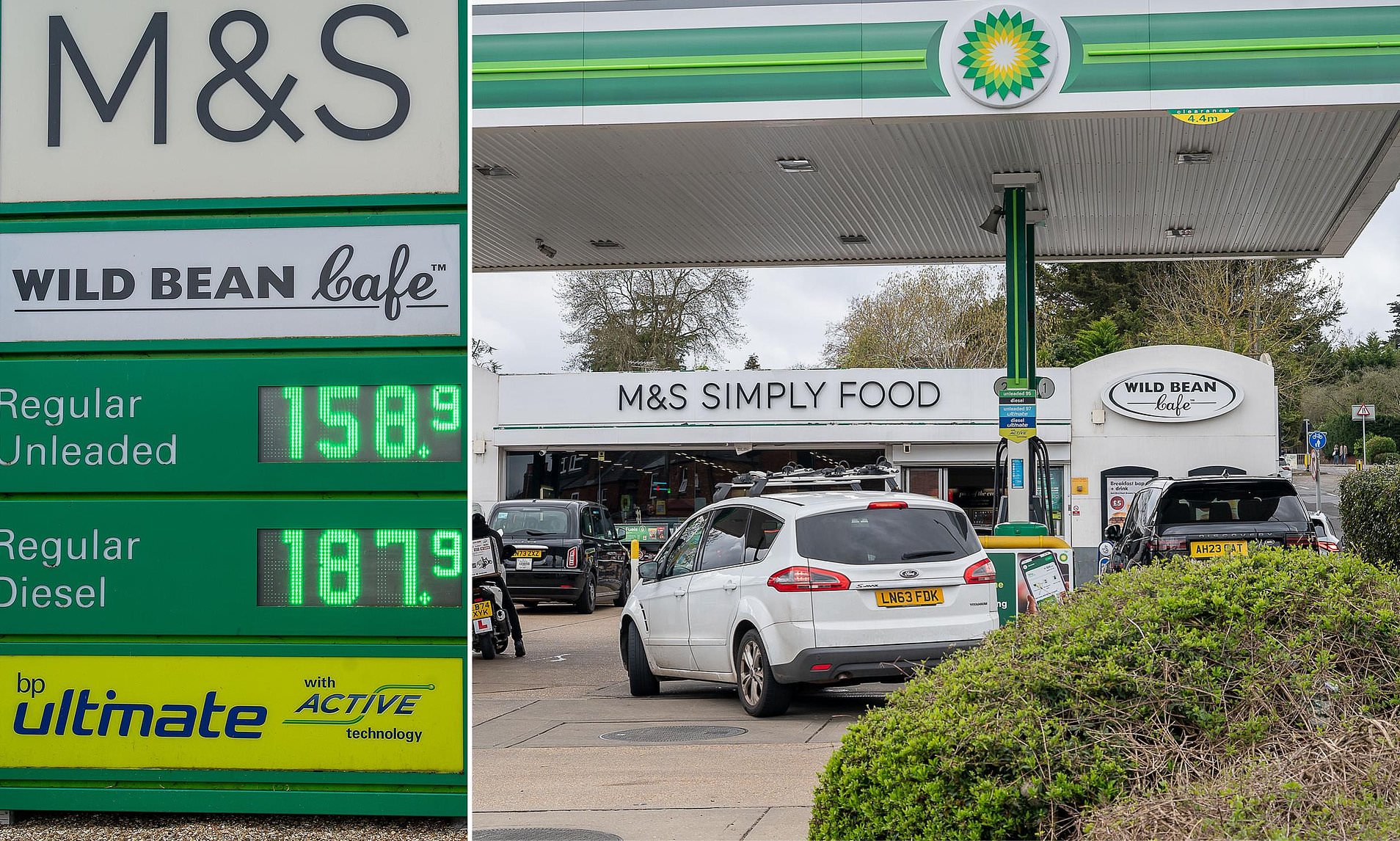
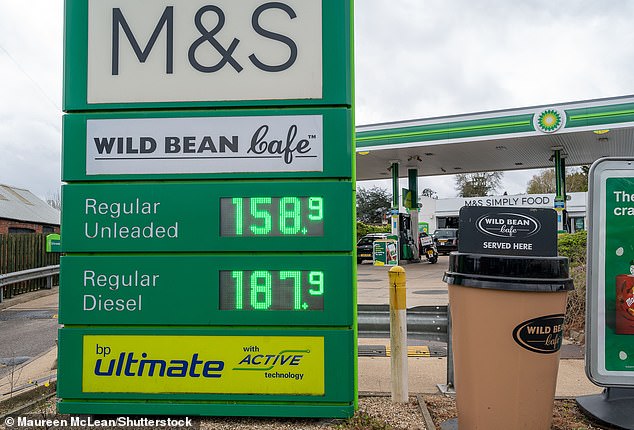
The average petrol pump price across the country has surged by a record 20p per litre last month. However, the data shows that rural areas are facing an additional challenge, with prices on average more than 2p per litre higher than in urban regions. This means that rural petrol prices have reached 156.15p per litre, while urban prices stand at 154.07p.

Diesel prices are also affected, with rural areas seeing prices up to 2p per litre higher than in cities. The average rural diesel price is 186.54p, compared to 185.09p in urban areas. This discrepancy is causing concern among motoring groups, who argue that rural drivers are being hit particularly hard by the rising costs.
The increase in fuel prices is partly attributed to the conflict in Iran and the subsequent blockade of the Strait of Hormuz, which has disrupted Western oil supplies. This situation has led to higher pump prices, impacting both individuals and businesses.
Motoring organizations have called on Chancellor Rachel Reeves to consider reducing motoring taxes, especially as the government is collecting tens of millions of pounds in additional VAT revenue due to the increased fuel prices. Edmund King, president of the AA, emphasized the importance of road transport for rural communities, stating:
“Drivers and businesses in rural areas are almost totally dependent on road transport due to the lack of public transport and longer distances travelled. The car is not an optional extra but is a lifeline to rural dwellers.”
He also pointed out that rural drivers are facing a double challenge, as fuel prices are higher and many rely on diesel, which has seen a more significant increase compared to petrol since the Iran conflict began.
Steve Gooding, director of the RAC Foundation, added that rural drivers are paying more for fuel and often travel further distances. “For many outside our bigger towns and cities, using a car is, by necessity, built into their daily lives, leaving no alternative but to drive to get to work, the shops or doctor.”
The cost of filling up an average 55-litre tank in a family car has increased by £11 for petrol and £22 for diesel between 1 and 31 March across the country. For rural drivers, this cost was on average £1.10 more for petrol, according to the RAC Foundation’s analysis. In some rural areas, the cost of diesel was also higher, with national averages showing a surge of 40p per litre in March.
Last month’s fuel price increases were the largest on record, surpassing even the spikes caused by Russia’s invasion of Ukraine in 2022. According to separate data, drivers have collectively paid around £600 million more than they would have if pump prices had remained stable before the Iran conflict.
This has resulted in the Chancellor, Rachel Reeves, gaining approximately £100 million in additional VAT receipts due to the higher fuel prices, which attract the 20% levy. Despite growing pressure from motoring groups, Labour has decided not to cancel its planned 5p per litre increase in fuel duty, set to take effect from September. This increase will add an extra £3 to the cost of a full tank.
While the UK government is planning to raise motoring taxes, several European countries have taken steps to reduce them in response to the current crisis. This contrast highlights the differing approaches to supporting drivers during times of economic hardship.