Public Transport Goes Free in Victoria and Tasmania Amidst Soaring Fuel Prices
In a significant move to ease the financial burden on commuters and encourage a shift away from private vehicles, Victoria and Tasmania have introduced measures making public transport free for a limited time. This initiative aims to combat the sharp rise in fuel costs, driven by global energy shocks.
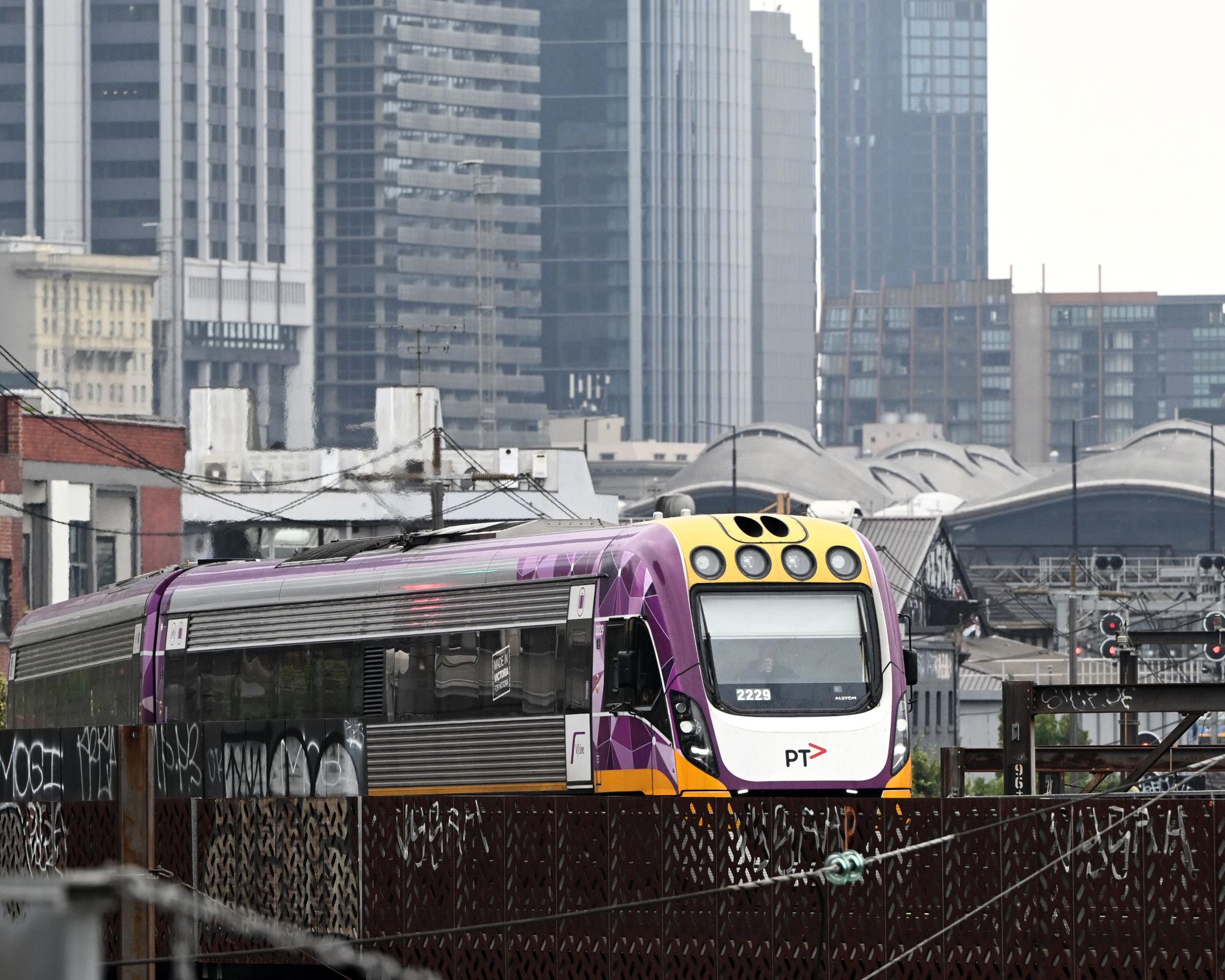
Victoria will offer free travel on all metropolitan and regional V/Line trams, trains, and buses from March 31st until the end of April. This temporary measure is projected to cost the state government approximately $71 million in lost revenue. The Allan government stated this move is designed to provide immediate relief to Victorians grappling with the escalating cost of living.

Similarly, Tasmania has announced that its bus services and Derwent River ferries will be free across the entire state from March 30th until July 1st. The Tasmanian Transport Minister, Kerry Vincent, highlighted the potential savings for commuters, estimating they could save between $20 and $88 per week.
Contrasting Approaches Across States
While Victoria and Tasmania are embracing free public transport, other states are adopting a more cautious stance. The New South Wales government has indicated it will not follow suit. NSW Transport Minister John Graham explained that the government needs to “keep our powder dry” to address potential future crises that may extend beyond a month. He emphasised the need to conserve resources to support the broader economy during what is expected to be a prolonged period of economic uncertainty. Graham clarified that this decision was not a criticism of other states but a strategic choice for NSW, ensuring that the millions of dollars collected daily from public transport fares can continue to be reinvested in system improvements and reliability.
Western Australia has also opted against free public transport. Premier Roger Cook stated that the state’s public transport fares are already at a “historically low” level, comparing them to times when popular music artists like Rick Astley were topping the charts.
The Impact of Global Energy Markets
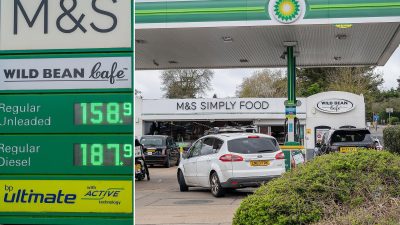
The surge in petrol and diesel prices, along with sporadic fuel shortages in parts of Australia, is a direct consequence of the energy shock stemming from the conflict in the Middle East. This has led to a noticeable increase in weekly fuel bills for average Australian households, with many seeing their expenses rise by $20 or more since late February.
Calls for Nationwide Action and Usage Trends
The push for free public transport isn’t confined to Victoria and Tasmania. In federal parliament, ACT Senator David Pocock and the Greens have been advocating for a nationwide free public transport policy during the fuel crisis.
However, initial analysis of usage data suggests that despite the higher fuel costs, Australians have not yet significantly reduced their driving or increased their reliance on public transport. This indicates that the current economic pressures may not be immediately translating into widespread behavioural changes regarding transportation choices.
Victoria’s Implementation Details
During the free travel period in Victoria, all Myki gates will be open, and passengers will not be required to tap on. The government has assured that any accidental taps will not result in charges, and refunds will be provided if any fares are erroneously applied. Myki passes, including annual subscriptions, will be automatically paused and will resume their validity after the free period concludes at the end of April.
For those travelling on V/Line coaches beyond the Myki network, booking a free ticket will be necessary to secure a seat. However, travel on trains outside the Myki network will not require a ticket.
The Victorian Minister for Public Transport, Gabrielle Williams, expressed confidence that the public transport system can accommodate the anticipated increase in patronage. She noted that the state has proactively expanded its public transport network and introduced thousands of additional services to cater to the expected rise in demand across trains, buses, and trams.
Premier Jacinta Allan reiterated her commitment to assisting Victorians through the rising cost of living. She described the free public transport initiative as a “temporary measure” aimed at alleviating pressure at the pump and providing immediate savings, while acknowledging that it is not a complete solution but a step towards making Victoria more affordable.
The government continues to explore new solutions to address affordability challenges and support residents during this difficult economic period.