
The Fascinating Stories Behind the World’s Most Unique Aircraft
Rarity often adds to the value of an object, and this is especially true for aircraft that have only one example ever built. These rare machines are not just relics of aviation history but also tell compelling stories of innovation, failure, and ambition.
10: MiG 1.44

The MiG 1.44 was a groundbreaking design in the 1980s, inspired by the fictional “Firefox” fighter from the 1982 movie starring Clint Eastwood. This aircraft featured a canard delta configuration with twin tailfins and a distinctive shark-like nose. It was designed to reach speeds of Mach 2.35 and supercruise at Mach 1.5. However, due to the collapse of the Soviet Union and economic difficulties in Russia, the project was abandoned after only two short test flights.

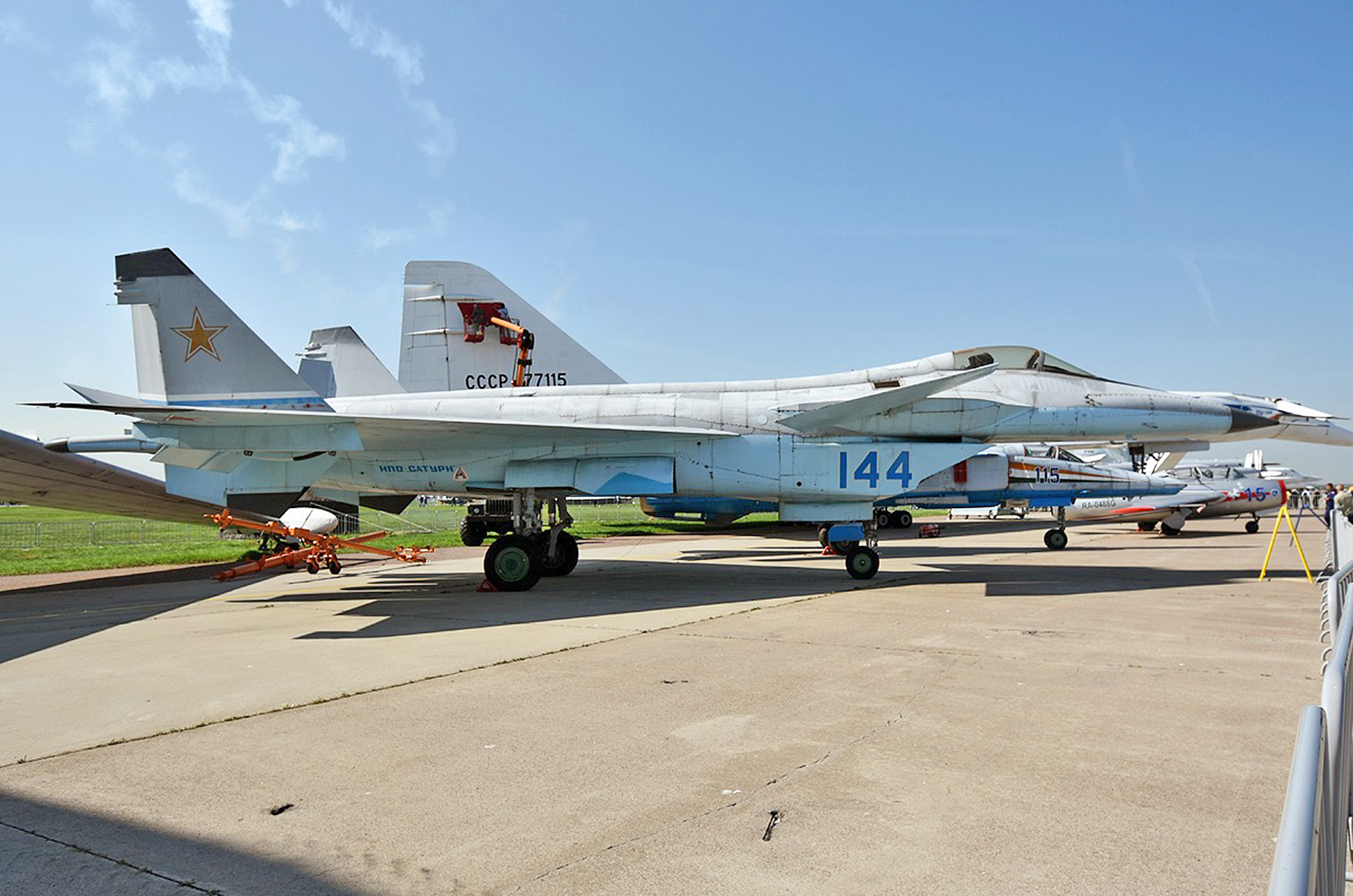
Despite its advanced technology, the MiG 1.44 never entered production. Its brief flight history highlighted the challenges of developing cutting-edge military aircraft during a time of political and economic instability.
9: Sukhoi Su-47 (S-37)

The Sukhoi Su-47 S-37 was another unique aircraft, featuring forward-swept wings that offered superior maneuverability and spin resistance. Known for its striking black paint scheme and Batman-like appearance, it captured public imagination. The S-37 served as a testbed for technologies later used in the Su-35 and Su-57 fighters.
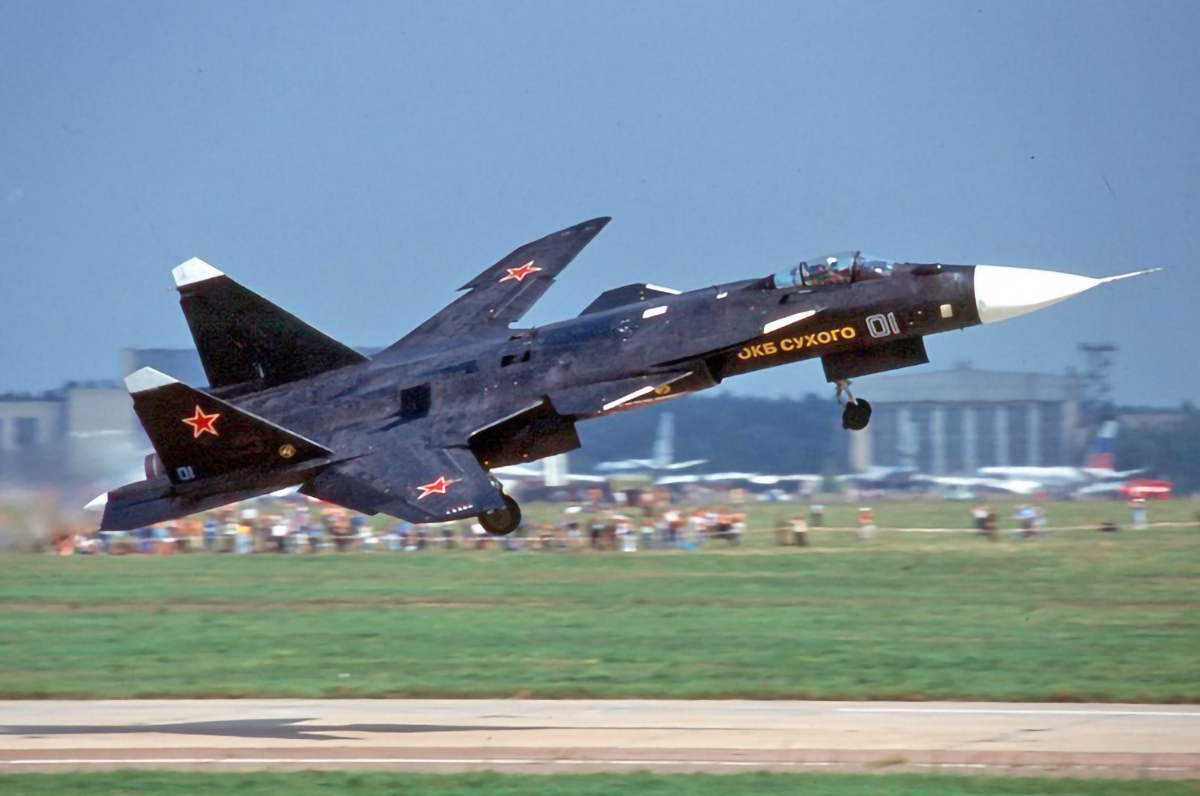
Although the S-37 never entered service, its design influenced future Sukhoi models. However, it was ultimately deemed too expensive and heavy to compete with Western fighters like the F-22 Raptor.
8: Martin-Baker MB3
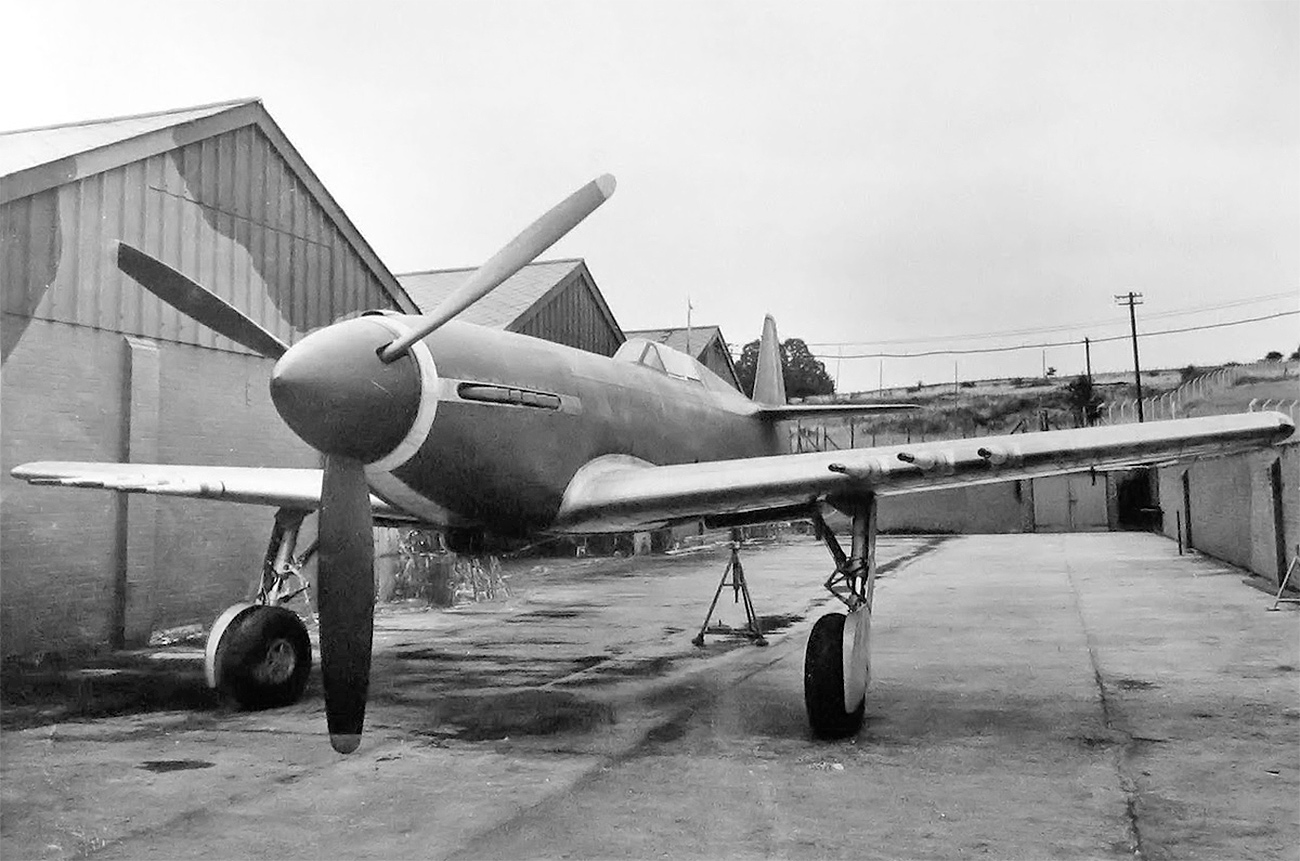
The Martin-Baker MB3 was a fast, heavily armed fighter developed during World War II. Designed by James Martin and Valentine Baker, it was notable for its simplicity and ease of maintenance. Despite its promising performance, the MB3 crashed during a test flight, leading to the development of ejection seats.
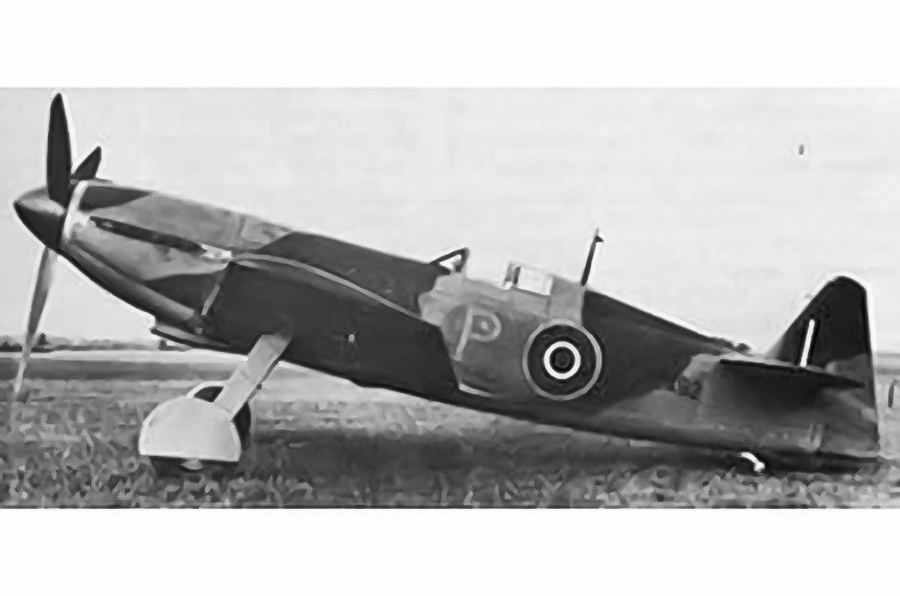
This tragedy motivated Martin to focus on ejection systems, which eventually led to the formation of Martin-Baker, a leader in ejection seat technology today.
7: Payens
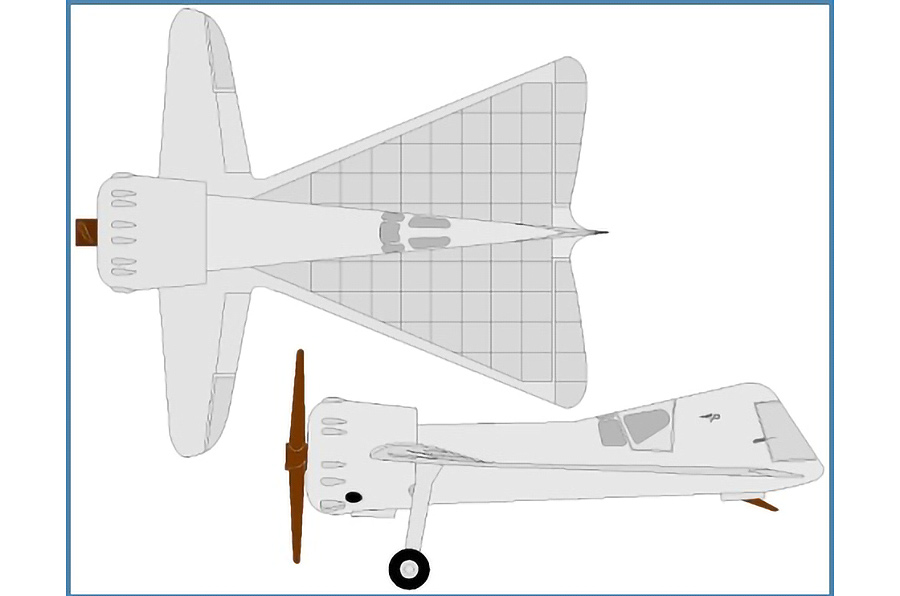
Nicolas Roland Payen was a French pioneer who introduced the delta wing concept. His PA-100 Fléchair was the first true delta-wing aircraft. Although underpowered, it laid the foundation for future designs such as the Mirage and modern Eurocanards.
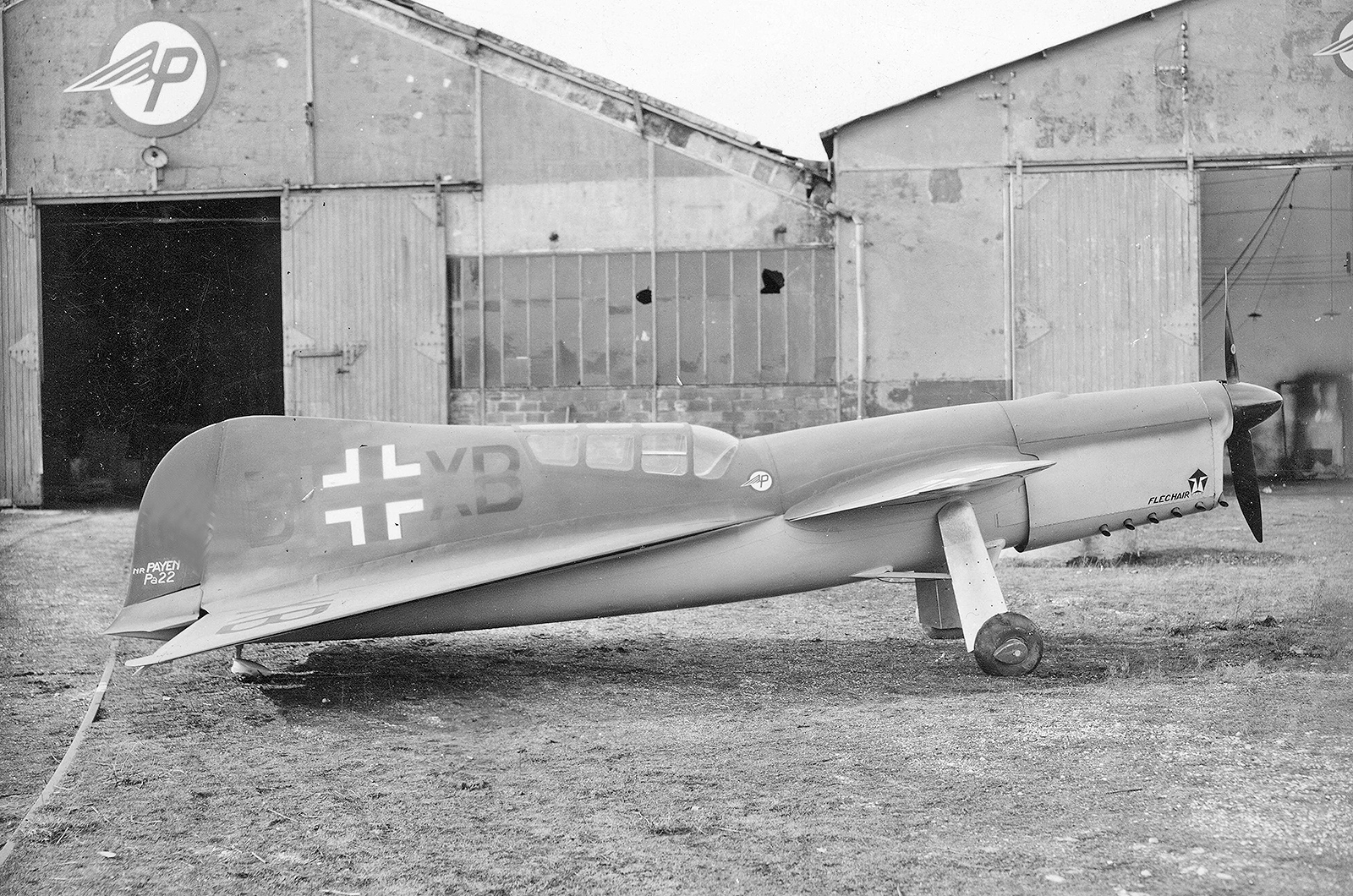
Payen continued to experiment with delta-wing configurations, including the PA-22, which was later modified and tested by the Germans during World War II. Unfortunately, the prototype was destroyed in an Allied bombing raid in 1943.
6: Hughes H-4 Hercules ‘Spruce Goose’
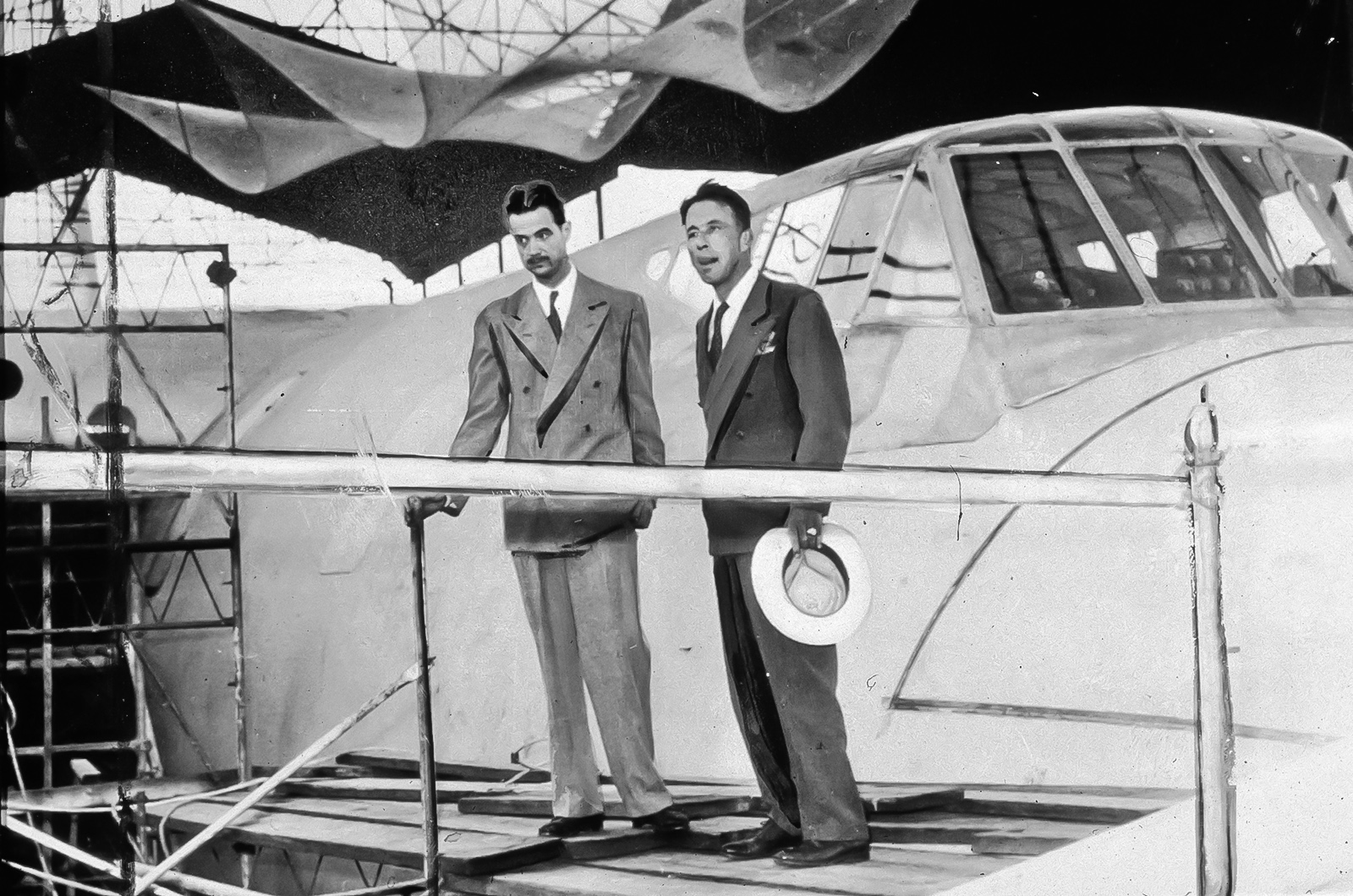
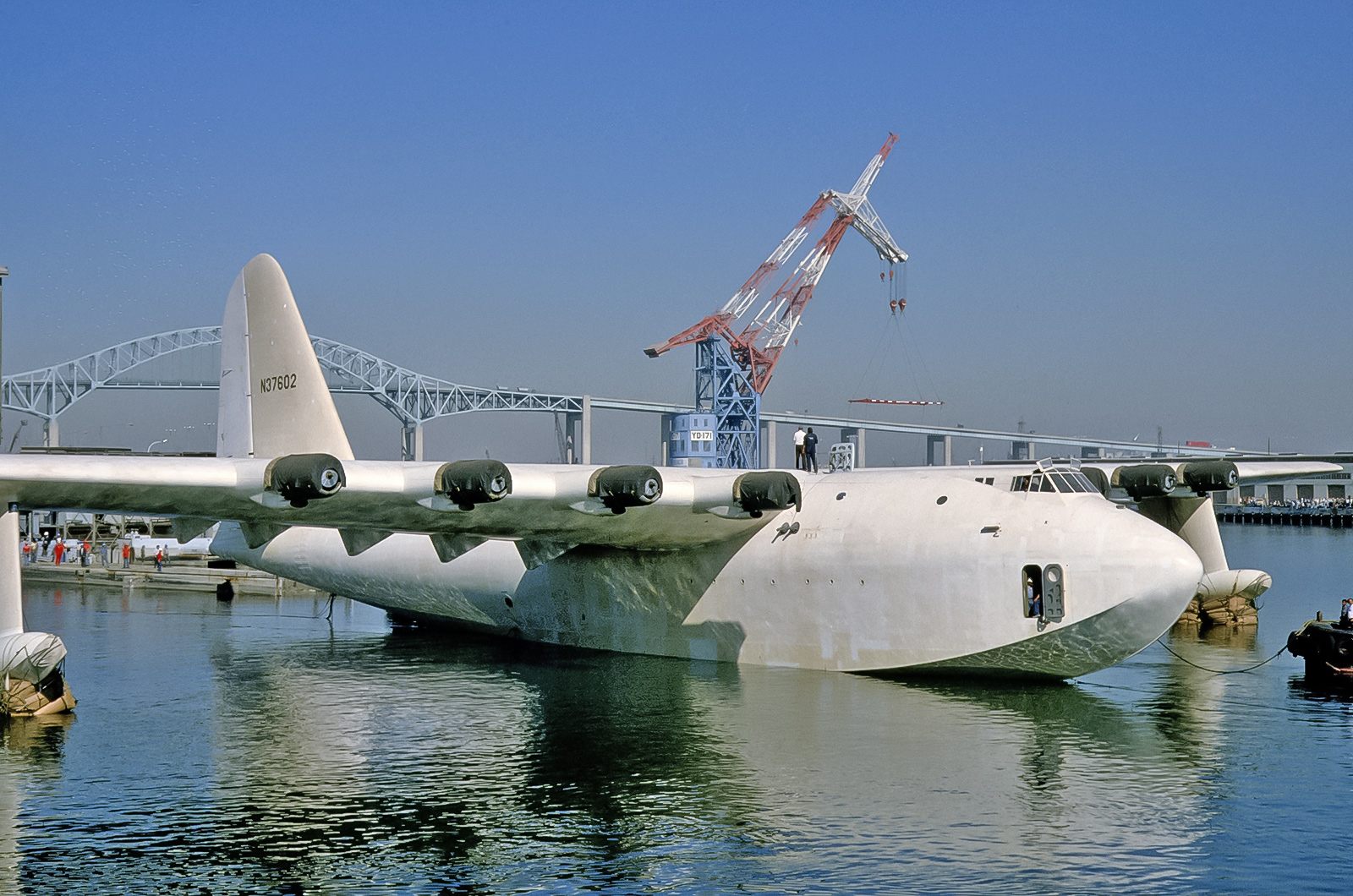
The Hughes H-4 Hercules, known as the “Spruce Goose,” was a massive wooden flying boat designed by Howard Hughes during World War II. Intended to transport troops across the Atlantic, it never saw operational use due to wartime delays.

Its only flight took place in 1947, lasting just a mile and reaching a height of 70 feet. Today, the Spruce Goose is preserved at the Evergreen Aviation Museum, symbolizing Hughes’ ambitious engineering vision.
5: Antonov An-225 Mriya
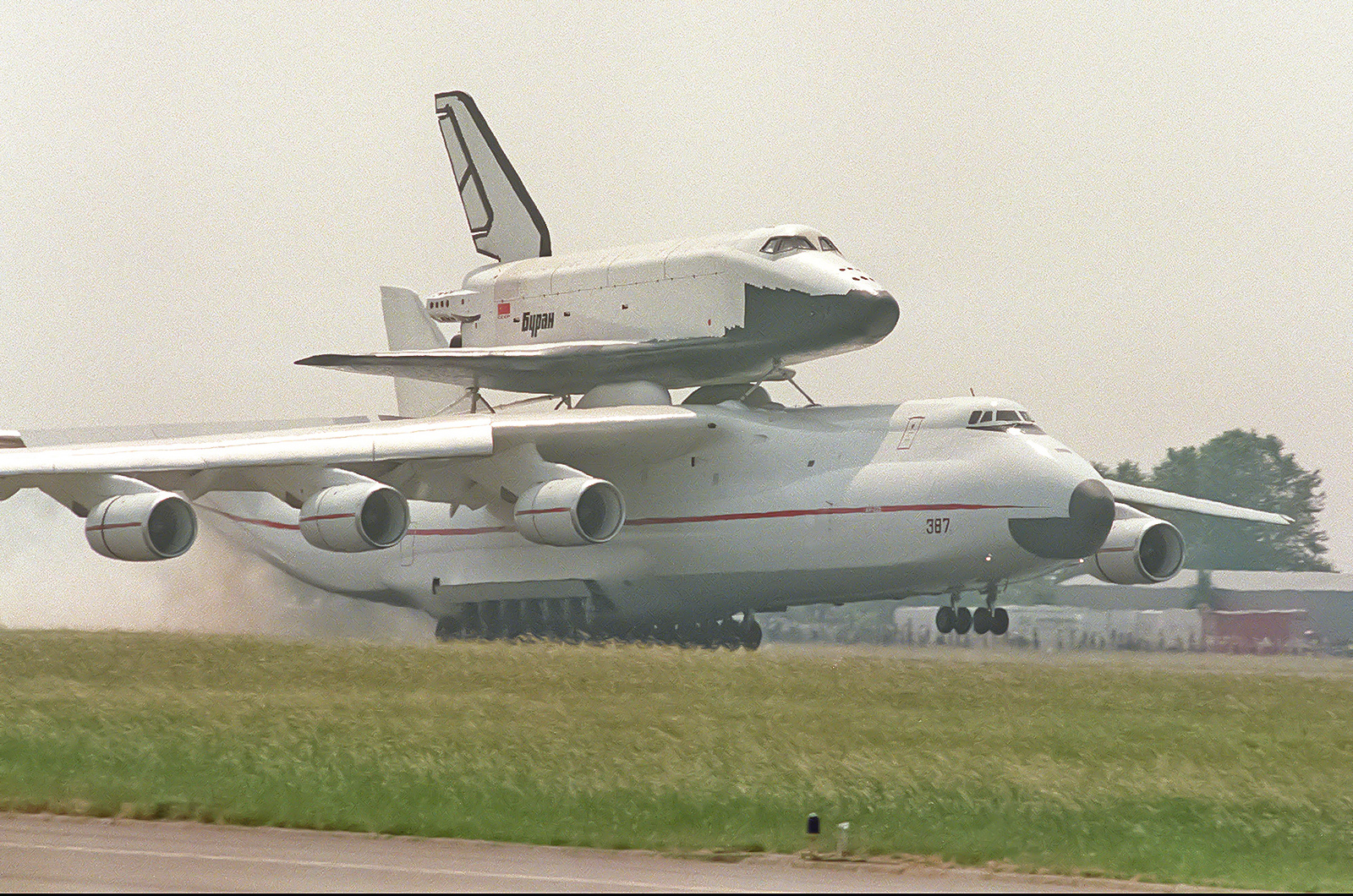
The Antonov An-225 Mriya was the largest aircraft ever built, designed to transport space shuttles and other massive cargo. It set numerous world records and could carry over 250,000 kg of cargo. Tragically, it was destroyed during the 2022 Battle of Antonov Airport.

Despite its destruction, the An-225 remains a symbol of aviation engineering. Efforts are underway to rebuild this iconic aircraft, highlighting its significance in the world of air transport.
4: Grumman F5F ‘Skyrocket’

The Grumman F5F ‘Skyrocket’ was a high-performance fighter with a unique design that made it a comic book star. It outperformed many contemporary fighters in climb rate and maneuverability, but its complexity and supply chain issues prevented it from entering service.
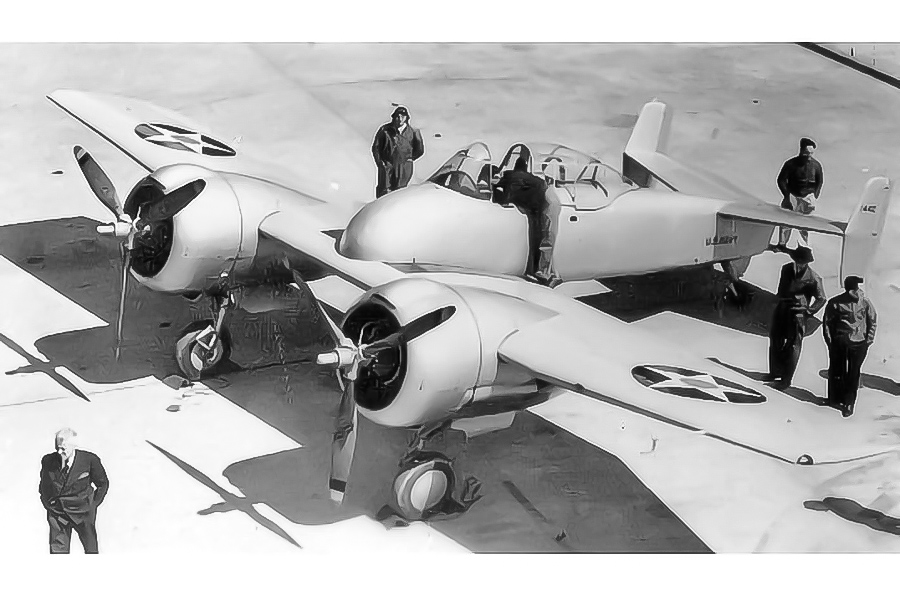
The F5F played a crucial role in the development of the F7F Tigercat, which did see service during World War II.
3: Mitsubishi X-2 Shinshin
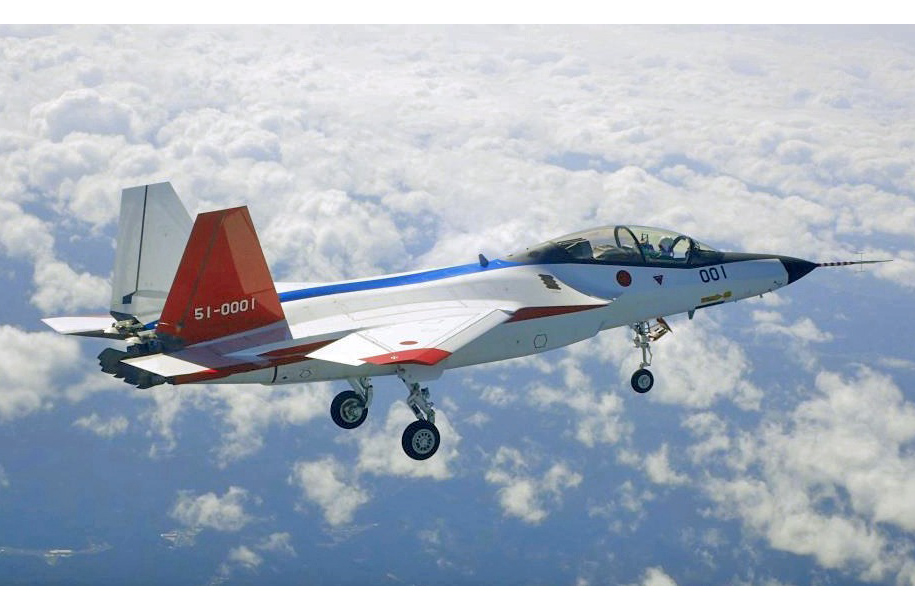
The Mitsubishi X-2 Shinshin was a stealth technology demonstrator aimed at advancing Japan’s fighter capabilities. It featured 3-D thrust vectoring and could reach Mach 2.25. Though it did not enter mass production, it contributed to the development of the Global Combat Air Programme.
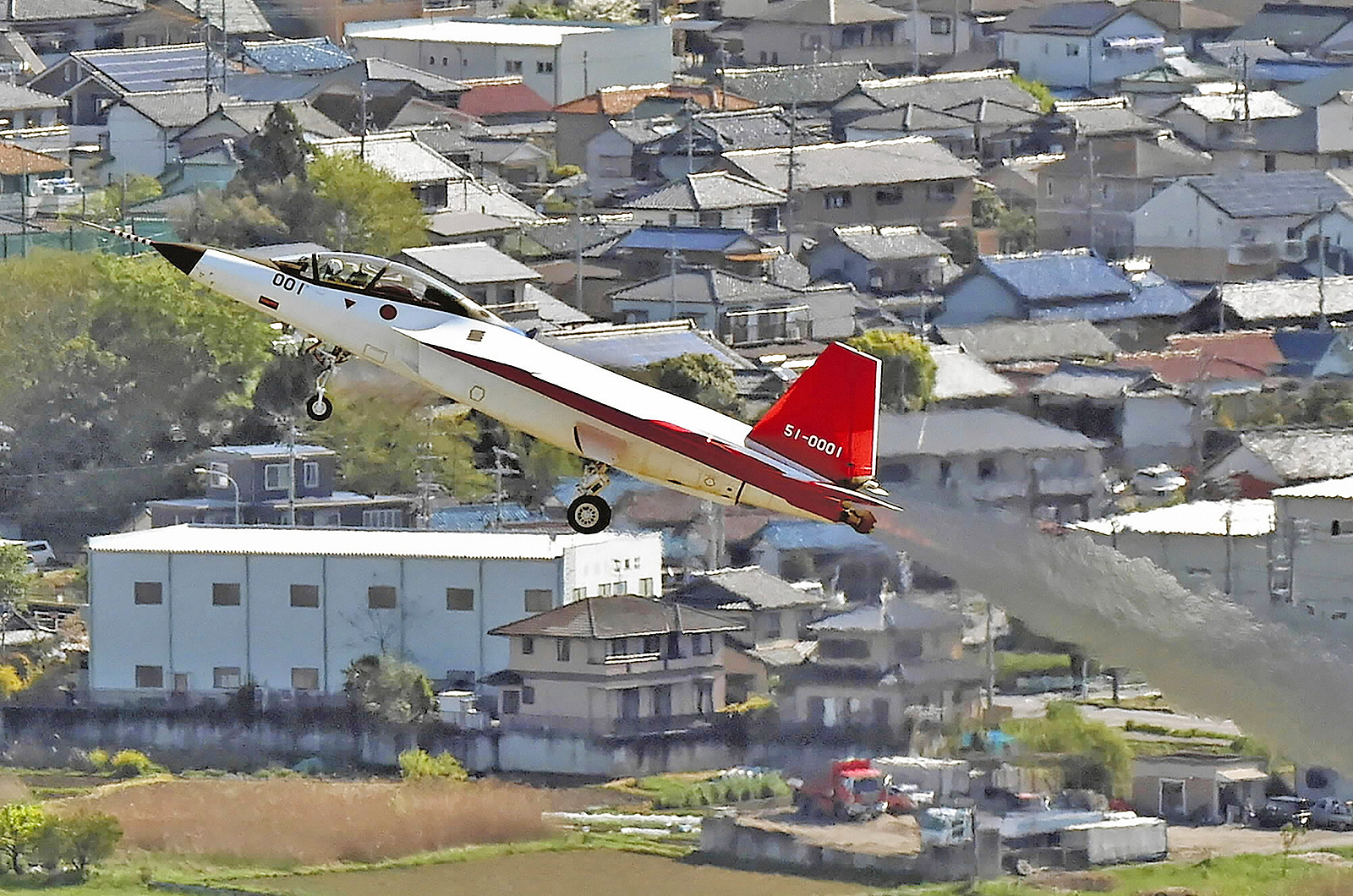
The X-2 cost approximately $330 million and was instrumental in testing advanced aerodynamic concepts. Its legacy continues through Japan’s ongoing aerospace initiatives.
2: Vought V-173
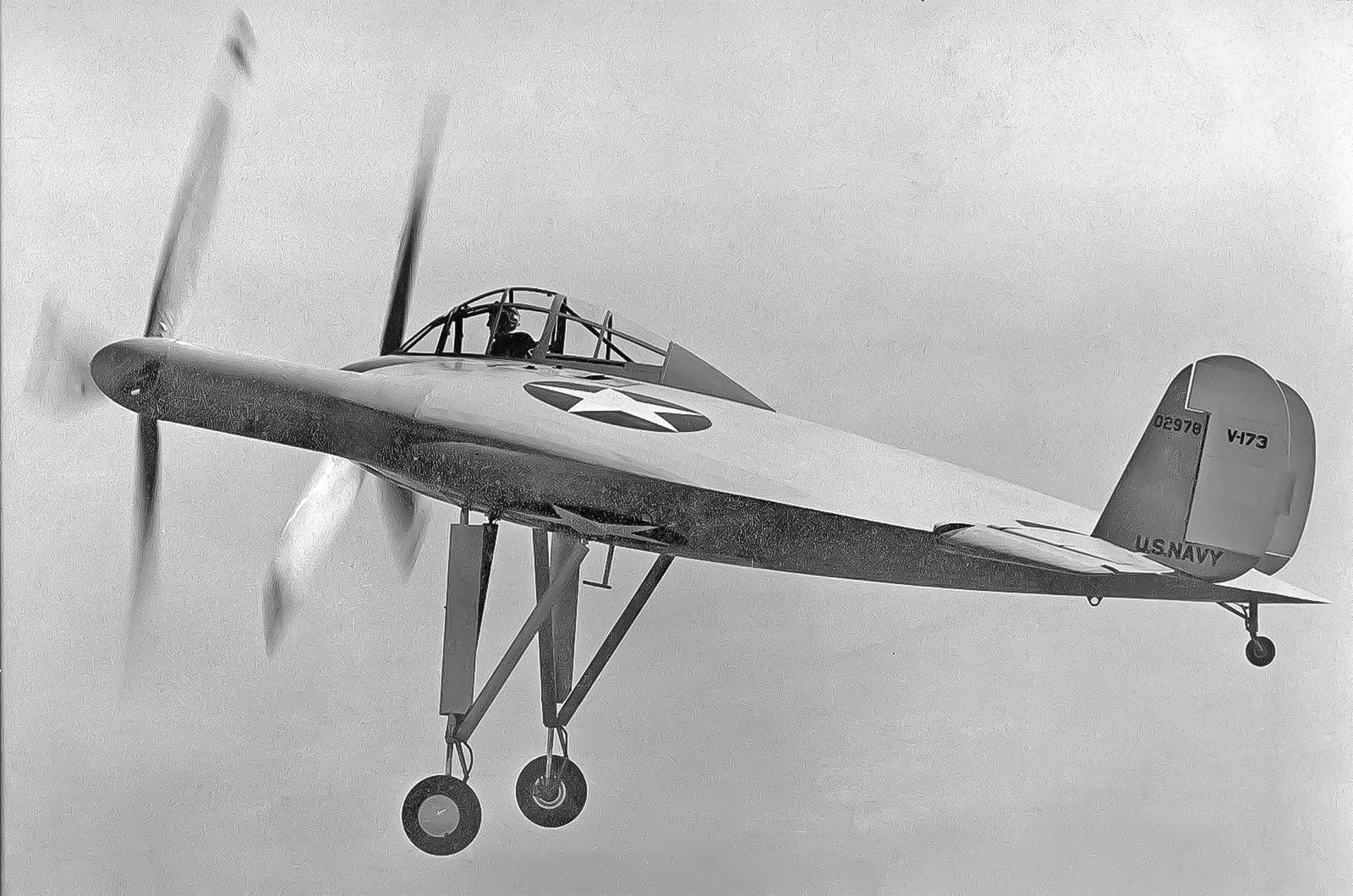
The Vought V-173, nicknamed the “Zimmer Skimmer,” was a radical discoidal aircraft designed by Charles H. Zimmerman. It was intended to be a VTOL aircraft capable of high-speed flight and hover capability.
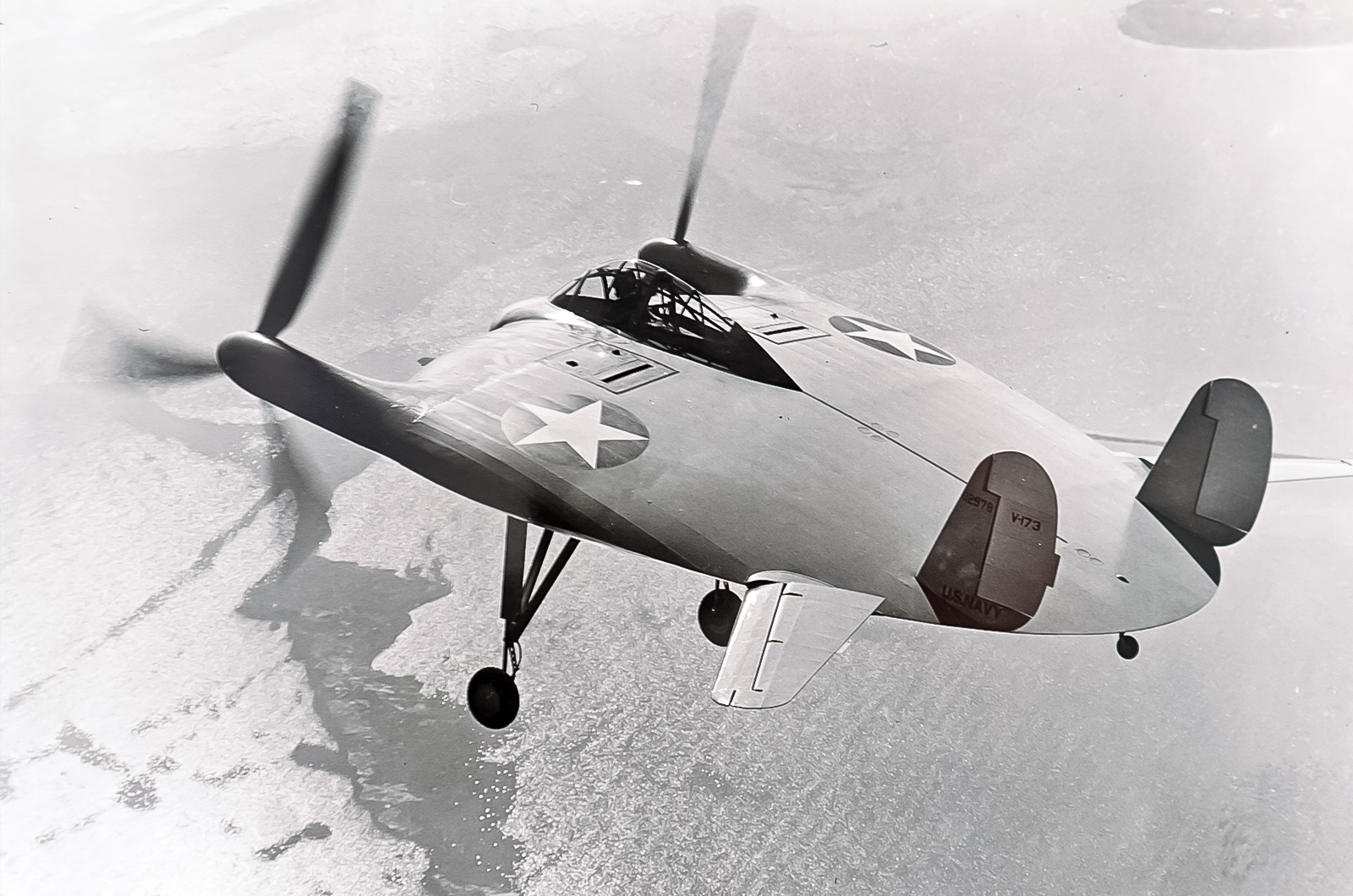
Though its propulsion system had issues, the V-173 demonstrated excellent handling. Its UFO-like appearance led to local sightings, and it even flew with Charles Lindbergh.
1: Scaled Composites Model 351 Stratolaunch/Roc
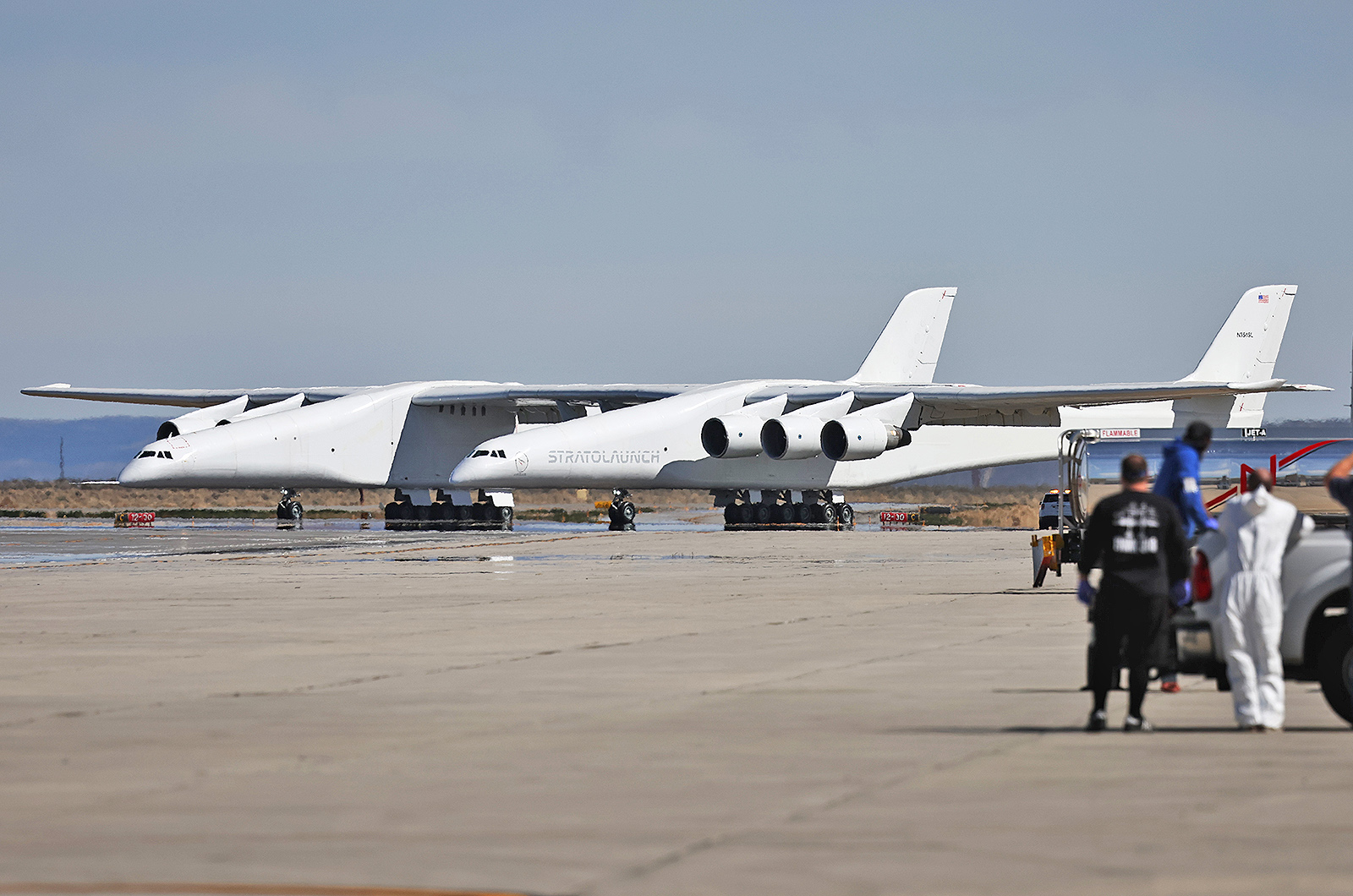
The Stratolaunch Roc is the largest aircraft in the world, with a wingspan of 117 meters. Designed to launch rockets and hypersonic vehicles, it uses two Pratt & Whitney PW4000 engines for maximum thrust.
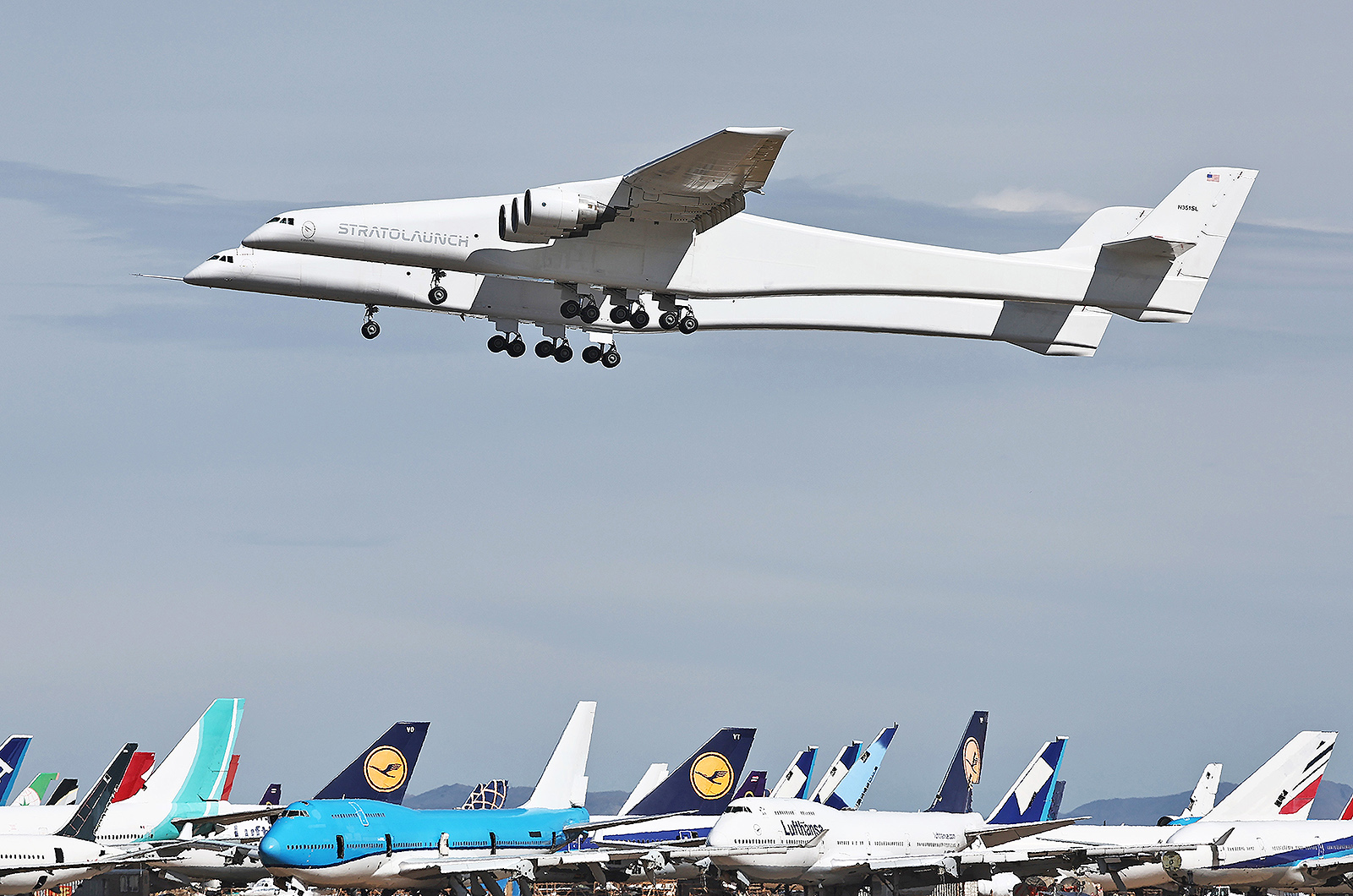
With a payload capacity of over 500,000 lbs, the Roc is not built for speed but for efficiency. Its dual-fuselage design allows for the launch of spacecraft from its centerline and below the wings.